







PDIC weighing options to get P107B back from treasury


The state-run Philippine Deposit Insurance Corp. (PDIC), which insures bank deposits, said it is studying options to recover the P107.23 billion it remitted to the National Treasury in compliance with the law that set the 2024 national budget.
According to the PDIC head, the transfer was later declared void by the Supreme Court. This view, however, is not shared by both the current and former secretaries of the Department of Finance (DOF).
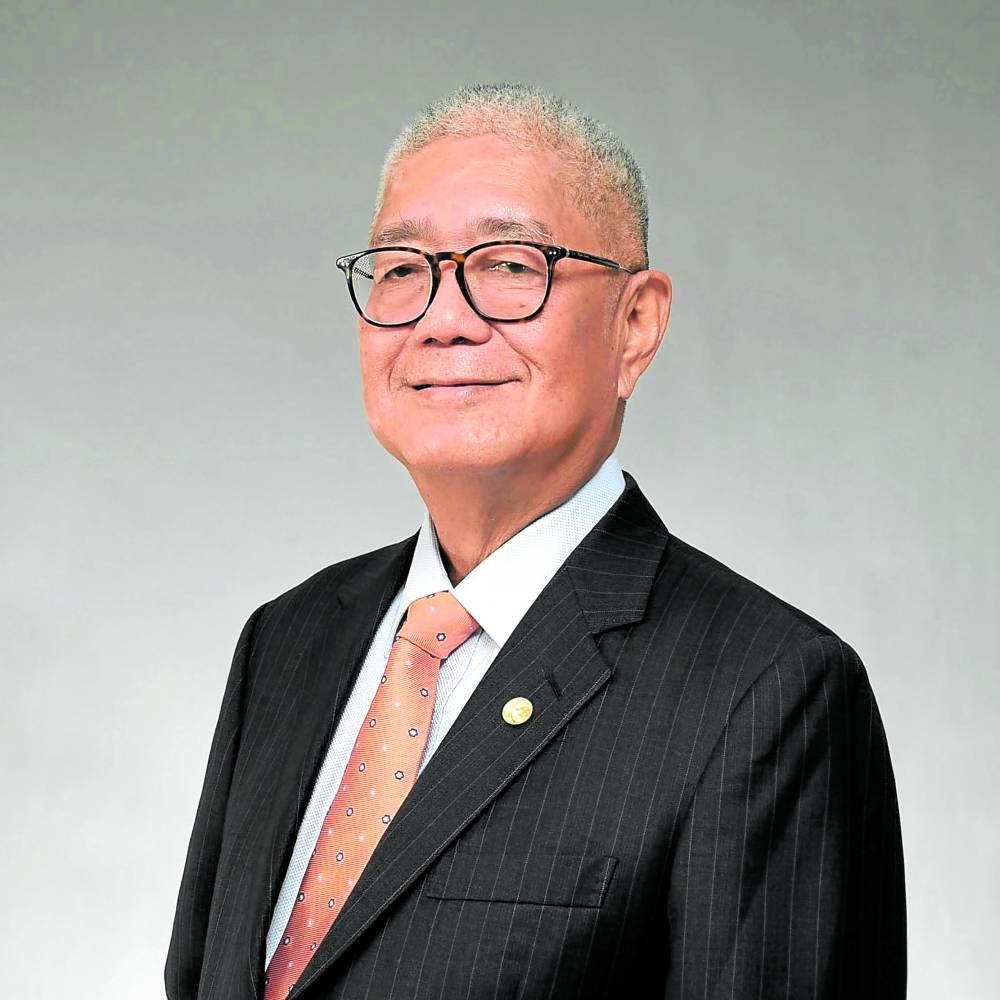
“In light of the Supreme Court decision, the lawyers are going back and looking at these issues again and see whether the PDIC can get the money back,” Bangko Sentral ng Pilipinas Governor and PDIC chair Eli Remolona Jr. told a conference on Tuesday.
“So, it’s under consideration,” Remolona added.
The amount—taken from the PDIC’s Deposit Insurance Fund—was remitted to the Treasury in January 2025 in compliance with the General Appropriations Act (GAA) of 2024.
As a result, PDIC’s total assets fell 18.1 percent from a year earlier to P278 billion in 2024, according to its annual report.
Remolona said an analysis showed that PDIC’s buffer funds remained sufficient despite the remittance, even enough to raise the maximum deposit insurance coverage to P1 million per depositor per bank.
The remittance was triggered by a special provision in the 2024 budget requiring government-owned and -controlled corporations to turn over idle funds to the National Treasury to fund unprogrammed appropriations.
The same GAA provision also underpinned what became the controversial transfer of P60 billion in “excess funds” from the Philippine Health Insurance Corp. (PhilHealth), the agency tasked with implementing the country’s universal health care program to reduce the public’s out-of-pocket medical expenses.
In a decision issued in December last year, the Supreme Court ruled that both the special provision in the 2024 national budget regarding the remittance and the DOF circular enforcing it were void. The high court saw them as being issued and implemented “with grave abuse of discretion amounting to lack or excess of jurisdiction.”
Acting on petitions questioning the remittance of PhilHealth funds, the court said that while the state may adopt measures to improve the economy, such measures must not contravene what the Constitution itself guarantees: affordable health care for all Filipinos, especially the underprivileged.
In a statement, political coalition 1Sambayan, one of the petitioners, called on Finance Secretary Frederick Go and National Treasurer Sharon Almanza to return the money remitted by the PDIC, saying the amount “does not belong to the government.”
“It is held in trust for bank depositors, who are the fund’s beneficial owners. Any diversion of this money violates both statutory and constitutional limits,” the group said. “The Supreme Court has now clarified the constitutional path.”
But both Go and predecessor, now Executive Secretary Ralph Recto, are not keen on returning the remitted funds unless directly compelled by the Supreme Court.

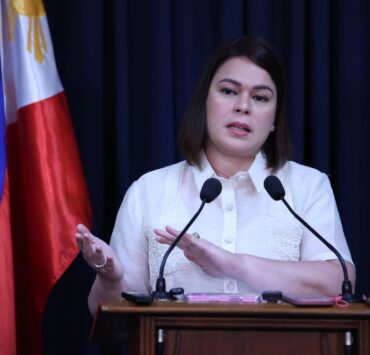
“In my interpretation, the order of the Supreme Court concerns only the return of the PhilHealth’s remitted funds, and not of the PDIC’s,” Recto said in a press briefing in Malacañang on Monday.
Recto was the finance chief at the time the remittances were ordered by the 2024 GAA and implemented by the DOF.
Go backed Recto’s pronouncement, noting that the dispositive portion of the Supreme Court ruling only talked about PhilHealth.
In December, the 15 SC justices unanimously ordered the return of the excess PhilHealth funds amounting to P60 billion, and permanently prohibited the transfer of the remaining P29.9 billion fund balance to the Bureau of Treasury.
The high court, by a majority vote, also declared void Special Provision 1(d), Chapter XLIII of the 2024 GAA, and DOF Circular No. 003-2024.
In September, or two months before the SC ruling, President Marcos already ordered the DOF and the national treasury to return the P60 billion that Philhealth had remitted.
Congress restored the P60 billion to PhilHealth through an item in the 2026 GAA, which he signed on Monday.