









PH joins censure of China’s radar targeting of Japanese plane

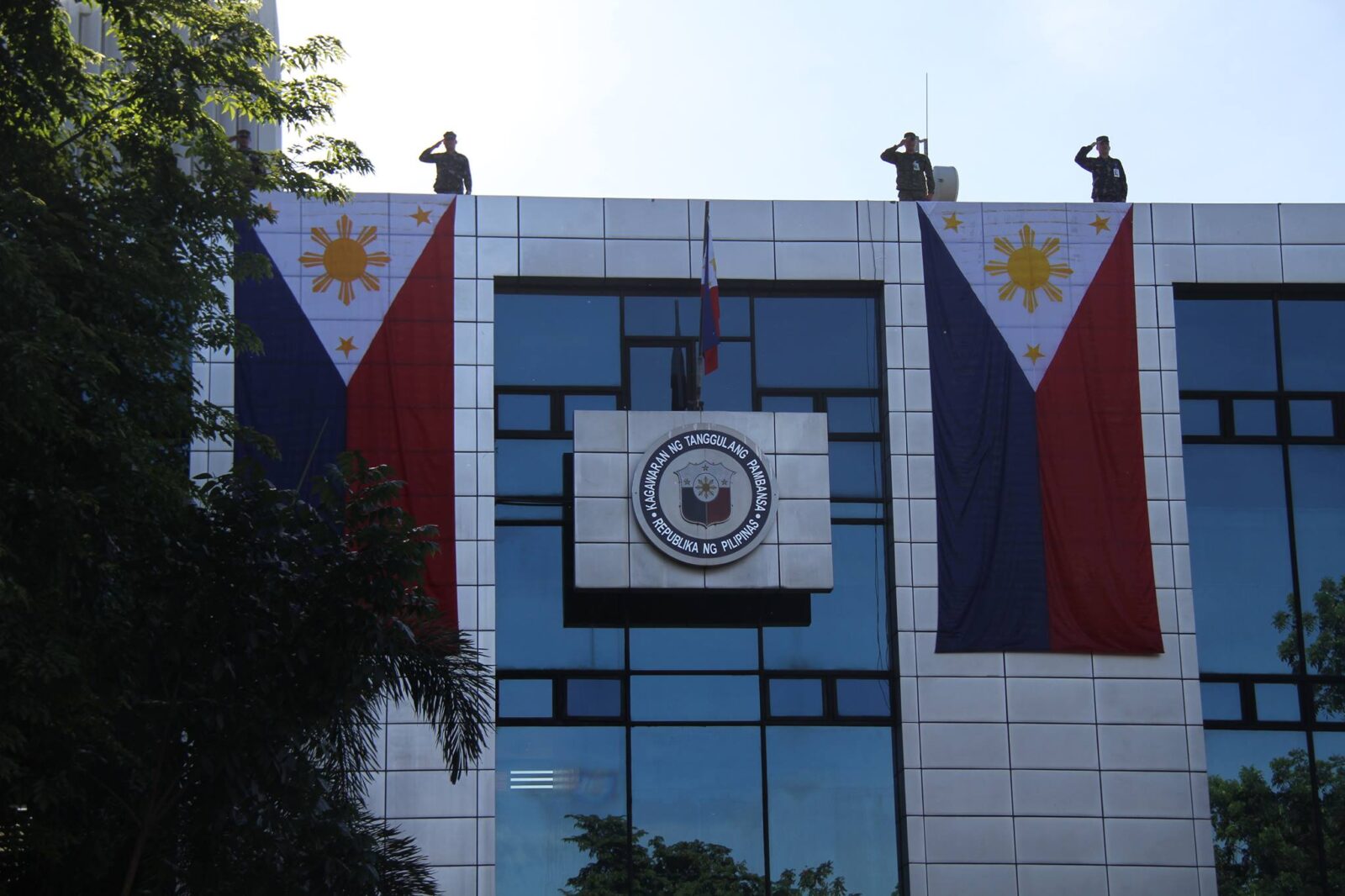
The Philippines has warned that Chinese fighter jets executing radar locks on Japanese military aircraft over international waters near Okinawa recently were a dangerous and escalatory act that threatens regional stability and raises the risk of miscalculation in the Indo-Pacific.
The Department of National Defense (DND) on Friday said the Dec. 6 incident involving Japan Air Self-Defense Force (JASDF) aircraft reflected a pattern of unsafe behavior that undermines established norms governing lawful military operations in international airspace.
Fighter jet radar systems are designed to search the surrounding area and collect data, such as a target’s distance and velocity for the aircraft’s fire control system. Radar locks can be considered a hostile act, as they indicate weapons are being prepared for firing.
In a statement, Defense Assistant Secretary and DND spokesperson Arsenio Andolong said the use of radar against an aircraft conducting legitimate operations had “no place” in international airspace, highlighting the urgency of upholding a rules-based order in the region.
“The Philippines stands with Japan and all like-minded partners who choose transparency, restraint, and adherence to international law over intimidation and provocation,” he said.
According to Japan’s Ministry of Defense, Chinese fighter aircraft launched from the aircraft carrier Liaoning repeatedly illuminated JASDF F-15 jets while they were flying over international waters southeast of Okinawa.
Beijing rejects account
The ministry called the radar-lock a dangerous act that went beyond what was necessary for safe flight, lodged a strong protest with China, and urged Beijing to prevent a recurrence. No damage or injuries were reported.
China’s Foreign Ministry rejected Japan’s account, saying the accusation was false and part of an effort to stoke tensions.
Beijing said its military exercises complied with international law and urged Tokyo to stop what it called “harassment” of China’s training. It also lodged counterprotests in Beijing and Tokyo, rejecting Japan’s protest “on the spot.”
The incident occurred a month after Japan’s Prime Minister Sanae Takaichi’s remarks on Taiwan stirred tensions between Tokyo and Beijing.
Takaichi said in early November that Japan’s military could get involved if China were to take action against Taiwan, the self-governing island that Beijing claims as its own.
Takaichi later called the radar lock-on “extremely disappointing.”
Defense chiefs confer
“We will act calmly and resolutely,” she said, vowing to do the utmost in carrying out surveillance operations around Japanese waters and airspace, while closely watching Chinese military activity around Japan.

On Friday, Japanese Defense Minister Shinjiro Koizumi said he and his US counterpart, Pete Hegseth, shared serious concern over rising tension in the region after Takaichi’s remarks on Taiwan and the radar lock-on incident.
The defense chiefs agreed during a 40-minute phone conversation that Japan and the United States would maintain close communication to calm the situation.
Koizumi told reporters that the biggest problem in the radar lock-on incident was that a Chinese J-15 aircraft locked its radar on an JASDF F-15 for about 30 minutes on one of the two occasions.
Koizumi reiterated that China did not provide Japan with specific and appropriate information, including notice to air missions or navigational warnings, such as the area in which the Chinese military’s flight training would be conducted.
Flares also fired
In a related incident, Chinese forces on Zamora (Subi) Reef, which they have turned into an artificial island in the South China Sea, fired three flares toward a vessel of the Bureau of Fisheries and Aquatic Resources conducting routine patrol over the area last week, according to the Philippine Coast Guard.
Chinese forces fire flares to warn planes to move away from what they consider their airspace over the disputed waters. —WITH A REPORT FROM AP