





PH mining sector welcomes ‘critical minerals’ accord with US

The country’s mining sector on Friday welcomed an agreement between Manila and Washington on mineral development, saying it provides a fresh opportunity to attract investments and promote technology transfer.
The US Department of State has entered into memorandums of understanding (MOU) with the Philippines and 10 other countries, following the Critical Minerals Ministerial conference hosted by Washington on Jan. 29. The MOU with Manila was signed on Feb. 4 by Environment Secretary Raphael Lotilla and Jacob Helberg, US undersecretary of state for economic affairs.
The US Embassy in Manila said “This partnership strengthens supply chains and supports American interests and jobs.”
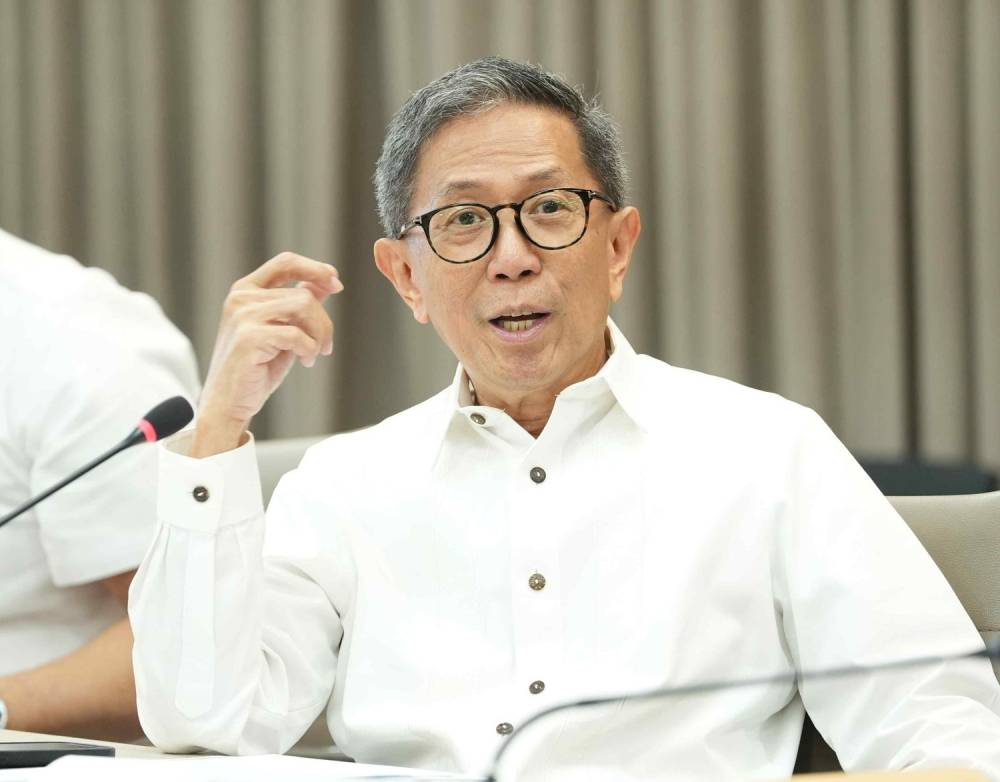
Lawyer Michael Toledo, chair of the Chamber of Mines of the Philippines (COMP), said “This partnership represents a positive step toward strengthening responsible mining, advancing sustainable resource development, and enhancing the country’s role in securing critical minerals essential for the global energy transition.”
PH ‘securing its place’
“We see this as an opportunity to attract investments, promote technology transfer, and reinforce high environmental and governance standards while supporting economic growth and local communities,” Toledo added.
Lotilla said the agreement serves to “advanc[e]… critical minerals processing at home.”
With the MOU, “the Philippines takes a significant step toward building a resilient, innovation-driven economy and securing its place in the future of global industry.”
“More importantly, this step forms part of our overall commitment to responsible mining by upholding environmental standards and protecting the well-being of local communities,” Lotilla said.
US eyes ‘global supply’
In his opening remarks at the Jan. 29 conference, US Secretary of State Marco Rubio said “I don’t need to explain to anybody here that critical minerals are vital to the devices that we use every single day.”
“They power our infrastructure, our industry, and our national defense, which is something that’s not talked about enough but it’s a key part of that. And so our goal is to have a global market that’s secure, a global supply that’s enduring and is available to everyone, every nation, at an affordable price,” he added.
He also said the administration of US President Donald Trump seeks to establish “a concrete mechanism to return the global critical minerals market to a healthier, more competitive state.”
Rubio said this could be made possible through “a preferential trade zone for critical minerals, protected from external disruptions through enforceable price floors.”

‘Pax Silica’
The Critical Minerals Ministerial is part of Washington’s efforts to expand partnerships under “Pax Silica,” an initiative launched in December last year together with Britain, Israel, Japan, South Korea, Singapore and Australia.
For the United States, these countries are major contributors to the global supply chain of silica—which is widely used in the manufacturing of cars, smartphones and artificial intelligence (AI) technologies.
China is currently the top producer of the chemical compound, according to international mining consultancies Statista and SFA.
The Philippines is not a leading global producer of silica and silica sand but a significant supplier in Southeast Asia of these components, which are vital to the country’s construction and electronics sectors.
In a news conference last December, Helberg said the United States was in talks with the Philippines and more potential partners for Pax Silica, as Washington aimed to “win the AI race.”