









PH protests China water cannon attack

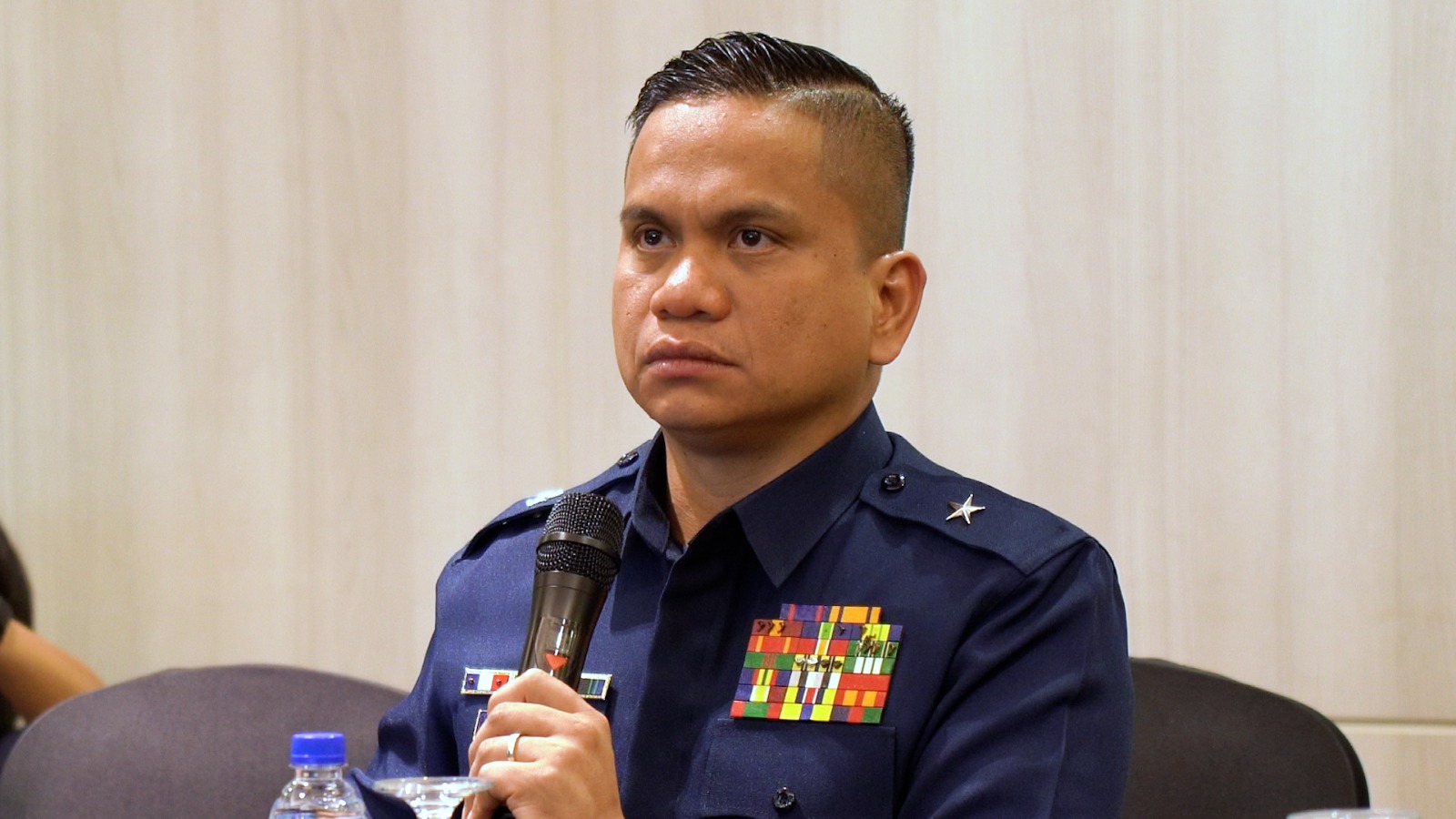
The Department of Foreign Affairs (DFA) on Monday filed a diplomatic protest against China over the water cannon attack by Chinese forces on Filipino fishermen at Escoda (Sabina) Shoal in the West Philippine Sea on Dec. 12.
In a briefing on Monday, Palace press officer Claire Castro said President Marcos directed the Philippine Coast Guard to prioritize the safety of all Filipinos, especially fisherfolk conducting their livelihood in the country’s waters.
“The President also ordered the deployment of personnel in strategic locations to monitor the situation and provide protection to our fishermen,” Castro said.
Mr. Marcos also reaffirmed his administration’s support for the acquisition of additional coast guard vessels so that “more assets can be deployed to safeguard our interests and the interests of our people.”
“This is the time for every Filipino to unite, to uphold the interests of our nation, and to uphold the interests of our fellow Filipinos,” Castro added.
Foreign Secretary Ma. Theresa Lazaro confirmed that Manila had submitted a demarche to the Chinese Embassy on Monday regarding the latest attack by the China Coast Guard (CCG).
Endangering lives
Commodore Jay Tarriela, the Philippine Coast Guard (PCG) spokesperson for the West Philippine Sea, said this was not the first time that Filipino fishermen were targeted by water cannons, but it was the first time their boats were hit.
Two fishing boats were also damaged in the three-hour attack, he added.
“These acts placed the lives of these Filipino artisanal fishers at greater risk, adding further danger to the already difficult sea conditions,” the National Maritime Council (NMC) said in a statement.
The Philippine government responded by deploying PCG vessels BRP Malapascua and BRP Cape Engaño to assist and protect the fishermen.
However, as these PCG vessels were carrying out their humanitarian and safety mission, the NMC reported that they were “repeatedly subjected to dangerous maneuvers and close-range approaches by multiple CCG ships, including a particularly hazardous nighttime incident.”

Chinese foreign ministry spokesperson Guo Jiakun said on Monday that the Philippines had assembled a large number of vessels “in an organized and premeditated manner to provoke trouble” in waters near the shoal.
Beijing also accused the Filipino vessels of “repeatedly carrying out dangerous maneuvers.” It also said the Filipino fishermen allegedly threatened the armed CCG officers with knives.
“The measures taken by China were necessary to safeguard its territorial sovereignty and maritime rights and interests, were reasonable and lawful, professional and restrained, and beyond reproach,” he said.
‘Deeply troubling’
The NMC, however, rejected these claims, especially the statement of CCG spokesperson Liu Dejun saying that they only “took necessary control measures” to ward off the Filipino vessels. It called these Chinese remarks “deeply troubling.”
“Any measure that involves water cannons, dangerous maneuvers, and actions that cause injury and damage to small, wooden civilian fishing boats cannot be justified, particularly when undertaken against subsistence fishers peacefully fishing in the Philippines’ EEZ,” it noted.