




PH to cooperate with US on forced labor probe

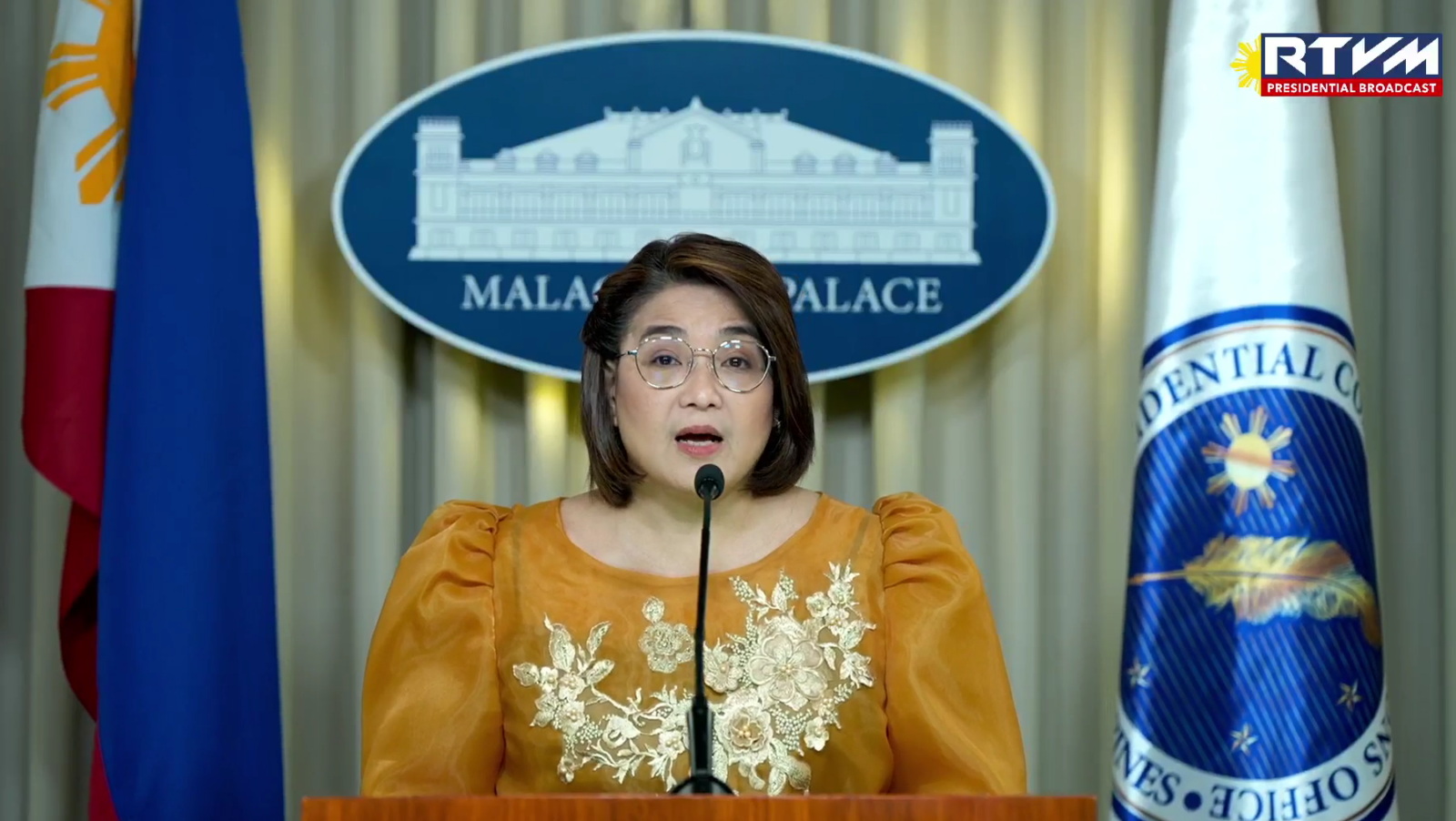
The Philippines will cooperate with the United States’ announced investigation of Manila’s alleged failure to ban the import of goods produced through forced labor, Malacañang said on Saturday.
This came after the US trade representative (USTR) launched a probe under Section 301 (b) of the US Trade Act of 1974 to determine whether the Philippines and 60 other trading partners have effectively banned the import of goods produced using forced labor.
US Trade Representative Jamieson Greer said the investigations will assess whether these 60 countries have taken sufficient steps to prohibit forced labor in their supply chains and how their inaction impacts American workers and businesses.
The probe is seen as part of the efforts of US President Donald Trump to pressure even its allies after the US Supreme Court invalidated his earlier attempts to impose stiffer tariffs.
In the United States, forced labor refers to situations where individuals are compelled to work through force, fraud or coercion, often exploited in industries, such as domestic work, agriculture, construction, restaurants and hospitality.
Aside from the Philippines, the US government listed China, India, Japan, South Korea, Taiwan, Vietnam, Thailand, Indonesia, Malaysia, Bangladesh, Cambodia, Singapore, Sri Lanka, Pakistan and Hong Kong.
In Europe, USTR investigations will also take place in the United Kingdom, France, Germany, Italy, Spain, the Netherlands, Sweden, Norway, Switzerland and Turkiye.
Global concern
In the Americas, the list includes Canada, Mexico, Brazil, Argentina, Chile, Colombia, Peru, Ecuador, Costa Rica, Guatemala, Honduras, El Salvador, Nicaragua, Dominican Republic and Venezuela.
In Western Asia and Africa, the list also includes Israel, Saudi Arabia, Qatar, United Arab Emirates, Egypt, Algeria, Angola, Nigeria, Morocco, Jordan, Bahrain, Kuwait, Oman, Libya and Tunisia, among others.
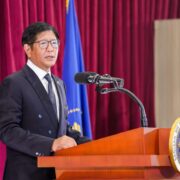
“We will closely monitor and actively participate in the investigation to address the concerns of the United States,” said Palace press officer Claire Castro.
The Trump administration aims to determine whether the acts, policies or practices of the countries under probe fail to enforce prohibitions on imports produced with forced labor and provide an “artificial cost advantage” to firms using forced labor, thus impacting American businesses.
Section 301 of the Trade Act of 1974 enables the USTR to implement measures, including tariffs, import restrictions or binding agreements, to stop unfair practices.
The USTR has requested official consultations with the governments under review.