






PNP probes sudden closure of gas stations amid price hikes

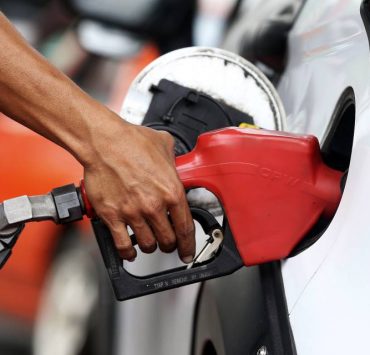
In an effort to protect consumers from hoarding and profiteering, the Philippine National Police has stepped up its monitoring of gas stations that abruptly stopped operating as fuel prices continue to surge.
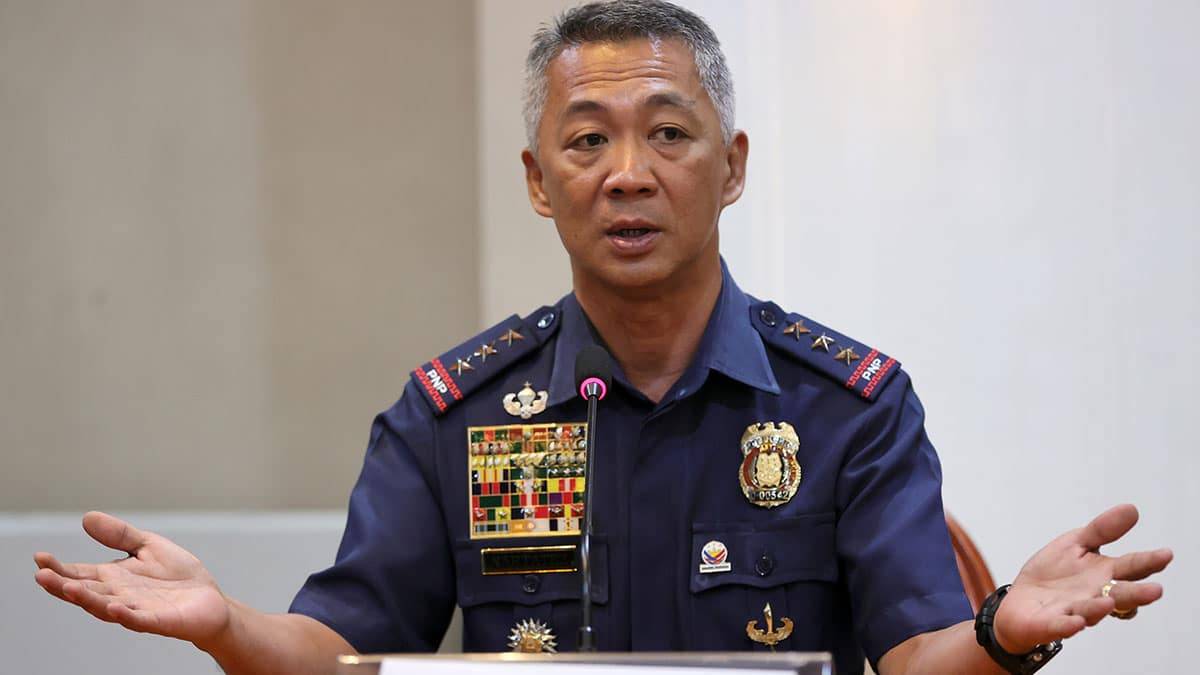
“We in the PNP fully understand the situation that gas station owners face amid the challenges brought by the situation in the Middle East. But if the sudden closure is for [an] illegal scheme, then expect police action on this matter,” PNP chief Jose Melencio Nartatez Jr. said in a statement on Sunday.
Nartatez ordered police chiefs to coordinate with local government units (LGUs) and the Department of Energy (DOE) to investigate the sudden shutdown of some gas stations without prior notice.
“We are also asking for help from our countrymen to immediately inform the authorities if you have information about gas stations that have closed or stopped operations. We will immediately go to them and investigate,” he said.
Help desks open
Nartatez said help desks have been opened nationwide to make it easier for the public to report complaints about gas stations, with all reports to undergo careful review.
“We assure the public that the PNP has contingencies in place to ensure peace and order is not affected by the effects of the conflict in Iran or the rising fuel prices,” he said.
Earlier, Malacañang warned those taking advantage of the escalating Middle East conflict that they face legal action.
Industry forecasts point to another round of significant fuel price increases this week, with diesel expected to rise by P19 to P22 per liter and gasoline by P12 to P16 per liter.
Strong presence
Nartatez said police officers will maintain a strong presence at key fuel supply points to ensure that rules are followed and to prevent service disruptions to motorists.
Police monitoring teams have also been assigned to check those suspected of hoarding fuel or raising prices unfairly.
“Our goal is to protect the people against unfair practices amid rising oil prices,” he said.
Since March 6, the DOE, through its Oil Industry Management Bureau and field offices nationwide, has been conducting inspections of various establishments together with the PNP and the LGUs.

Critical waterway
So far, 71 retail outlets were found to have raised prices beyond the previously announced adjustments in violation of DOE directives, leading to the issuance of 55 show-cause orders.
Aside from runaway fuel prices, fears about a potential oil shortage are growing as the conflict in the Middle East continues to disrupt maritime traffic through the Strait of Hormuz, a vital route for 20 percent of the world’s oil supply (See related story in World, Page A9.)
According to estimates from the US Energy Information Administration, roughly 20 million barrels of oil per day passed through the Strait of Hormuz in 2025.
Based on data from the DOE, 98 percent of the country’s crude oil imports originate from the Middle East, with the remaining two percent sourced from nearby countries.
President Marcos said earlier the government has started talking to other countries beyond its usual fuel suppliers to ensure a steady supply for the country.
He also declared as urgent a bill granting him emergency powers to reduce the fuel excise to soften the impact of oil price hikes.