







Population body: ‘Rethink’ demographic sweet spot

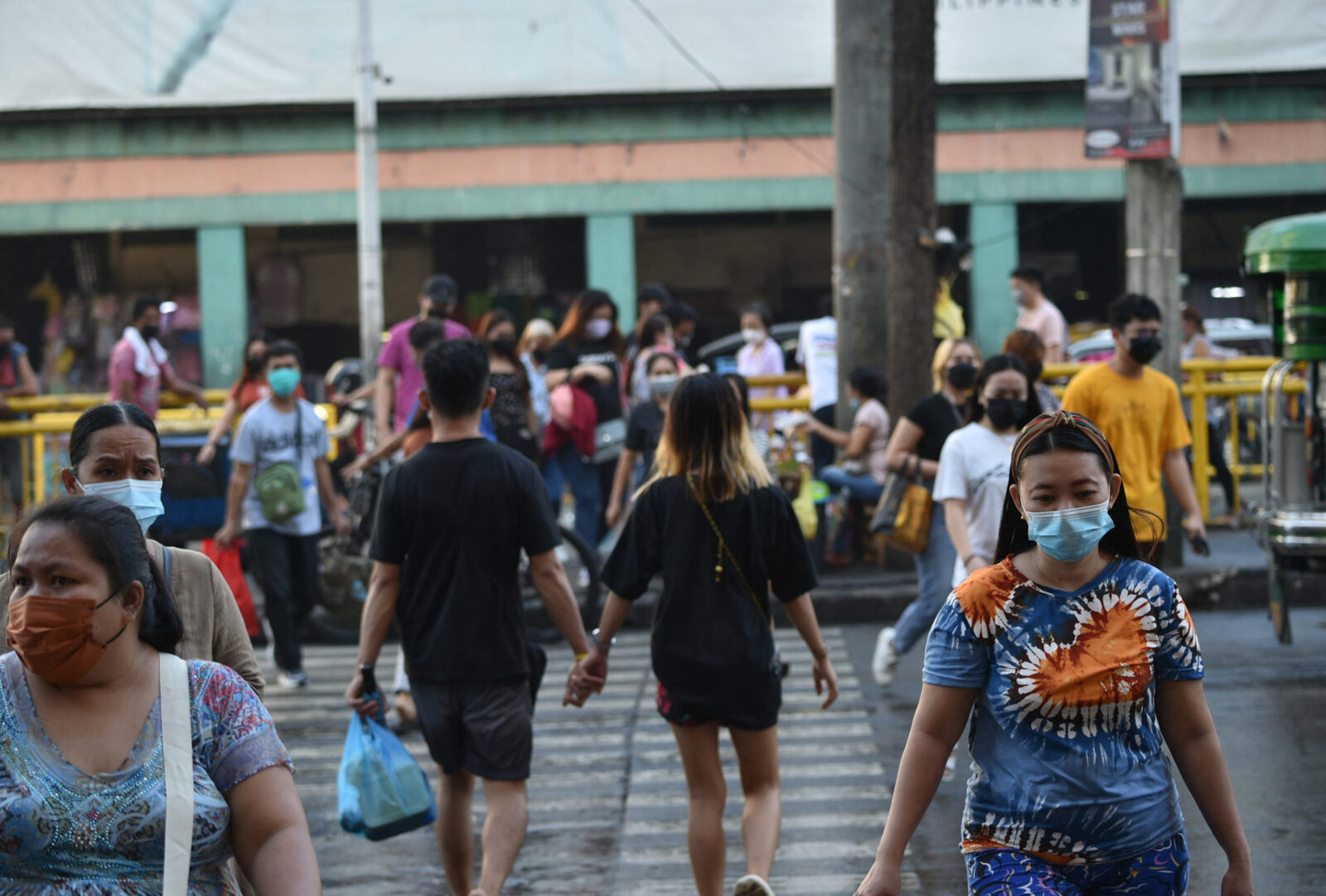
The country’s Commission on Population and Development (CPD) has called on a national “rethinking” of how the Philippines should take advantage of the “demographic sweet spot” it has enjoyed the past few years, particularly since fertility rates have begun to slow down.
The CPD called on more substantive planning and investments focused on education, health and skills development, especially because the majority of the population are within working age, which ranges from 15 to 64 years old.
“With the growing working age population, composing 63.9 percent of the Philippine population, investments should focus on developing our human capital; especially the education, health and skills of our people,” the agency said in a statement.
“While these trends currently favor our socioeconomic indicators, the challenge is to sustain the accompanying benefits,” said Undersecretary Lisa Grace Bersales, who heads the CPD, formerly known as the Popcom, which is separate from the UN agency of the same name.
CPD called for the integration of reproductive health policies with socioeconomic development strategies because of the persistent trend of poorer women having more children than those from higher income families.
Family planning tack
Bersales cited the practice from the 1970s of health-care providers discussing with potential mothers how they can achieve their desired number of children, aside from just birth limitation.
According to Bersales, “education and access to information are still key in ensuring that Filipinos achieve the number of children they desire, when they want it.”
Adolescent pregnancies, she said, should also be reframed as a “developmental inequality issue,” stressing that the problem is not just prevalence, but its concentration among vulnerable groups.
The agency noted in a statement on Tuesday that the country’s fertility rates highlight persistent “inequalities.”
Based on the results of the latest National Demographic and Health Survey, the fertility rate in the country has gone down to 1.7 children per woman in 2025 from 1.9 in 2022—a continuous decline since 1993, according to the Philippine Statistics Authority (PSA).

The CPD noted that 57 percent of Filipino women no longer wish to have children, with the use of contraceptives among married women also rising to 58.6 percent in 2025 from 42 percent in 2022.
But the agency pointed out that fertility rates are significantly higher among poorer families, with 2.8 children per woman, compared to those from richer households, which had a rate of 1.1 child per woman.
Women with lower education levels also have the highest fertility rates with 3.1 children per woman, although the number declines among women with higher educational attainment.
The same situation applies to adolescent girls, whose ages range from 15 to 19 years old.
Data from the survey showed that adolescent girls with some primary education recorded the highest percentage of pregnancies. Adolescent pregnancy was also highest among women from the poorest households, at 9.4 percent, and lowest among those in the richest families at 1.4 percent.