






Reenacted budget looms after deadlock on DPWH funds

The deadlock in bicameral discussions over the 2026 budget of the Department of Public Works and Highways (DPWH) has observers expressing concern that it could lead to a reenacted spending plan or forced corrections through unprogrammed appropriations.
On Monday Sen. Sherwin Gatchalian, chair of the Senate committee on finance, moved to postpone the bicameral conference committee following an impasse over the department’s proposed budget.
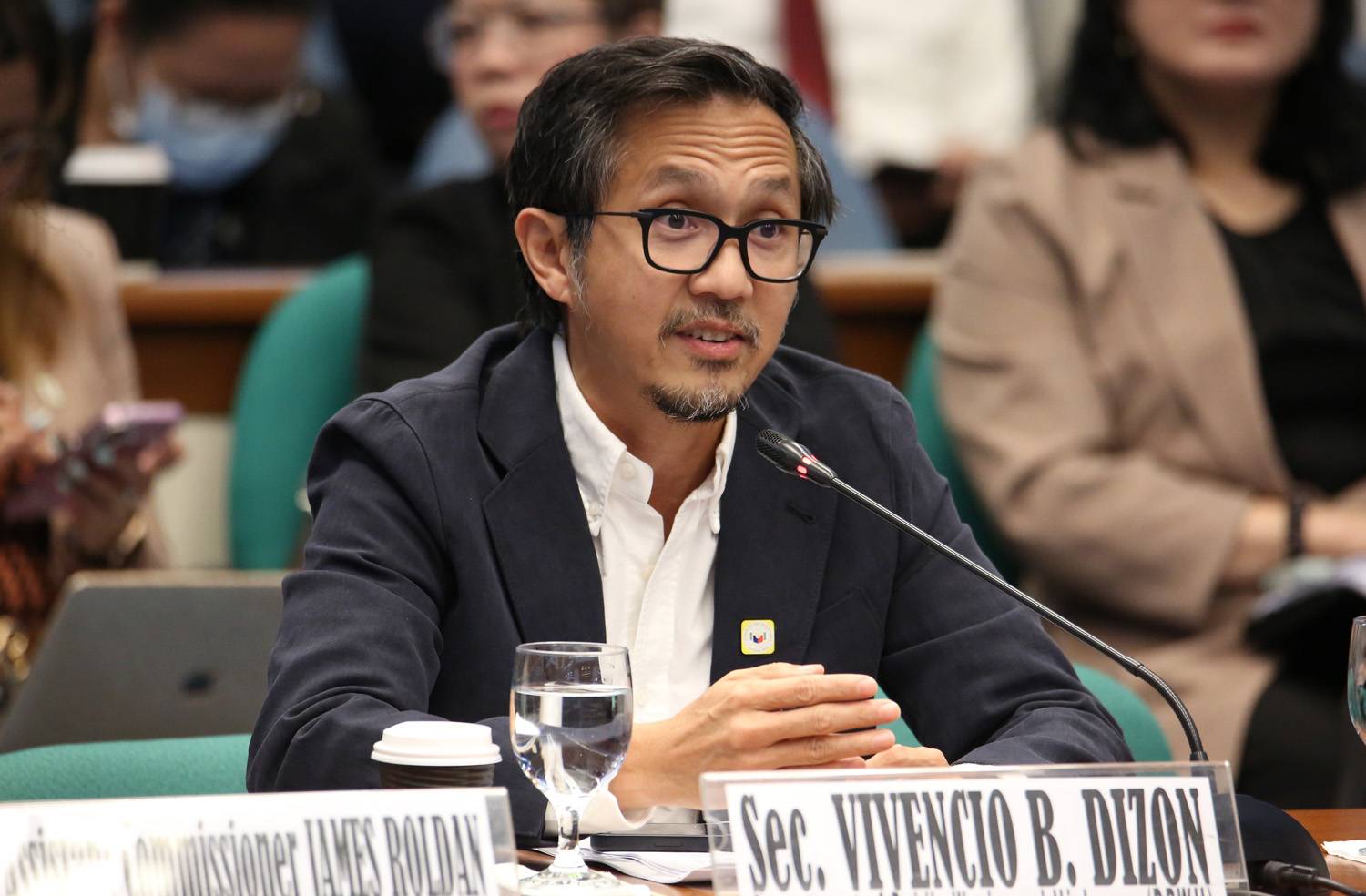
Public Works Secretary Vince Dizon is seeking to restore some P45 billion in his agency’s budget, citing adjustments in the Construction Materials Price Data (CMPD) as well as labor, equipment rental and other costs. On Tuesday his agency issued an apology “for the insufficient initial data [it] submitted to the Senate committee on finance regarding the application of CMPD.”
The department also sent a letter to Gatchalian containing “additional, project category-based data that incorporates key variables such as hauling distances and localized market behaviors, resulting in a more realistic basis for funding.”
“We trust that this submission will assist the committee’s review, and we remain ready to provide any additional technical clarification or supporting information, as may be required,” the DPWH said.
‘Open bicam’
For groups like Right to Know, Right Now (R2KRN) and People’s Budget Coalition (PBC), one way to break the impasse is to disclose all cuts and cost corrections if the bicameral conference panel chooses to restore the P45 billion.
These matters, they said in a joint statement, “must be resolved in open bicam and not through closed-door side caucuses that defeat the very purpose of the livestreamed bicam discussions.”
“The public must see and understand—the basis for the P45-billion reduction, including the adjustment factors applied; the DPWH’s justification for any reversal; and the final list of items to be affected by any restoration or realignment,” they said.
“Any attempt to resolve this deadlock by again accommodating increases through the UA (unprogrammed appropriations) is unacceptable,” the two groups said. “This mechanism has already been documented and established as a major vulnerability for corrupt and politically negotiated spending, and must not be used as a backdoor solution.”
‘Better a reenacted budget’
Meanwhile, Senate President Pro Tempore Panfilo Lacson questioned why Dizon was invited on Sunday to the bicameral conference committee—an unprecedented move, the senator, said, because it turned the proceeding into a regular committee hearing.
At any rate, Lacson said it is “better [to have] a reenacted budget in January or even in the entire first quarter of 2026 than an unchecked, corruption-conducive and, worse, graft-ridden GAA (General Appropriations Act). Most of my colleagues, at least in the majority bloc, share the same sentiment.”
But he said both chambers of Congress must still find a middle ground to prevent a reenacted spending plan.

‘Senate version’
PBC adviser Adolfo Jose Montesa agreed that any reenactment would be tenable only in the first few days of the next fiscal year.
“But once you go longer, a few weeks into the year, the consequences would be dire. Projects and services would no longer be implemented,” he said.
Based on its current schedule, the bicameral conference committee was supposed to finish last week its task of reconciling the Senate and House versions of the 2026 General Appropriations Bill.
“There [is] a real possibility that the budget would not be ratified by Dec. 22 (before Congress goes on a break the next day),” Montesa said. “In that case, there would be no time for the President to sign it before the year ends.”
“If we want to avoid a reenacted budget, they should adopt the Senate version, because the process with the Senate version [is] much more transparent and more engaged with civil society,” he said. —WITH A REPORT FROM KEITH CLORES


