






‘Safer Cities’ may end up violating rights–youth group

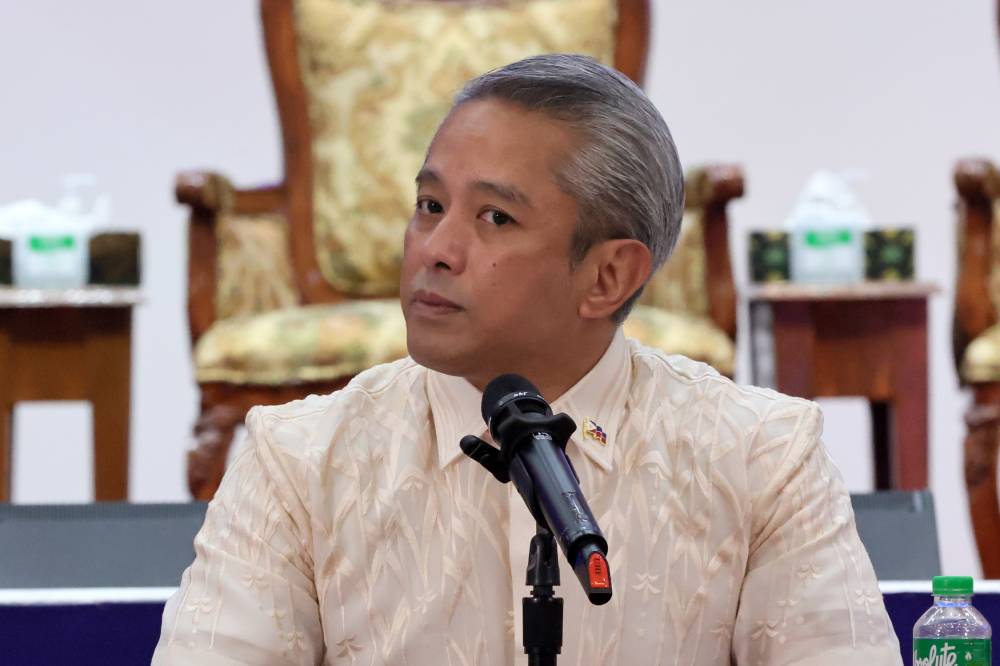
A youth group on Monday questioned the government’s rollout of the “Safer Cities Initiative” that restricts street drinking, going shirtless in public and late-night “videoke” sessions, warning this could lead to violation of rights.
Local Government Secretary Jonvic Remulla on Monday announced a tighter enforcement of city ordinances that seek to restore order and civility in Metro Manila at night, specifically warning street drinkers, shirtless bums and noisy revelers. He also vowed to run after curfew violators.
“The PNP has an unmistakable track record of subjectively applying the law, and will only be emboldened to profile and harass citizens, especially the youth, that SILG Jonvic Remulla deems to be ‘geng-geng,’” the Samahan ng Progresibong Kabataan (Spark) said in a statement.
The youth group said law enforcers, including those from the Philippine National Police, have committed serious misconduct in the past, citing the roundup of youngsters during a violent anticorruption rally in Manila on Sept. 21 last year.
Targets of searches, arrests
Spark spokesperson Milo Basuel on Tuesday told the Inquirer that policemen “roundly characterized those they arrested as hoodlums, leading to widespread profiling and illegal arrests.”
“We also cannot ignore the experience of the youth, especially in urban poor communities, during the war on drugs under President Duterte,” he added, referring to the former leader’s crackdown on drug suspects that killed tens of thousands for which he is facing a crimes against humanity charges before the International Criminal Court in The Hague, the Netherlands.
Basuel said the “whole gamut of arbitrary searches and arrests, extrajudicial killings, and cover-ups disproportionately affected younger citizens.”
Meanwhile, PNP chief Gen. Jose Melencio Nartatez Jr. assured the public that policemen would adhere to operational protocols while enforcing the ordinances, including the 10 p.m. curfew on individuals 18 years and below.
“We are here to serve and protect, not to impose without purpose. While we are intensifying our presence to ensure that local ordinances are strictly followed, I want to be clear that the rights of our citizens remain paramount,” he said in a statement.
“We will enforce the law with firmness but always with the utmost respect for the dignity and civil liberties of the people we serve.”
What’s basis for curfew?
Spark also questioned the basis for the 10 p.m. curfew on minors, saying it could arbitrarily restrict freedom of movement and prevent youths from engaging in legitimate activities.
It pointed out that not everyone can readily present identification cards to police or barangay officials, particularly those who may already be prejudged as out-of-school or unemployed based on appearance or behavior.
This will affect informally employed individuals such as helpers, errand runners and vendors, the group said.
For her part, House Assistant Minority Leader and Kabataan Rep. Renee Co criticized the curfew guidelines as “openly antipoor and elitist.”
Co said that instead of ramping up enforcement, the government should address the root causes of crime, such as economic hardship and the administration’s inadequate housing programs.
She also questioned whether targeting underprivileged youth would genuinely make communities safer, adding that the initiative fails to protect young people or maintain law and order.
According to Co, this marginalizes homeless and poor youth by portraying them as offenders rather than addressing their situation.