












San Juanico Bridge set to reopen after load test

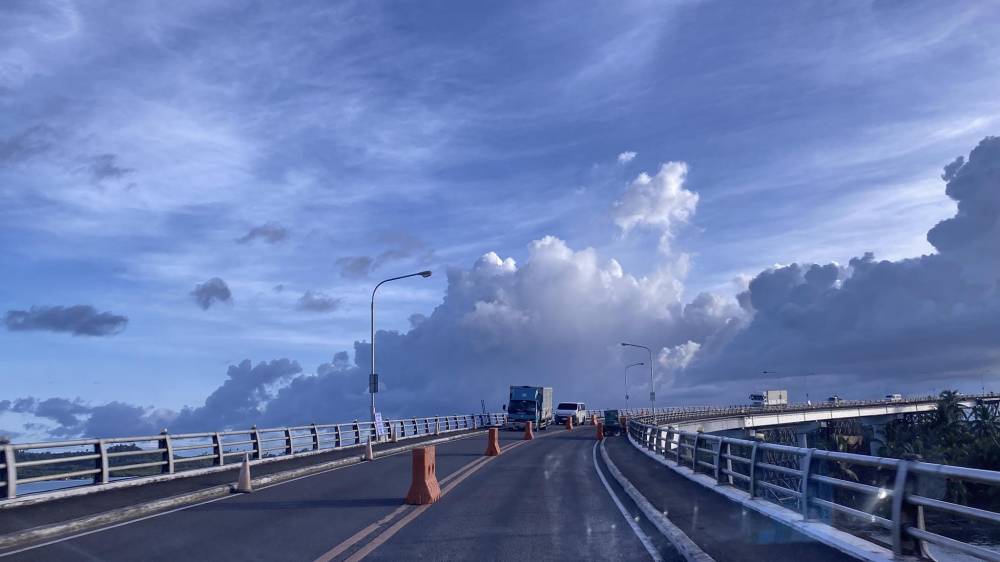
TACLOBAN CITY—The Department of Public Works and Highways (DPWH) on Wednesday held a dry run for the increased 15-ton load limit on San Juanico Bridge, marking a crucial step toward ending months of heavy-vehicle restrictions on the country’s longest bridge connecting the islands of Samar and Leyte.
The load testing began at 3 p.m. and was scheduled to end at 8 p.m., allowing two-way traffic with a strictly enforced 30-kilometers-per-hour speed limit.
The DPWH in Eastern Visayas region said the activity was part of its final safety validation before the bridge officially reopens to vehicles weighing up to 15 tons on Friday.
Structural concerns
Leyte Gov. Carlos Jericho Petilla, chair of the Regional Development Council in Eastern Visayas, welcomed the upcoming upgrade, saying it would significantly ease the burden on commuters and businesses affected by the severe restrictions.
“They (DPWH) have announced that there is a good possibility that before the end of this year, it could be 15-ton (limit). So, it’s a most welcome development,” Petilla said in an interview on Tuesday.
The iconic 2.16-kilometer San Juanico Bridge—a vital infrastructure connecting Leyte and Samar and considered a major logistics route to the rest of the country—has been limited to light vehicles weighing 3 tons since May, after routine inspections revealed structural concerns.
Engineers reported material fatigue and the need to reinforce several critical components of the 52-year-old structure, prompting authorities to impose a 3-ton limit as a safety measure.
The restriction disrupted travel and commerce across the region, with trucks, buses, and cargo haulers barred from crossing.

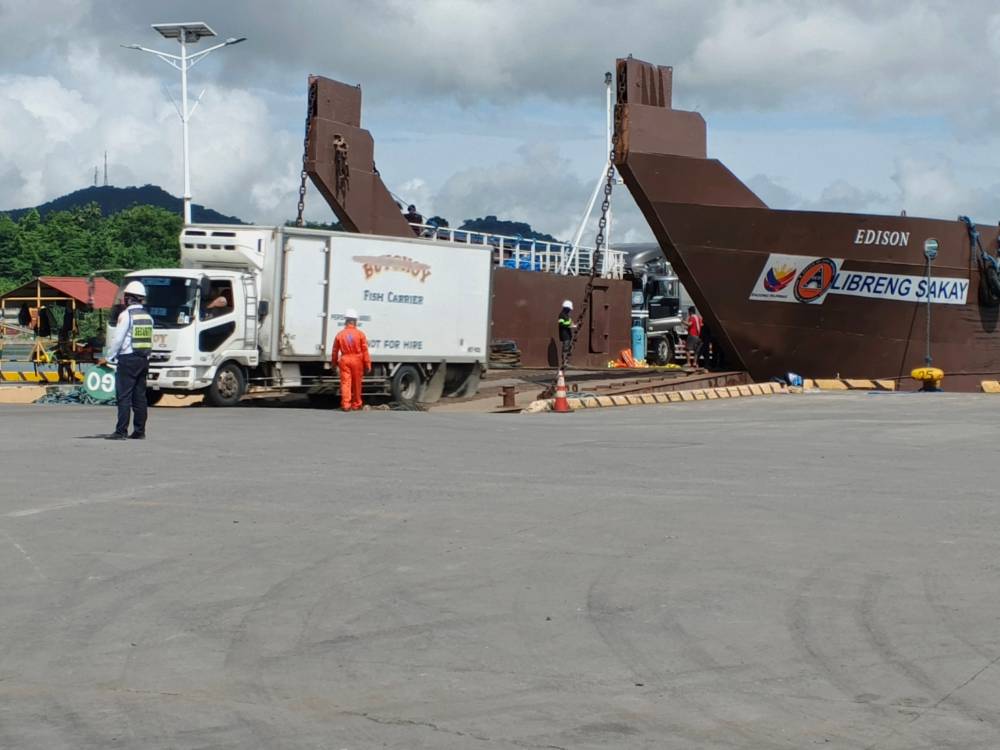
Heavier vehicles were redirected to the Amandayehan Port in Basey, Samar, where they were loaded onto barges bound for Tacloban City port before proceeding to Leyte, a workaround that lengthened travel time and raised transport costs.
Before the restriction, the bridge carried more than 14,000 vehicles daily, including around 1,400 cargo and commercial trucks—the sector most affected by the load limitation.
The planned shift to a 15-ton capacity is expected to restore normal traffic flow between the two islands, reduce congestion, and stimulate economic activity as mobility of goods and people improves.
Motorists were advised to observe safety protocols during the dry run to help ensure a smooth transition once the upgraded load limit formally takes effect.


Caught in the middle