











SC upholds sex abuse conviction despite ‘recantation’

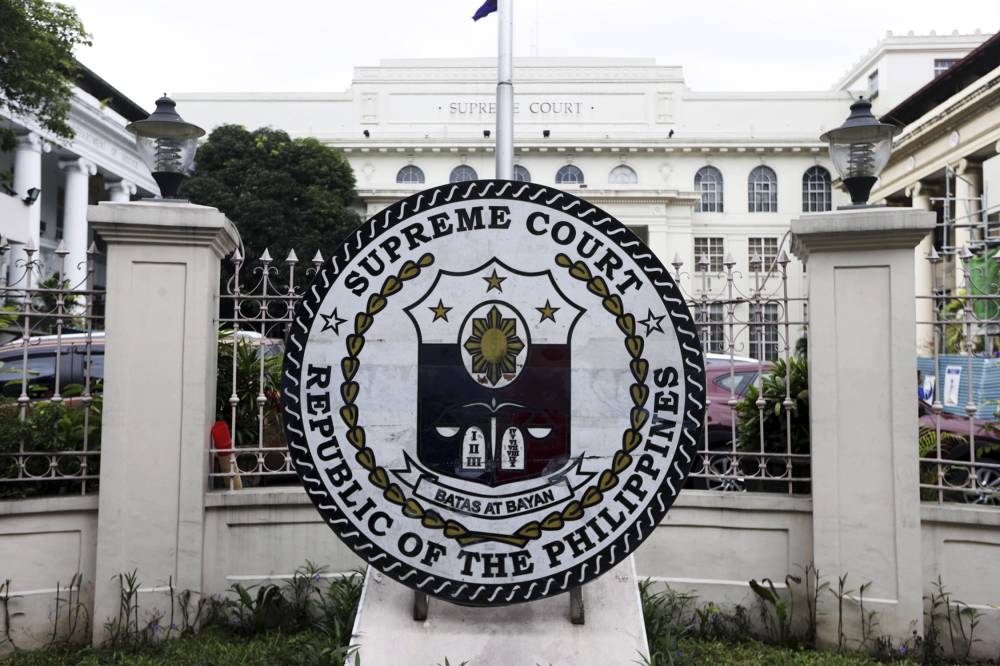
Witnesses and complainants who retract their statements do not automatically lose credibility, especially in cases of sexual abuse, according to the Supreme Court.
It was the central issue taken up in a case involving a father who was accused of raping his biological teenage daughter in 2017.
In a decision promulgated on Oct. 6, 2025 but released only on Thursday, the Supreme Court affirmed the Court of Appeals (CA) ruling that upheld the man’s 2020 conviction but downgraded the crime from rape to lascivious conduct.
The tribunal gave no weight to the daughter’s recantation, a point earlier raised by the defense to get the man acquitted.
According to court records, the defense cited the daughter’s later admission that her accusations against her father were “all fabricated and that she didn’t realize the gravity of her acts.”
The recantation was also voluntary and that she just wanted to “help her father and for everyone to have peace,” the defense then said.
But citing jurisprudence, the Supreme Court said a testimony “solemnly given in court should not be set aside and disregarded lightly.”
Before dismissing any testimony, the court should carefully scrutinize past and present statements, including the potential reasons behind the sudden turnaround of a witness, it added.
Viewed with suspicion
“Recantations are viewed with suspicion and reservation, and the Court looks with disfavor upon retractions of testimonies. This is primarily because recanted testimonies are exceedingly unreliable and there is always the probability that it will later be repudiated,” the high court said in a decision written by Associate Justice Antonio Kho Jr.

A cautious treatment of recanted statements is especially necessary in cases of rape and other sexual abuse, it added.
The high court said a trial court’s findings about a witness’ credibility could not be simply reversed “without compelling reasons,” especially when they are affirmed by the CA.
It went back to records from the regional trial court that handled the case stating that the daughter wept “uncontrollably” during her original testimony, indicating the trauma she suffered.
Though the crime was downgraded from rape to lascivious conduct, the sexual abuse was proven. The penalties imposed on the father—up to 40 years in prison and P225,000 in damages—were also upheld.