










Seeking dry ground in flood-prone Bulacan


PLARIDEL, BULACAN—For decades, flooding has been a way of life for many families in Bulacan’s low-lying communities.
Every rainy season brings the same cycle of anxiety: monitoring rising rivers, moving belongings to safer places and waiting for floodwaters to recede. In towns such as Obando, Hagonoy, Calumpit, and parts of Guiguinto, recurring floods have become a reality that generations of residents have learned to endure.
But for a growing number of families, repeated flooding has prompted a difficult decision—to leave their longtime communities and start over elsewhere.
Adaptation
Among them is 35-year-old accountant Donna Noble, who spent most of her life in Barangay Lawa, Obando, one of the province’s flood-prone areas.
“Every time there was heavy rain, we worried about flooding,” Noble recalled. “It became part of our lives.”
Since relocating to a residential community of Plaridel Heights in Plaridel in 2024, she said her family has experienced something unfamiliar during typhoon season: not having to worry about floodwaters entering their home.
For Noble and other residents who have moved from flood-prone areas, relocation has become a form of adaptation to a problem that continues to affect thousands of households across Bulacan despite ongoing flood control projects.
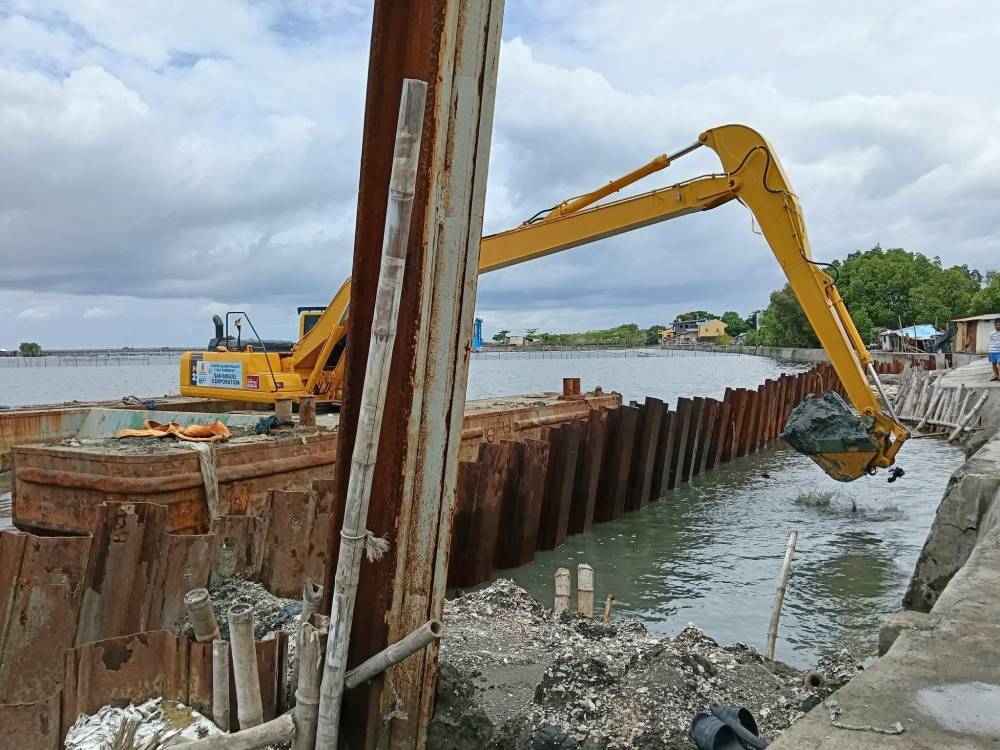
Local governments have invested in dikes, drainage improvements and other mitigation measures. In Obando, Mayor Leonardo Valeda has continued the construction and strengthening of the Lawa-Paco section of the town’s dike system following damage caused by previous storms.
Yet many residents say that while flood control projects help, they do not always eliminate the threat.
As a result, some families have chosen to relocate to areas situated on higher ground.
One such community is in Barangay Lalangan, Plaridel, where nearly 80 families have settled since 2023. Many of them previously lived in flood-affected areas elsewhere in Bulacan.
Broader reality
Among them is another accountant, Rina Litonjua, who formerly lived in Barangay Dampol 2nd, Plaridel.
“This area is elevated and has a good drainage system, so we do not experience flooding,” she told the Inquirer.
The movement of families from flood-prone communities to higher areas reflects a broader reality facing Bulacan, where rapid urbanization and increasingly severe weather events continue to test local flood control systems.

According to provincial disaster response officials, some parts of Plaridel remain less susceptible to flooding because of their elevation, drainage infrastructure and proximity to desilted waterways.
For residents, such as Noble and Litonjua, relocating has meant more than finding a new house. It has meant escaping a cycle of recurring floods that shaped much of their lives.
In nearby Malolos City, Mayor Christian Natividad expressed concern that more residents could experience severe flooding during the upcoming rainy season and the peak of the southwest monsoon (“habagat”) in July and August, following the suspension of flood control projects nationwide amid the controversy surrounding alleged ghost flood control projects.
Natividad warned that delays in the implementation of flood mitigation works could leave vulnerable communities exposed to heavier flooding, especially during periods of intense rainfall and monsoon activity.
As Bulacan continues to grapple with flooding, its stories illustrate how some families are adapting—not by building higher walls against floodwaters, but by seeking higher ground.
******
Get real-time news updates: inqnews.net/inqviber