




Senate sets 56-month term for first elected BARMM execs

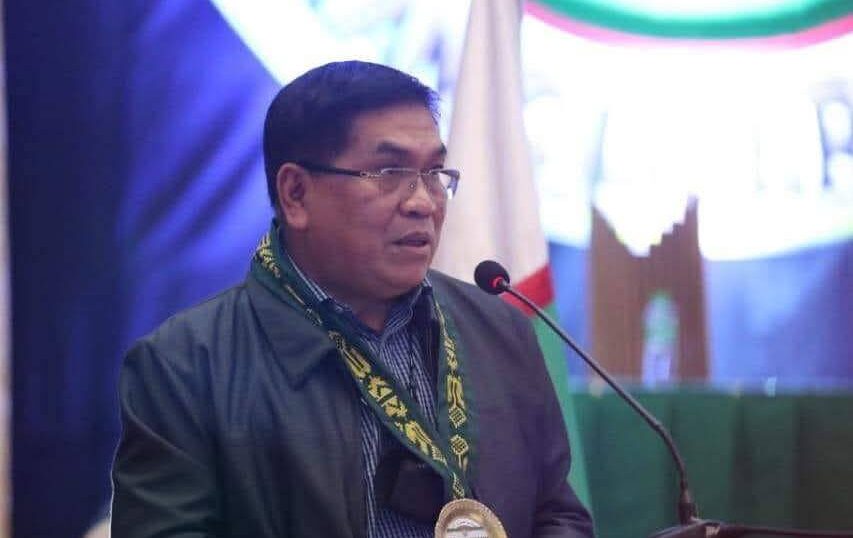
COTABATO CITY—The Senate version of the measure resetting the parliamentary elections in the Bangsamoro Autonomous Region in Muslim Mindanao (BARMM) grants the first elected members of parliament (MPs) a term of 56 months, or four months short of five years.
This provision is contained in Senate Bill No. 1823, which was approved on third and final reading by a 21-0 vote on Monday.
The measure, authored by Senate Majority Leader Juan Miguel Zubiri, was necessitated by the failure to hold the Oct. 31, 2025 regional polls due to legal issues, as well as the impossibility of conducting them on March 30 this year, based on guidance from the Supreme Court.
Under the bill, the automated elections will be held on the second Monday of September this year. Those elected will assume office at noon on Oct. 30 this year, with terms expiring in June 2031.
Synchronized
According to Zubiri, it was Panfilo Lacson who pushed for the adjustment in the term of office of the first elected MPs to ensure that succeeding elections in the region are synchronized with the national schedule, thereby avoiding any constitutional issues.
A report by the committee on local governments dated Feb. 10 had proposed holding the elections on the second Monday of September this year and every three years thereafter, which would have meant that regional elections would not be synchronized with the national schedule.
“The election must push through this year so our brothers and sisters in BARMM can exercise their right of suffrage and elect their leaders,” Zubiri said.
He also expressed hope that a counterpart measure would soon be approved in the House of Representatives.
Originally scheduled for May 2022, the BARMM elections were moved to May 2025, then to Oct. 31, 2025, and later to March 30, 2026. The Oct. 31 schedule was scrapped after the high court declared unconstitutional two laws creating 32 parliamentary districts in the BARMM.
A total of 80 seats are up for election, of which 40 are party representatives elected at large, 32 are elected from parliamentary districts, and eight are sectoral representatives—two for settler communities, two for non-Moro indigenous peoples, and one each for women, youth, ulama, and traditional leaders.
Civil society groups have warned against further delays in holding the elections, noting that the region’s constituents have long awaited their historic opportunity to elect their leaders.
On Tuesday, Presidential Peace Adviser Carlito Galvez Jr. lauded the Senate’s approval of the measure, particularly commending Zubiri for shepherding the bill.
“Zubiri’s leadership in ensuring that the transition remains on track is a testament to our shared vision of a stable and flourishing BARMM,” Galvez said in a statement.

“The resetting of the elections is a strategic move to ensure that the transition process is inclusive, legally sound, and fully prepared for the historic exercise of democracy,” he added.
Apart from ensuring public legitimacy and the long-term stability of the Bangsamoro government, the upcoming exercise, according to Galvez, will fulfill “the aspirations of our brothers and sisters in the BARMM to determine their own future and strengthen the foundations of lasting peace in Mindanao.”
“This is an important development for BARMM as it sets a clear direction for democracy in our region,” Member of Parliament Naguib Sinarimbo said.
On Tuesday, BARMM Chief Minister Abdulraof Macacua welcomed the Senate measure as “a crucial step toward the region’s full democratic transition.”
“As enshrined in the Bangsamoro Organic Law, this election marks the full exercise of the people’s sovereign will—the formal transition from an interim government to a democratically elected Parliament,” Macacua said.
“We are committed and ready to participate in the September 2026 elections, fully prepared to uphold a peaceful, credible, and democratic exercise that reflects the true will of the Bangsamoro people,” he added.