



Senators ask: Why seek US approval to buy Russian oil?

Amid government efforts to obtain a larger oil supply, senators asked the Department of Foreign Affairs (DFA) on Monday why the Philippines needs to seek permission from the United States to secure oil from Russia.
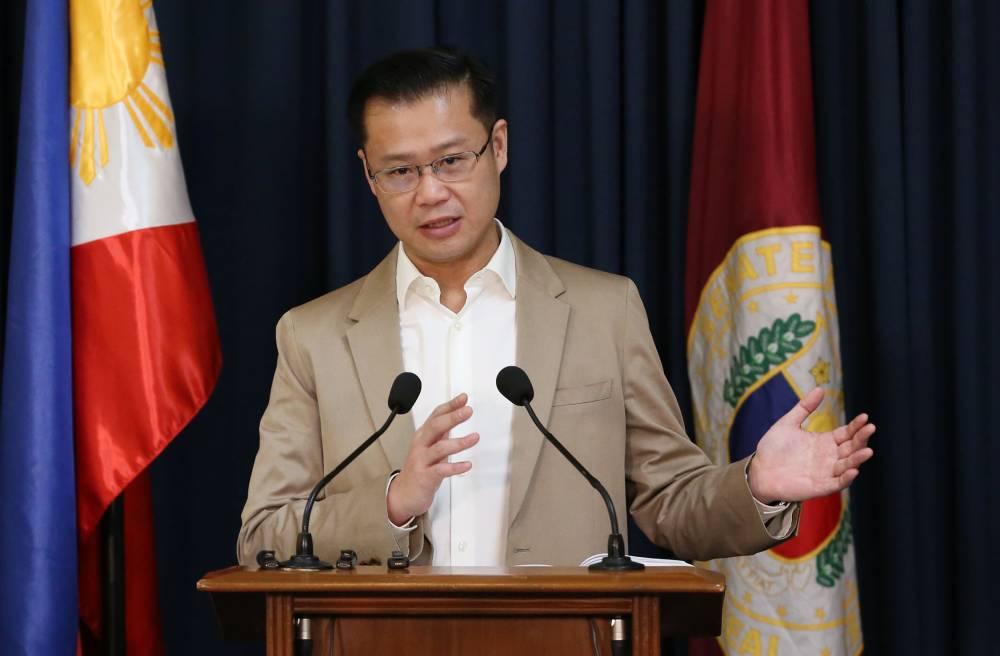
During the DFA’s presentation before the senate proactive response and oversight for timely and effective crisis strategy committee, its chair Sen. Sherwin Gatchalian and Sen. Imee Marcos questioned the said procedure.
“Why do we need to ask the US? Time is of the essence and we needed the oil yesterday. If we ask permission, that will obviously delay the delivery of oil supply,” Gatchalian said.
Government request
After being attacked by the US and Israel on Feb. 28, Iran has blocked the Strait of Hormuz, a vital passageway for roughly 20 percent of global oil supplies. The Philippines was able to secure petroleum products from Russia when the US temporarily lifted sanctions on Russian crude oil imports for one month.
Philippine Ambassador in Washington DC Jose Manuel Romualdez, told international media that the country has requested the US to extend the waiver for three more months.
During the hearing, Foreign Secretary Ma. Theresa Lazaro said that only the US can lift United Nations (UN) sanctions imposed on Russia for invading Ukraine.
“Therefore, our Philippine Ambassador in Washington D.C., particularly Ambassador Babes Romualdez, has been negotiating with two [US] departments—Department of State and Department of Treasury,” Lazaro said.

Upon questioning by Marcos, the DFA secretary said the Philippines is only following the procedures set by the US State Department as requested by the UN.
Energy Secretary Sharon Garin backed up Lazaro’s statement, saying, “Our private companies don’t want to buy unless its [sanctions] lifted because the US might run after them. So they want clearance before buying.”
Responding to Gatchalian’s suggestion that the Department of Energy could take a government-to-government approach, Garin said: “We just follow the diplomatic channels.”