











‘Soft pork’ still a complaint as Marcos reviews 2026 budget

The ratification of the proposed P6.793-trillion 2026 national budget had been “railroaded” amid lingering questions over “soft pork” and lump-sum items amounting to billions of pesos, according to some House members.
Ahead of the signing of 2026 general appropriations bill (GAB) by President Marcos next week, opposition and minority lawmakers questioned its provisions on patronage programs, unprogrammed appropriations, confidential funds and foreign-assisted projects.
When the House voted to ratify the GAB last Monday, it did so via viva voce vote in less than one minute, depriving lawmakers who had wanted to vote “no” the chance to manifest their dissent, said the Makabayan bloc.
This left them no opportunity for members to question or explain changes introduced during closed-door negotiations between the House and Senate, said the bloc composed of ACT Teachers Rep. Antonio Tinio, Gabriela Rep. Sarah Elago and Kabataan Rep. Renee Co.
‘Patronage-driven spending’
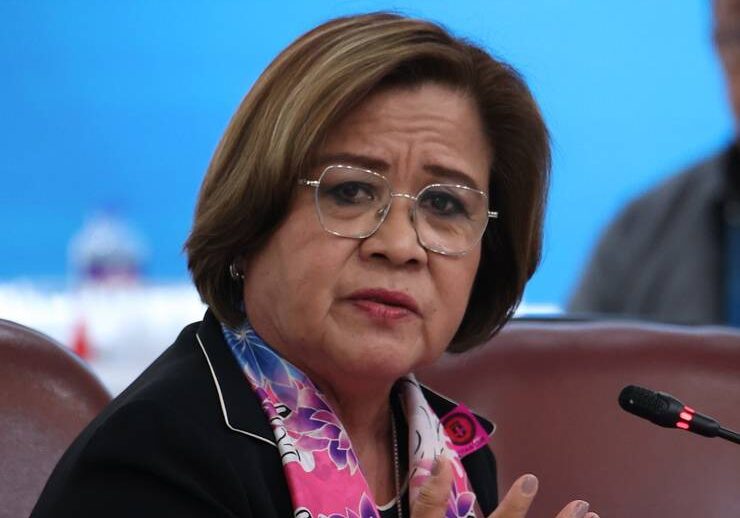
Mamamayang Liberal Rep. Leila de Lima echoed the sentiment on Thursday, saying: “While the transition to a livestreamed open bicam (bicameral conference committee) is a historic step toward transparency, transparency alone is not reform. Transparency becomes hollow when what it merely broadcasts is the return of opaque, discretionary, and patronage-driven spending.”
“Partial or selective transparency, when used to fool than to enlighten, is even more dangerous than pure opaqueness,” she added.
At the center of the criticism is the decision to retain unprogrammed appropriations at P243 billion, close to the P250 billion proposed by the executive branch and higher than the P174.5 billion version earlier approved by the Senate.
This came to pass even as unprogrammed funds have no firm constitutional basis and “effectively surrenders Congress’ power of the purse to the executive,” De Lima said.
President’s ‘soft pork’
The Makabayan bloc also flagged what it called Mr. Marcos’ “exclusive soft pork”: the Department of Agriculture’s Presidential Assistance to Farmers and Fisherfolk, which gives financial aid to the impoverished sector.
During the bicameral conference committee deliberations last month, the panel headed by Senate finance committee chair Sen. Sherwin Gatchalian and House appropriations committee chair Nueva Ecija Rep. Mikaela Suansing approved a motion to give the program P10 billion again even after the Senate decided to defund it in their version of the GAB, the budget measure cobbled together by both chambers based on the National Expenditure Program (NEP) submitted by Malacañang in July.
“Instead of genuine agrarian reform, the junking of the rice liberalization law, and a stop to agricultural imports, farmers and fisherfolk are offered measly ayuda,” the bloc said.
This comes on top of the highly criticized “soft pork” programs, such as the Assistance to Individuals in Crisis Situation at P63.9 billion, Medical Assistance to Indigent and Financially Incapacitated Patients at P51.6 billion, and the emergency employment program Tulong Panghanapbuhay sa ating Disadvantaged/Displaced Workers at about P22 billion.
‘LGU pork’
Also left uncontested is the sharp increase of lump-sum funds for local governments, after the bicameral conference committee raised the Local Government Support Fund to P57.87 billion from P16 billion in the NEP.
Other LGU-linked funds, including financial assistance and the growth equity fund, were also expanded, bringing what the group described as “LGU pork” to more than P73 billion in total.
A new P15.33-billion disaster rehabilitation and reconstruction fund for local governments was also inserted, which they said could be used for infrastructure and cash assistance at the discretion of the President.
Confidential and intelligence funds rose to more than P11 billion, including allocations for agencies without primary security mandates, said De Lima.
Worse, she noted, the increases amounting to P1.049 billion from the NEP to the GAB were not even discussed during livestreamed bicameral sessions or reflected in official amendment summaries.
Other lawmakers said the rushed approval concealed deep cuts to major infrastructure projects, particularly those funded by foreign loans.
Project delays
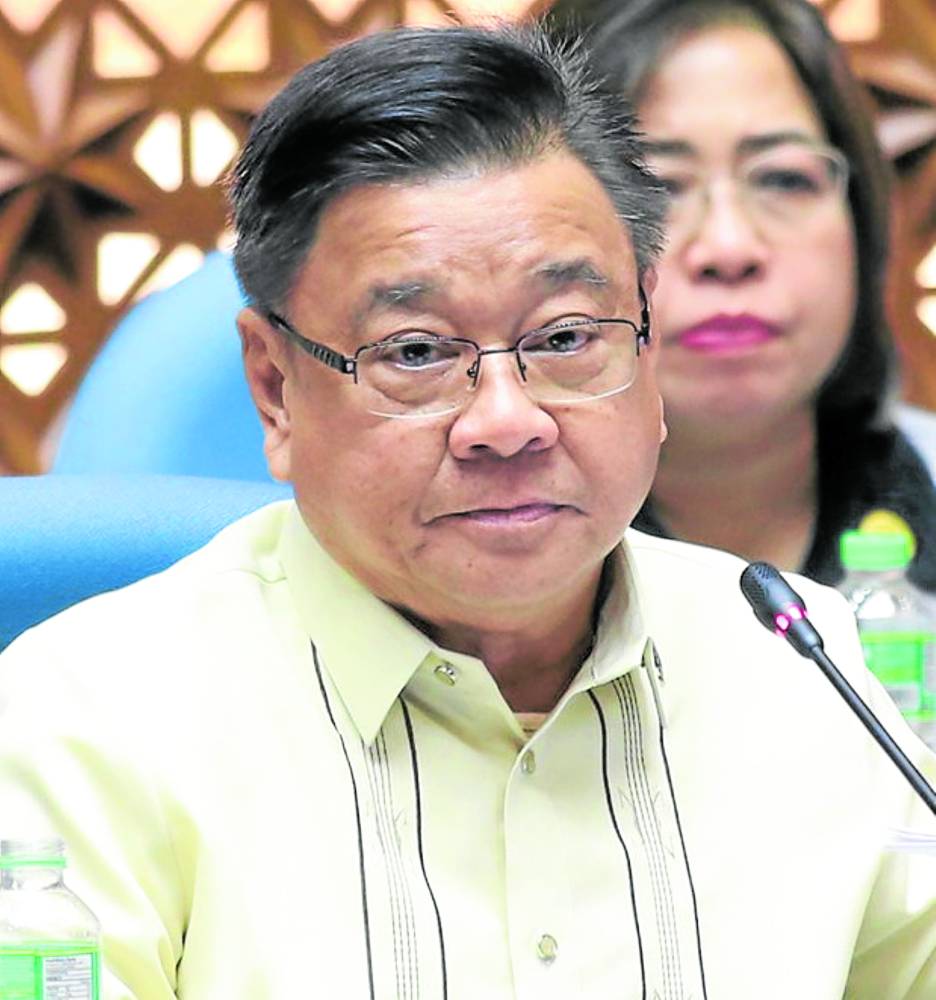
Davao Rep. Isidro Ungab, who was House appropriations committee chair during the Duterte administration, lamented that the budget for foreign-assisted projects of the Department of Public Works and Highways (DPWH) was slashed to P17.7 billion, from about P100 billion in the executive proposal.
Major rail projects were also hit. Funding for the Metro Manila Subway was cut by more than half to P20.4 billion, while the North–South Commuter Railway was reduced to P28.8 billion from P76 billion.
Ungab warned that these reductions would delay projects critical to mobility and economic recovery, even as funds were shifted to discretionary and unprogrammed items.

‘Business as usual’
The Makabayan lawmakers also criticized cuts to personnel-related funds. The Miscellaneous Personnel Benefits Fund was reduced by P10.77 billion and the Pension and Gratuity Fund by about P32 billion, with portions transferred to unprogrammed appropriations.
While Congress restored some funding for bonuses and plantilla positions, P43.25 billion for personnel requirements was left under unprogrammed items, meaning release of the funds would depend on executive discretion, they added.
Rep. Harold Duterte of the Pwersa ng Pilipinong Pandagat party list group said the online bicameral sessions created the appearance of openness but failed to resolve long-standing questions about the integrity of the budget, particularly in the DPWH.
“The 2026 budget should have been the moment to confront these issues head-on,” he said. “Instead, it appears to be business as usual.”
‘Railroaded despite red flags’
The Makabayan bloc said the administration used the budget to consolidate political support through discretionary funds while underfunding education, health care, agrarian reform and women’s and child welfare programs.
“This budget was railroaded into approval despite serious red flags,” the group said. “The Filipino people deserve a budget that is debated fully, funded honestly and aligned with their most urgent needs.”
Meanwhile, the reenacted 2025 budget will have no significant impact on the Department of Education (DepEd) since the President is expected to sign the 2026 budget on Jan. 5, the first working day after the holidays.
Until the 2026 budget is signed, the government will operate on the reenacted 2025 budget in the first few days of the month.
DepEd said that the reenacted budget will only affect the rollout of its new programs for a short period of time.
“[A]nd the brief period will be used by DepEd to finalize the necessary implementation guidelines,” Dennis Legaspi, DepEd’s chief media relations officer, said in a message to reporters. —WITH A REPORT FROM DEMPSEY REYES