






Survey: 52% want ‘fully empowered’ infra body

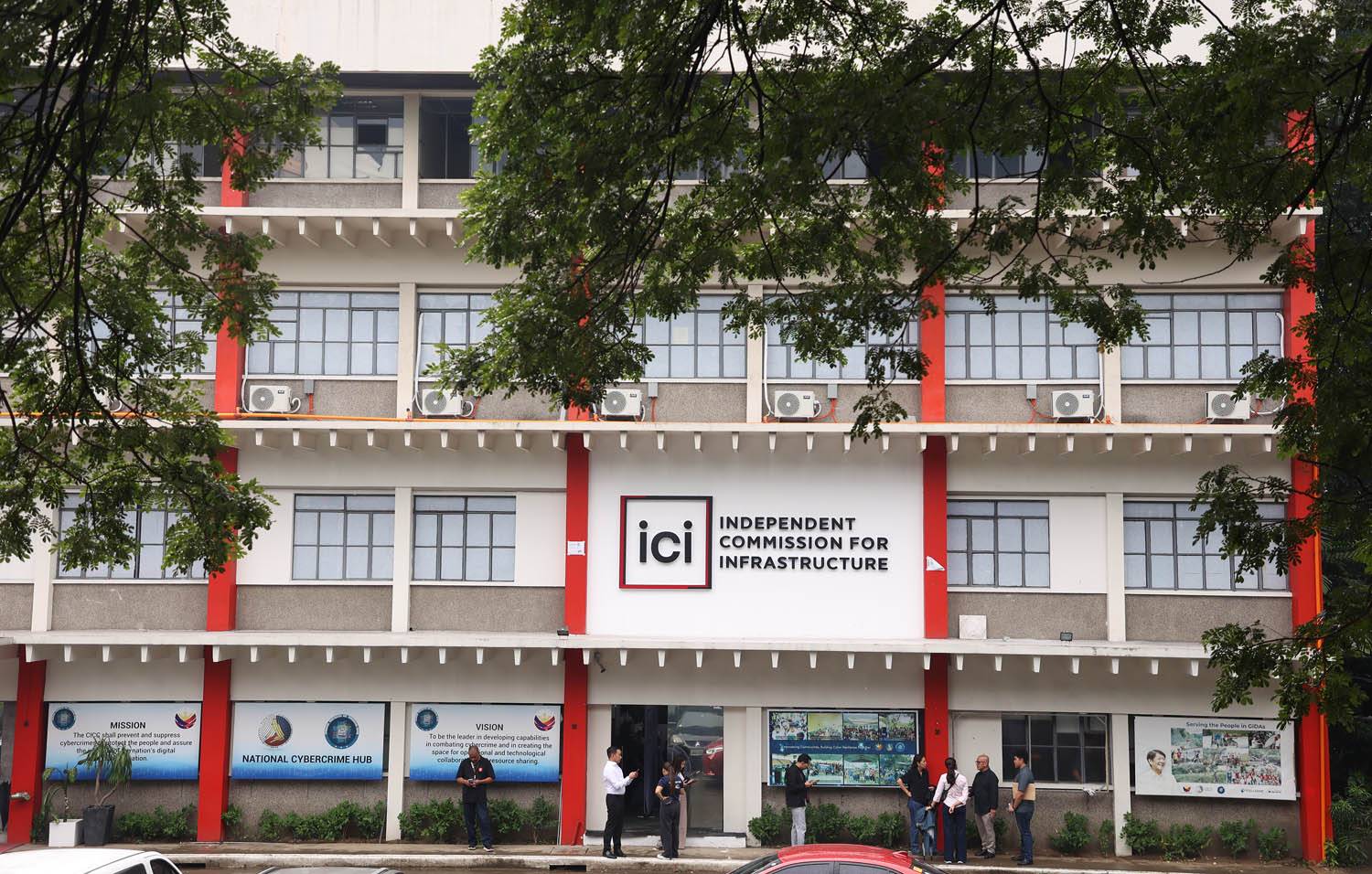
More than half of Filipinos are in favor of the formation of “a fully empowered Independent Commission Against Infrastructure Corruption (ICAIC),” according to a survey by Pulse Asia released on Monday.
Pulse Asia’s “Ulat ng Bayan” Survey conducted from Dec. 12 to 15 found that 52 percent of Filipinos agree Congress should “immediately” pass a law on the creation of such a body—in contrast to 33 percent who “somewhat agree” on the urgency of enacting such a law and 15 percent who do not see the immediate need for such a measure.
In terms of geographical areas, 67 percent in Metro Manila agree on the urgency of establishing the ICAIC, followed by 61 percent in the Visayas and 52 percent in Luzon outside of Manila.
The responses were split in Mindanao, with 35 percent agreeing on the immediate creation of the ICAIC, 24 percent disagreeing and 41 percent undecided.
In terms of social class, opinion was split among Class C respondents, with 40 percent agreeing, 20 percent disagreeing and 40 percent undecided.
The survey was conducted with face-to-face interviews among 1,200 adults and had a margin of error of plus-or-minus 2.8 percent.
Measures in Congress
Lawmakers have filed several measures, including four pushed by President Marcos, seeking to establish an investigative body on infrastructure projects with broader powers, including the authority to issue subpoenas and initiate charges.
Two Senate bills propose the creation of the Independent People’s Commission (IPC), an independent and a nonpartisan commission that would investigate alleged anomalies and corruption in infrastructure projects among national agencies, local government units and government-owned and -controlled corporations.
The Senate also wants this IPC institutionalized as a new government body, with its members serving three years but allowed reappointment for only one more three-year term.
In the House, a version of the proposed law filed by Deputy Minority Leader Leila de Lima of the Mamamayang Liberal party list recommends only a two-year time frame for the ICAIC but also provides its extension by law.
ICI’s limitations
Although the current body, the Independent Commission for Infrastructure (ICI), has produced eight interim reports recommending various charges leading to the arrest of several former public works officials and their associates in the private sector, the commission has also been criticized for its closed-door proceedings and for its perceived selectiveness in its inquiry.
Given its limitation as a fact-finding commission, the ICI can only make recommendations on the filing of charges before the Ombudsman.
Assistant Ombudsman Mico Clavano earlier pointed out the ICI’s concern that it is not protected from prosecution in the course of its investigative work.
The Ombudsman, on the other hand, has legal immunity in the performance of its functions, although the official occupying that office can be removed by impeachment.
‘Not yet finished’
Further complicating matters are the resignations this month of Commissioners Rogelio “Babes” Singson, a former public works secretary, and Rossana Fajardo—leaving the body’s chair, retired Supreme Court Associate Justice Andres Reyes Jr., as its only member.
Reyes on Friday said the ICI would “now focus on finalizing the remaining items that will be submitted to the Office of the Ombudsman in order to strengthen and add to the growing number of cases that will eventually be filed with the courts and hold those involved accountable.”
But on Sunday, Palace press officer Claire Castro said the ICI’s work “is not yet finished.”
“The President himself has ordered the ICI to investigate all cases in the past 10 years,” she said.
Castro, however, also said “there have been no discussions about replacements, as we are considering a measure that may be passed establishing an independent commission.”
‘Sunset clause’
Based on the “sunset clause” of Executive Order No. 94, which Mr. Marcos issued in September creating the ICI, the body will remain in operation until it accomplishes its mandate or unless sooner dissolved by the President.
The ICI is also tasked by the order to investigate all public infrastructure projects in the past 10 years, spanning the previous administrations of former Presidents Rodrigo Duterte and the late Benigno Aquino III.
Earlier this month, Reyes had said the ICI could work for two more years, after Ombudsman Jesus Crispin Remulla had remarked that the commission might only have about a month or two before it turned over its work to his office. —WITH A REPORT FROM DEXTER CABALZA