







Sweetener imports threaten sugar industry, Negros Occ gov warns

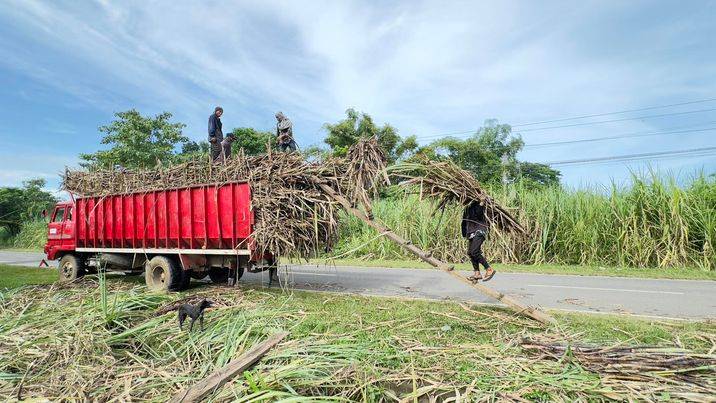
BACOLOD CITY—Negros Occidental Gov. Eugenio Jose Lacson has called on the national government to protect the local sugar industry and public health amid the increasing importation of artificial sweeteners.
In a statement on Monday, Lacson lamented that the sugar industry in Negros Occidental continues to face serious pressures that require thoughtful and balanced policy responses.
“As the country’s major sugar-producing province, we are particularly concerned about recent developments in the local sugar and sweetener market and their implications on economic sustainability, consumer protection, and public health,” he said.
Lacson added: “We respectfully stress the importance of balanced regulation—one that protects and promotes public health, ensures informed dietary choices, and at the same time, safeguards that local agricultural industries are not disproportionately disadvantaged.”
He said available import data showed a steady increase in the volume of unregulated artificial sweeteners entering the country.
Imports rose from 355,196 metric tons in 2021 to 448,499 metric tons in 2022, further increasing to 473,029 metric tons in 2023, 493,048 metric tons in 2024, and 427,523 metric tons in 2025, Lacson said.
Pressure
For sugar-producing provinces like Negros Occidental, these volumes inevitably affect demand for locally produced sugar, placing pressure on prices and incomes across the value chain—from farmers and mill workers to transporters and small rural enterprises that depend on the industry, he said.
Alongside the economic impact, there is also a public health dimension that warrants careful, science-based consideration, consistent with the principles upheld by the Department of Health (DOH) and the Food and Drug Administration, (FDA) the governor added.
Certain artificial sweeteners, such as sucralose, which is 600 times sweeter than natural sugar, are permitted for use within established safety limits, Lacson noted.
He urged the national government and concerned agencies to review artificial sweetener import policies, ensure proper classification, strengthen coordination among economic and health agencies including the DOH and FDA, and adopt measures that protect both the local sugar industry and consumers.

“Protecting the sugar industry of Negros Occidental is inseparable from protecting rural livelihoods, food security, and public health,” Lacson said.
“Through constructive dialog and evidence-based policy action, we believe it is possible to strike a fair and sustainable balance that serves both producers and consumers,” he added.
United Sugar Producers Federation (Unifed) president Manuel Lamata, who along with Sugar Regulatory Administrator Pablo Luis Azcona met with the governor last week to raise concerns over the increasing importation of artificial sweeteners, thanked Lacson for issuing the statement.
Lamata also noted the potential health risks associated with these substitutes.
“These sweeteners are detrimental to the health of Filipinos. They are linked to serious side effects, including cancer,” he said.