








Thailand holds election as economy slows, nationalism rises

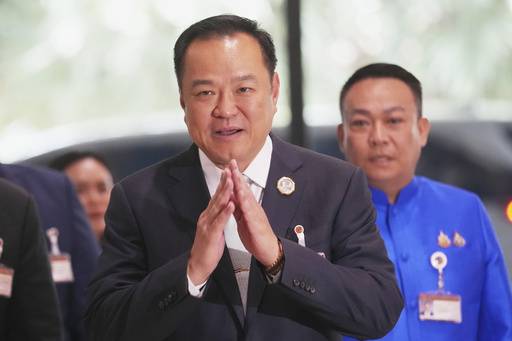
Thailand’s political parties geared up on Friday for their last campaign rallies before voters head to the polls on Sunday for a general election being held against a backdrop of chronically slow economic growth and heightened nationalist sentiment.
There also have been accusations of shady financial influence linked to cybercrime and rampant corruption among officials ahead of the election that is likely to be a tight race among three major parties with no outright winner expected.
The snap vote was triggered in December by Prime Minister Anutin Charnvirakul, who dissolved parliament to preempt a potential no-confidence motion over an issue of constitutional change.
Anutin at the time had held office for only three months after the court-ordered removal of his predecessor, Paetongtarn Shinawatra, for what were judged as ethical lapses. The move came at a tricky political moment as Thailand engaged in combat with Cambodia over a long-standing border dispute.
Anutin is seeking to return to power with his conservative Bhumjaithai Party. He recast himself as a wartime leader during the border clash with Cambodia after his popularity slipped due to deadly southern floods and scam scandals involving senior officials. His campaign has focused on national security and economic stimulus.
Reform agenda
The progressive People’s Party, led by Natthaphong Ruengpanyawut, continues to top opinion polls with a structural reform agenda. The party won the most House seats in 2023 under a different name, but was blocked by conservative lawmakers from forming a government. It needs to win decisively enough to overcome those barriers.
The Pheu Thai Party, backed by former Prime Minister Thaksin Shinawatra, was once dominant while leading the government for two years until August. But two of its prime ministers were ousted by court rulings while Thaksin was imprisoned.

Campaigning on economic revival with familiar populist pledges such as cash handouts, Pheu Thai’s lead prime ministerial candidate is Thaksin’s nephew, academic Yodchanan Wongsawat.
There will be 400 lawmakers directly elected based on constituencies, while 100 others will be chosen from “party list” nominees, who gain seats according to each party’s proportional share of the vote. Together they will constitute the 500 members of the House of Representatives who select the prime minister.
No single party is expected to win an outright majority, leaving the prime minister to be determined through intense coalition bargaining, similar to the result in 2023.