




The little known debut in Malacañang

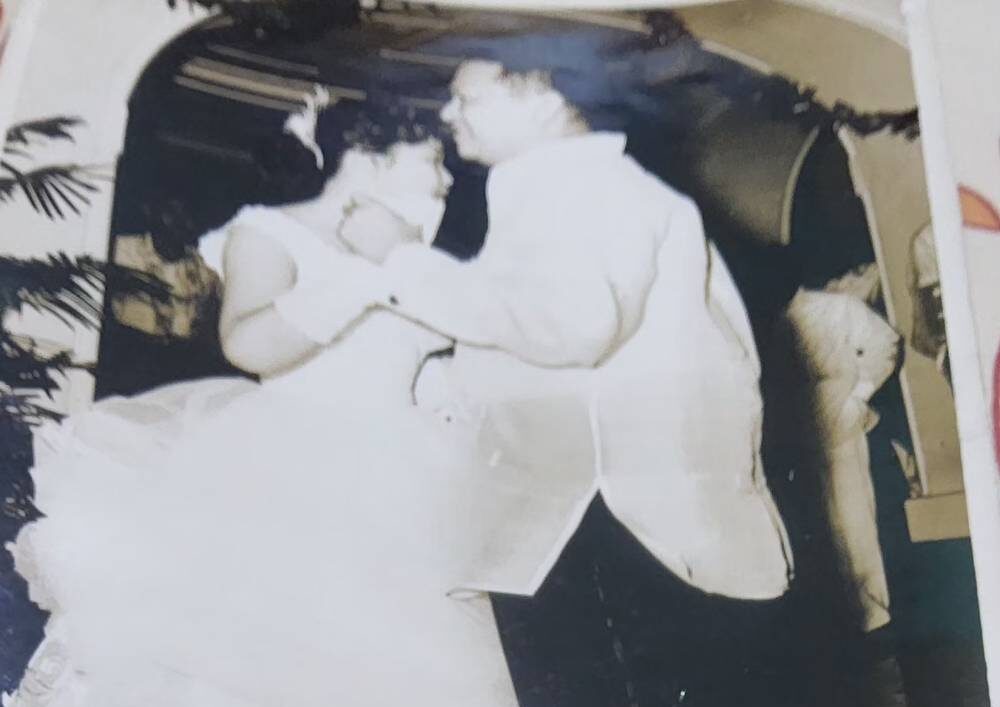
It was the first debut—and apparently the only one so far—held in Malacañang.
But despite being held in the country’s seat of power, there was little pomp and pageantry, glitz and glitter. It was not even mentioned in available records, including biographies of the debutante’s father, Ramon Magsaysay, the seventh president of the Philippine Republic.
Par for the course for the frugal Magsaysay, who was always mindful of separating personal expenses from public expenditure. It was probably also the reason why it was held in the Palace rather than in a private venue that would have to be rented. After all, the late president paid for the event from his own pocket.
The debutante, Magsaysay’s daughter Milagros, better known as Mila, says it took about a week before the president could be persuaded to host the party. Compared to other coming-out parties, it was more a slightly upgraded birthday celebration rather than the lavish events the rich and famous, including government officials and politicians, indulged in then and now.
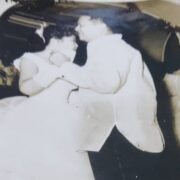
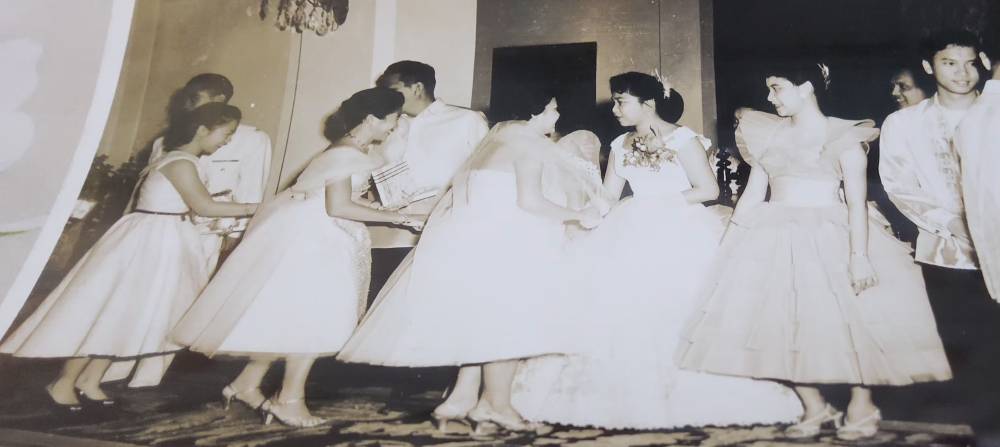
Mila, the second child and daughter of RM, only have two or three black and white photographs of the occasion remaining. She remembers her gown was pink, a creation by Mary Esteban, one of the leading dressmakers at the time. Drop or dangling earrings were not allowed.
‘Baka akala mayaman tayo’
“Baka akala mayaman tayo (people might think we are rich),” was how her mother, the former Luz Banzon, explained it.
The Malacañang band played but there was little dancing. Guests consisted of Mila’s classmates at St. Scholastica’s College—about 40—which was then an exclusive school for girls, while the men and boys were mainly cousins and uncles of the birthday girl.
Mila’s cousin Louie Serrano recalls he was not allowed to attend because he was only 12 years old at the time. An older brother, who was 14, was there.
With that guest list, there was very little dancing. The president did have the traditional first dance with the debutante. Mila does not remember dancing with anyone else.
Careful with public funds
Magsaysay inadvertently prepared for that father-and-daughter dance before he was elected president. As a congressman representing Zambales, he and colleague Atilano Cinco of Leyte went to Washington to lobby on behalf of Commonwealth Army veterans in the Philippines.
The chair of the US House of Representatives veteran affairs committee was a woman named Edith Nourse Rogers. At the time, Mila says, restaurants usually had dance floors.

Magsaysay prepared to argue his case even on the dance floor by having a professional dance instructor teach him, including how to do the waltz. So careful was Magsaysay about not spending public funds on what he thought were personal necessities that he would not even let his wife change the curtains at Malacañang. Ms Magsaysay suffered from asthma.
When she did have to go to the United States for treatment, the President borrowed money from the Philippine National Bank to cover her expenses.
Uncle’s contract canceled
Magsaysay was just as fastidious about ensuring relatives were not taking advantage of his position. Dr. Jose Abueva, one of his biographers, said an uncle, Ambrosio, had to go to the Supreme Court for relief after the president ordered the cancellation of the elder Magsaysay’s contract to transport cement for the government corporation, which was approved by the previous administration.
Magsaysay, who was elected president in 1953, was tragically killed in a plane crash on March 17, 1957, before he could finish his first term. Abueva and other biographers predicted an easy election for a second term had Magsaysay survived.
The President’s legacy of service and commitment to ordinary people is kept alive through the annual Ramon Magsaysay Awards.