






Think tank to gov’t, MILF: Mend ‘broken’ trust

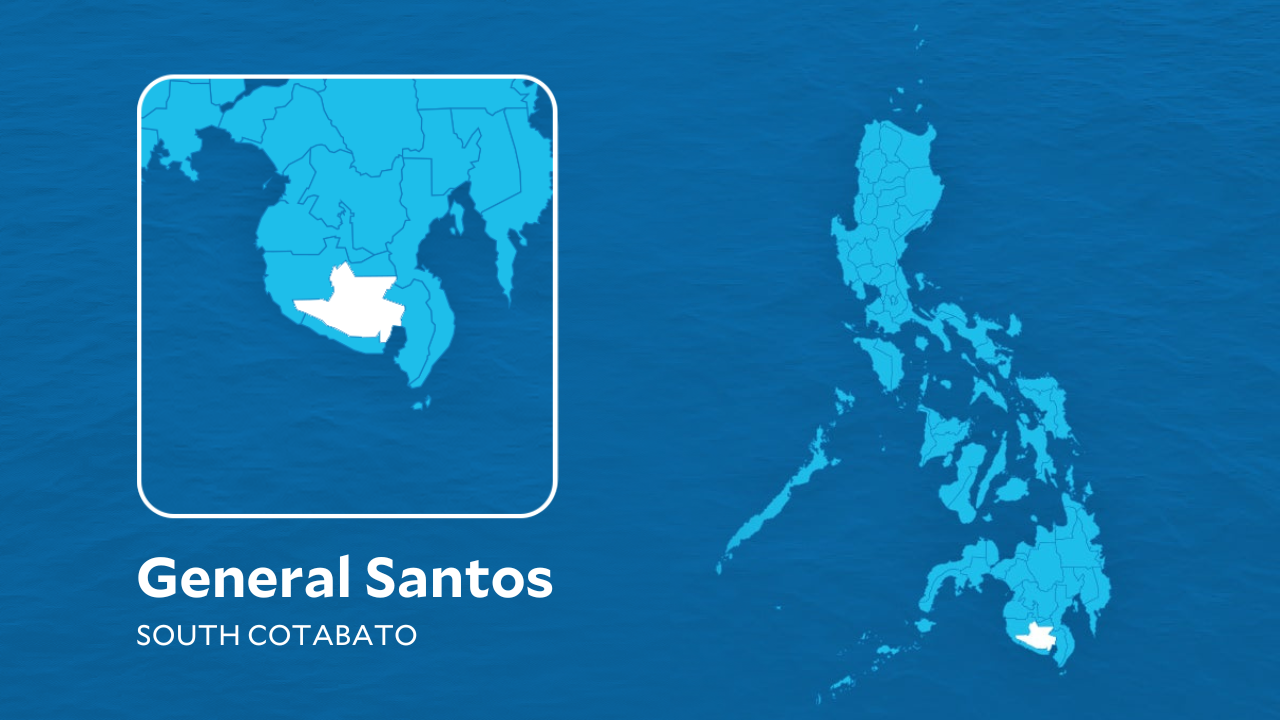
GENERAL SANTOS CITY—A global think tank has urged the Philippine government and the erstwhile rebel group Moro Islamic Liberation Front (MILF) to rebuild trust to prevent the collapse of the Bangsamoro peace process.
In a report titled “Peace in the Philippines: The Bangsamoro’s Moment of Truth,” the International Crisis Group (ICG) called on the peace panels of both parties to urgently meet again to address the growing distrust between them.
“Manila and the ex-rebels urgently need to rebuild trust … Manila and the Bangsamoro authorities should urgently take steps to ensure that the peace process does not sputter,” the report said.
The ICG released its report on Tuesday, barely three weeks before the 12th anniversary of the landmark Comprehensive Agreement on the Bangsamoro (CAB), which the government and the Moro Islamic Liberation Front (MILF) signed on March 27, 2014, after 17 years of negotiations.
The CAB paved the way for the establishment of the Bangsamoro Autonomous Region in Muslim Mindanao (BARMM), which became a legal reality following the ratification of its charter—the Bangsamoro Organic Law (BOL)—in January 2019.
Rare feat
Since then, the BARMM has been run by the 80-member Bangsamoro Transition Authority (BTA), its interim government, which under the BOL must be led by the MILF.
Georgi Engelbrecht, ICG’s senior analyst on the Philippines, noted that the 2014 peace accord “remains one of the rare negotiated settlements of the past decade worldwide that has not unraveled.”
However, he said both tracks of the peace agreement now face formidable hurdles.
“On the political side, parliamentary elections have been repeatedly deferred, creating uncertainty and fueling political divisions. It is imperative that they take place at the earliest to prevent extending the current limbo,” Engelbrecht said.
On the stalled normalization process—whose largest component involves the decommissioning of about 14,000 remaining combatants—he said getting it back on track “will require greater sincerity and effort from both the Philippine government and the MILF.”
“Manila bears a particular responsibility to safeguard the peace,” especially after its intervention last year to replace the BARMM leadership, Engelbrecht added.
He was referring to the appointment of MILF military chief Abdulraof Macacua as BARMM chief minister in March last year, following the resignation of Ahod Ebrahim, also known as Al Haj Murad, the MILF’s top leader.
Third parties
“The peace process is not at risk of collapsing tomorrow, but it is evident that the risks are piling up,” Engelbrecht said.
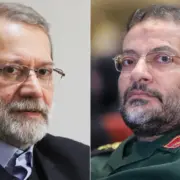
In its report, the ICG said that although the role of third parties with a confidence-building mandate has diminished over time, they could still help support dialogue between the government and the MILF.
The think tank was apparently referring to the International Contact Group and the Third Party Monitoring Team (TPMT).
Composed of four international nongovernmental organizations and four governments, the contact group was created to serve as a third-party observer during the peace negotiations. The TPMT, meanwhile, is mandated to monitor, review, and assess the implementation of the peace accord.
“The promise of the Bangsamoro peace process has not yet dimmed, but missteps at this late juncture could still fuel a resurgence of fighting,” the ICG report said.
Earlier, the Institute for Autonomy and Governance, a Cotabato City-based think tank, and the peace watchdog Climate Conflict Action issued a joint statement warning that the Bangsamoro peace process “is on the brink of collapse,” with trust between and among the parties “rapidly eroding.”
In August last year, the TPMT said the Bangsamoro peace process had “reached a perilous juncture,” noting that trust among the parties was “at an all-time low.”