








Thirst ends, hope begins on Zamboanga island

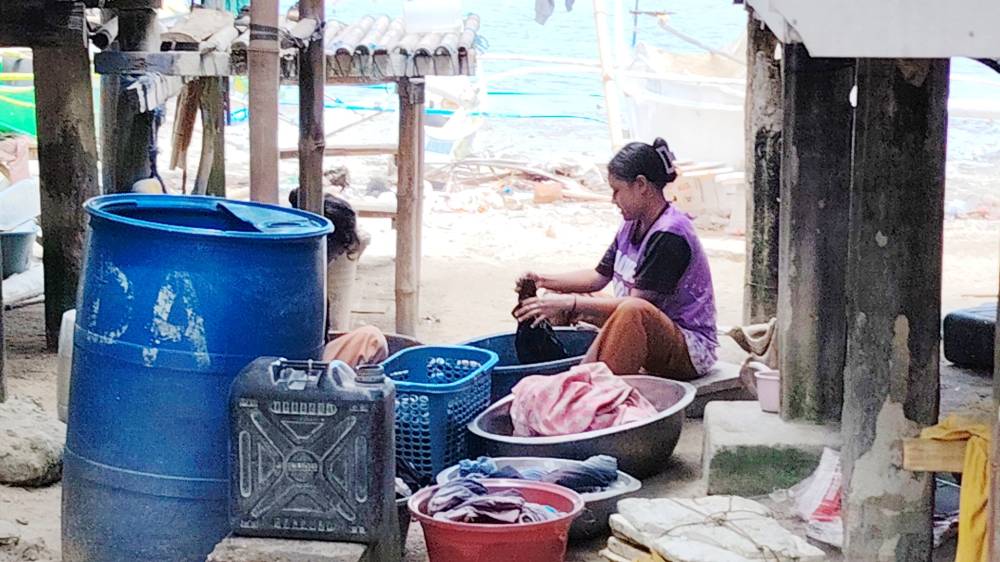
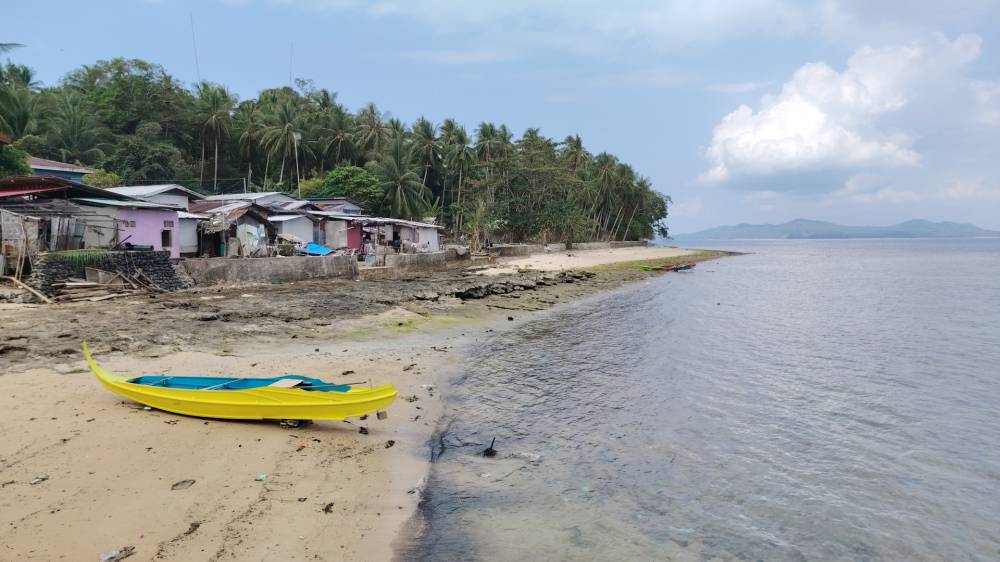
ZAMBOANGA CITY—Before, mornings on the remote Tumalutab Island began with waiting.
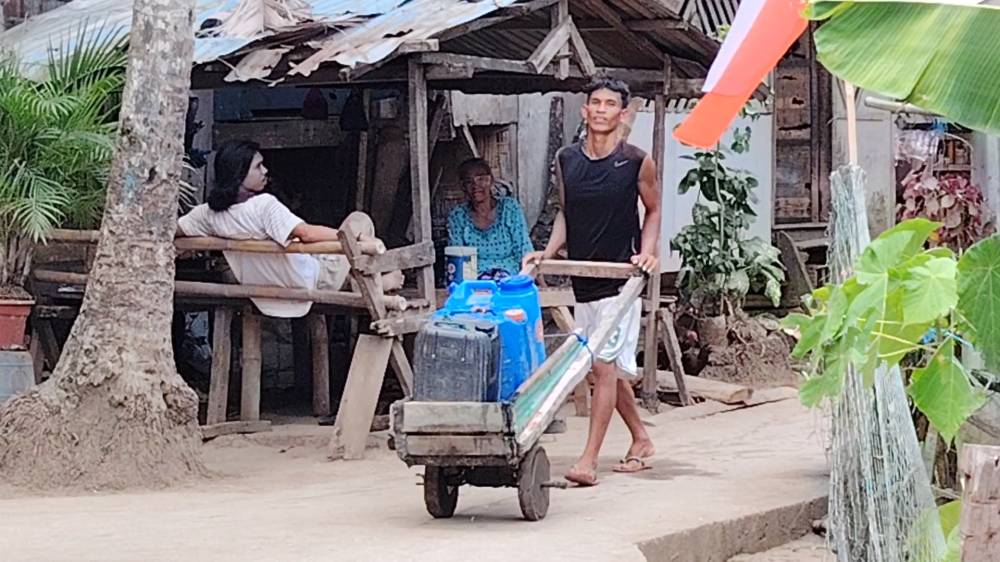
Not the ordinary kind, but the kind that shaped an entire day—when families stepped out of their homes at first light carrying empty plastic containers, when children lingered by the doorway hoping for water before school, and when mothers walked toward the shoreline with quiet urgency, eyes fixed on the horizon.
There, they waited for boats.
From mainland Zamboanga City, small vessels would arrive carrying what the island could not produce on its own: clean water. When they came, there was relief—but never enough of it. When they didn’t, there was nothing.
Clean water, in Tumalutab, was never guaranteed.
It was expensive, too. At P60 to P70 per 5-gallon container, families learned to stretch every drop. Drinking came first. Cooking followed. Bathing became optional. Laundry could wait for another day. Life adjusted, quietly and constantly, to scarcity.
When storms rolled in, the waiting stopped—but so did the supply.
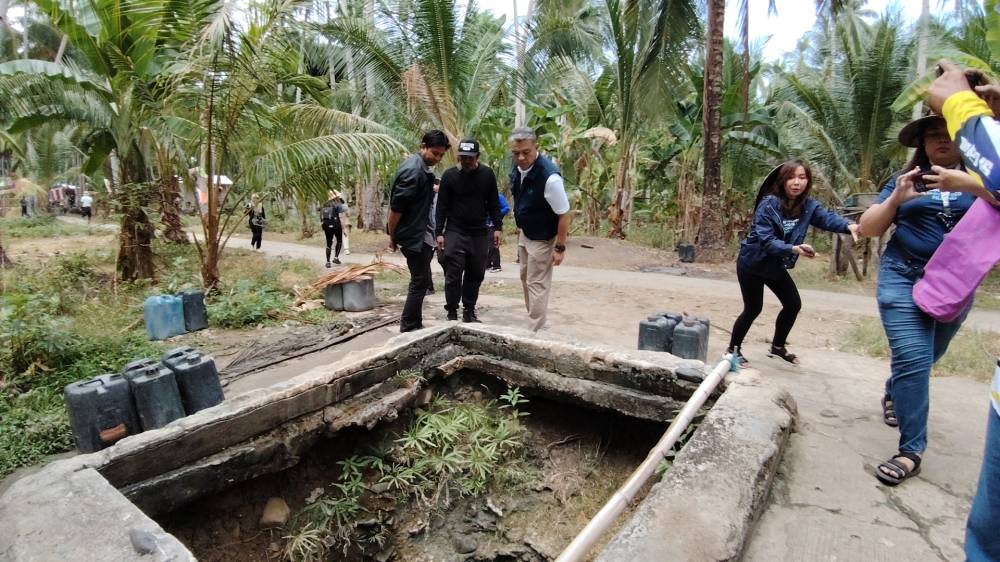
Artesian well
On those days, residents turned to artesian wells, drawing water that tasted of salt and often left children sick. Still, it was used. There was no alternative.
For student Junaida Sabburani, the impact was personal. In an interview with the Inquirer, she shares that there were mornings when she went to school without bathing.
“It was difficult I had to go to school like that. It was embarrassing to be around my classmates. Now, things are better.”
Nurhima Atim, a mother of three, recalls how every day meant choosing how to divide what little water they could afford.
“We couldn’t afford to buy water before. Now, with the filtration facility just meters away, clean water is finally within our reach,” she says in a separate interview.
Another resident, Usnaira Habibon, said she feels a deep sense of happiness, sharing that “for the first time, we feel seen. This has been a huge help to all the residents on the island.”
Uncertainty
For older residents like Aida Tarroza Malinao, 62, the hardest part was the uncertainty—waking up each day not knowing if water would come at all.
Then, on March 31, something shifted. The waiting finally stopped.
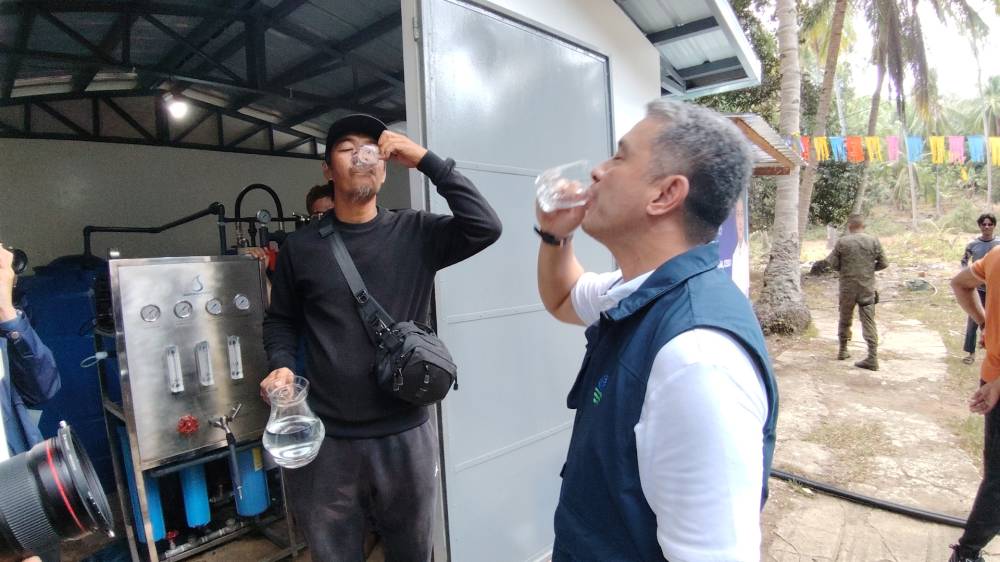
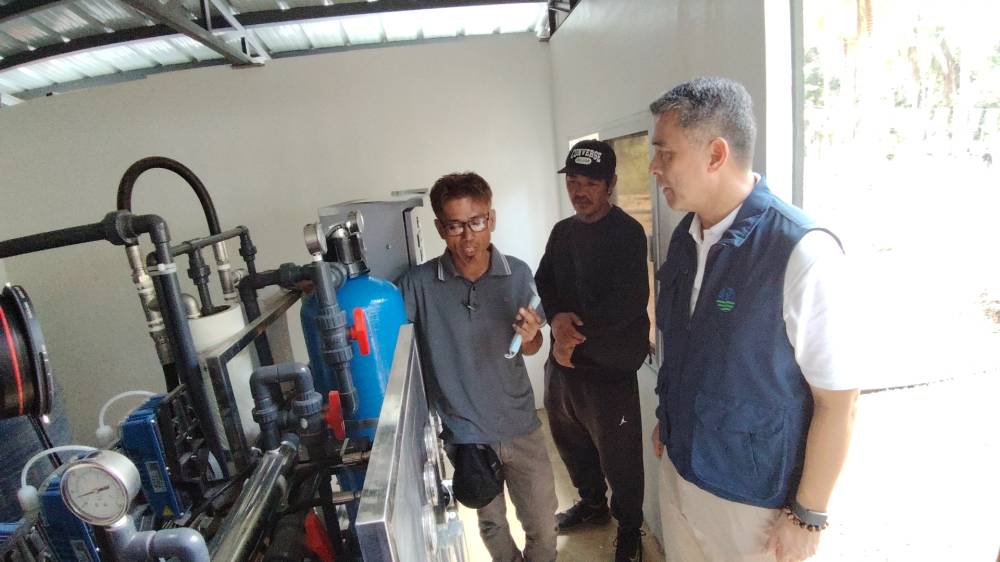
A water filtration and desalination facility began operating on the island, converting saline and unsafe water into clean, potable supply.
Installed by the Department of Environment and Natural Resources’ Water Resources Management Office (WRMO), the system brought something Tumalutab had long gone without: reliability.
The change was immediate, but not loud. It unfolded in small, ordinary moments.
Now the containers were filled not at the shoreline, but just meters from home.
Children now wash their faces before school without worrying that it might run out. Meals already prepared without hesitation.
The cost dropped to P20 to P25 per container—no longer a burden that competed with food on the table.
“Things have changed a lot since the filtration project arrived,” remarks Barangay Captain Joemer Abunawas.
Sustainable
What was once a daily struggle, he notes, has become manageable—sustainable even, with small fees helping maintain the facility.
The P2.4-million facility is part of a broader government effort to bring water security to geographically isolated and disadvantaged areas.
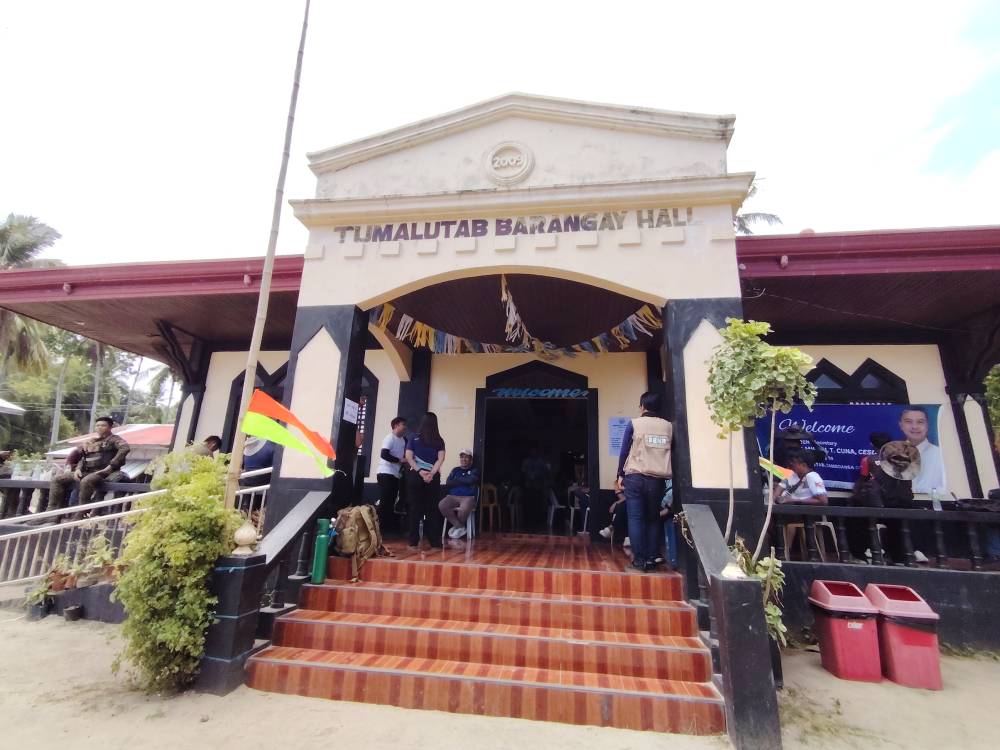
Acting Environment Secretary Juan Miguel Cuna personally visited Tumalutab to inspect the project, one of six pilot sites under the WRMO’s 2025 rollout.
Created in 2023 through an executive order signed by President Marcos, the WRMO marked a shift in approach—from protecting water resources to delivering safe water directly to underserved communities.
“We don’t just protect the water. We are now bringing it directly to the people,” Cuna says during his visit on March 31.
According to him, the project addresses more than access. It reduces costs, improves health and strengthens the island’s resilience against disruptions like storms.
Cases of water-related illnesses have begun to decline, and the community now manages the system through a local water enterprise, ensuring its sustainability.
The journey began in 2024, when the barangay partnered with the DENR-WRMO, providing a site, personnel and local management. By 2025, the system was in place—quietly transforming everyday life.
Across the Philippines, more than 2,300 island barangays face similar challenges. Tumalutab is one of the first steps in a P485-million roadmap to close that gap, with similar systems already benefiting nearby islands like Tumitus and Manalipa.
But on Tumalutab, the transformation is not measured in numbers. It is measured in mornings that no longer begin with waiting.