








Tourism, conservation meet in Masbate’s Manta Bowl

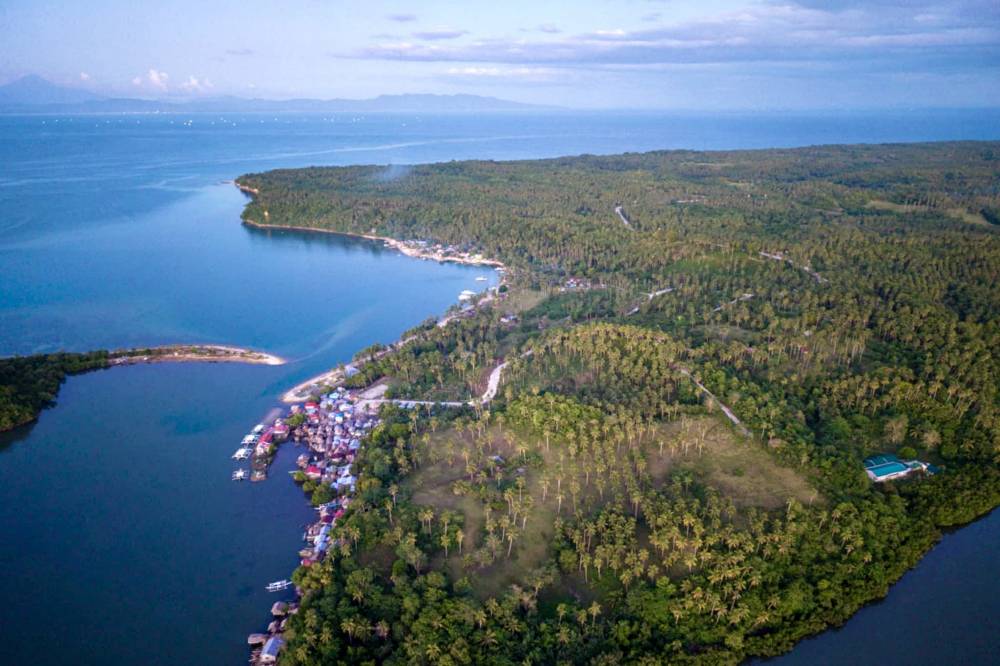
LEGAZPI CITY — When Rico Calleja slips beneath the waters off Ticao Island in Masbate province, he knows there is always a chance of a breathtaking encounter.
For the diving instructor, each descent into the sea near the famed Manta Bowl brings the possibility of seeing one of the ocean’s most graceful giants—the reef manta ray.
The Manta Bowl, a dive site within the Ticao–Burias Pass Protected Seascape in San Jacinto town, has become one of the country’s most notable destinations for marine wildlife tourism.
Known as a “cleaning station,” the site is where reef manta rays (Mobula alfredi) regularly gather as smaller fish remove parasites from their bodies—giving divers a rare opportunity to witness the gentle giants up close.
The presence of these majestic creatures has steadily drawn tourists to Ticao Island while reinforcing the need to protect their fragile marine habitat.
For Calleja, who has been diving for more than two decades, the experience never gets old.
“As a diver for 25 years, I am always excited to see and swim in the shadow of this gentle species,” he tells the Inquirer.
“Could you imagine how big it is? It is a rare experience that can be shared and told with pride,” he adds.
Beyond the thrill of the encounter, Calleja says his experience also reminds divers of their responsibility to protect the waters.
“Tourists come to Ticao Island Resort, the first dive resort on the island hosting LAMAVE and pioneering dive tourism in the area and manta protection for a couple of years. It is also an opportunity for the islanders to become dive professionals, to see them, but they also learn to respect them—not to fish them and just let them enjoy their freedom,” he shares. LAMAVE stands for Large Marine Vertebrates Research Institute Philippines, a non-government organisation dedicated to the conservation of marine megafauna.
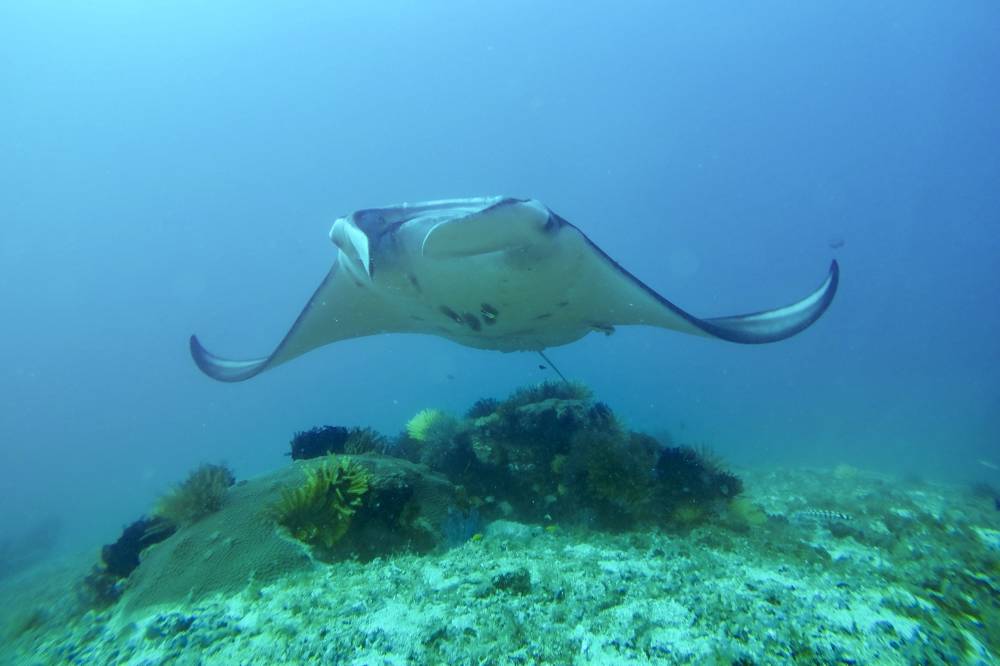
Rare experience
For Department of Tourism Bicol Director Herbie Aguas, diving in the Manta Bowl offers a rare and unforgettable experience.
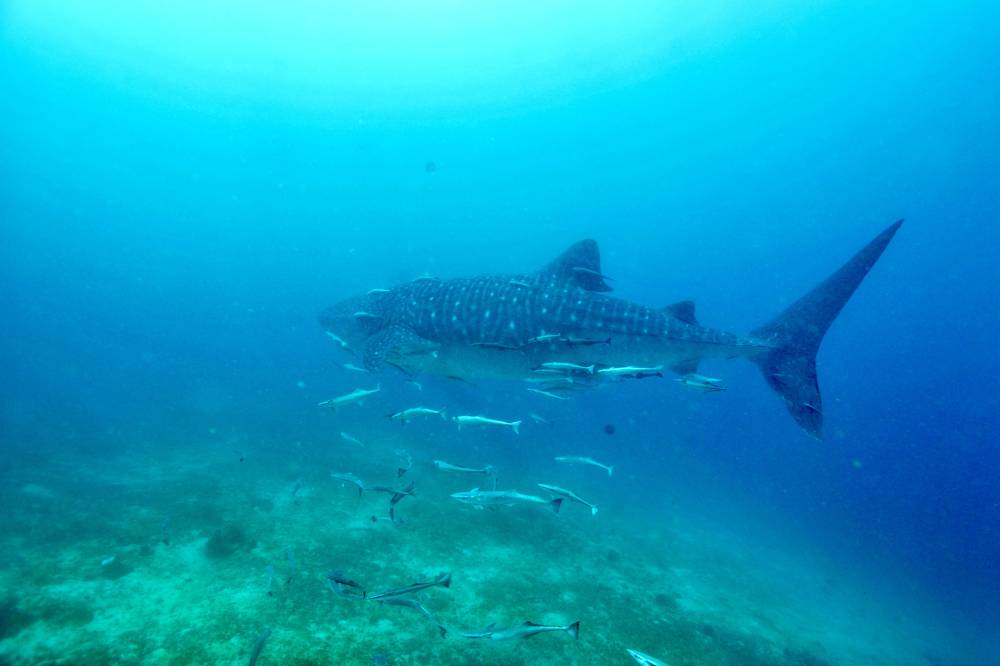
“Swimming and witnessing these creatures (manta rays and butanding) up close in their natural environment is something you cannot easily buy,” Aguas notes.
According to him, the Manta Bowl is a self-supporting tourism activity: the more the manta rays are protected, the freer they become, and eventually, their population multiplies, attracting more tourists.
Research by the LAMAVE highlights the importance of the area for manta ray populations.
Based on monitoring conducted by dive shops, citizen science, and other reports by researchers from 2004 to 2020, there were 1,710 manta ray sightings in San Jacinto, with 284 individual reef mantas identified through photo identification (photo-ID).
Across the Philippines, researchers documented 2,659 sightings involving 499 manta rays across 22 sites—placing the Ticao–Burias Pass among the country’s four key manta ray hotspots.
The reef manta ray is currently listed as Vulnerable on the International Union for Conservation of Nature (IUCN) Red List, underscoring the need for stronger conservation measures.
Recognizing its ecological importance, the area has also been designated as an Important Shark and Ray Area (ISRA).
Titus Cañete, program manager of LAMAVE, said authorities are exploring ways to strengthen protection for the Manta Bowl.
“The site currently falls under a multiple-use zone, and scientific data are still being gathered to help inform future management decisions,” Cañete states.
“Right now, we are collecting information that can support the proper zoning and management of the Manta Bowl, including understanding what activities may be compatible with protecting manta rays and their critical habitats,” he adds.

Consultation
Cañete believes that any future management measures should be developed through consultation with relevant authorities and local stakeholders, including consideration of community needs and livelihoods.
Recent surveys conducted in 2025 indicate that manta rays in the area continue to interact with fisheries.
“Some individuals were observed entangled in fishing lines or bearing wounds consistent with past fishing-related injuries. Although the exact locations of these encounters remain uncertain, researchers say the observations highlight the importance of protecting critical habitats such as the Manta Bowl’s cleaning station—a unique site where manta rays repeatedly return,” Cañete shares.
Rousel Balaoro, chief of the Coastal and Foreshore Management Section of the Department of Environment and Natural Resources (DENR) in Bicol, says safeguarding the Manta Bowl requires cooperation among government agencies, researchers, and the local community.
She said the Protected Area Management Board (PAMB), together with the San Jacinto local government, national agencies, research groups, and private stakeholders, helps oversee conservation efforts in the protected seascape.
Networking
“We have implemented several measures to protect the area,” Balaoro notes.
“These include seaborne patrols and enforcement activities aimed at preventing illegal fishing and other destructive practices.”
The DENR also conducts consultations through the Protected Area Management Office to discuss policies and management strategies for the Manta Bowl.
Balaoro said the agency is implementing programs under its Coastal and Marine Ecosystems Management Program, including monitoring mangroves that serve as important habitats for marine life.
“Marine protected area networking is also active through coordination with local government units,” she said, adding that the agency regularly conducts information and education campaigns on marine resource protection.