









Untangling the ‘balikbayan’ box pileup at BOC

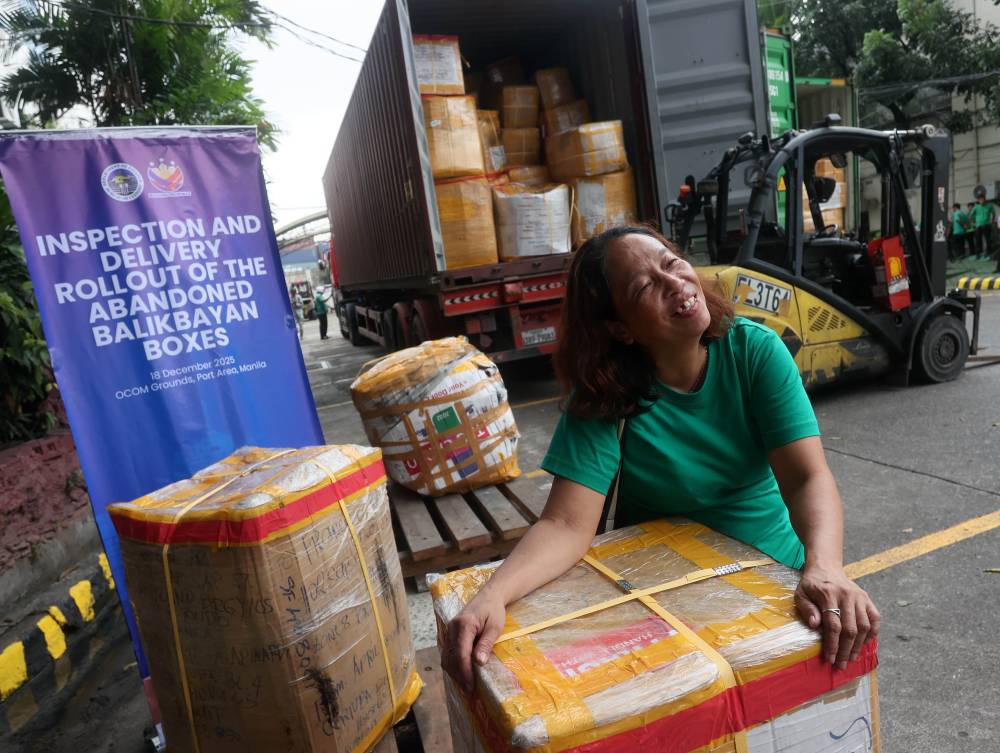
On average, hundreds of thousands of “balikbayan boxes” enter the Philippines every year, carrying not just gifts, but the love and sacrifice from overseas Filipino workers (OFWs) to their families.
Thousands of these boxes, however, have been abandoned, some sitting in warehouses for nearly three years. Their contents have been spoiled, damaged, or no longer usable, yet families at home still eagerly await receiving them.
Jesus Nesperos, 53, was one of those OFWs who would dutifully fill up a box with gifts and personal items over several weeks to send to his family back home. “I would buy one item every payday so I could save up and fill a box before sending it,” he said in Filipino.
Nesperos worked as a mechanical draftsman in Doha, Qatar, for nearly two decades. This year, he returned to work in the Philippines for the same Qatar company, but some boxes he sent in April 2025 have yet to arrive.
Logistics nightmare
“My kids would ask me every week when the boxes will arrive,” he said.
For OFWs like Nesperos, the arrival of a balikbayan box is like a promise fulfilled and represents their years of hard work, longing and hope.
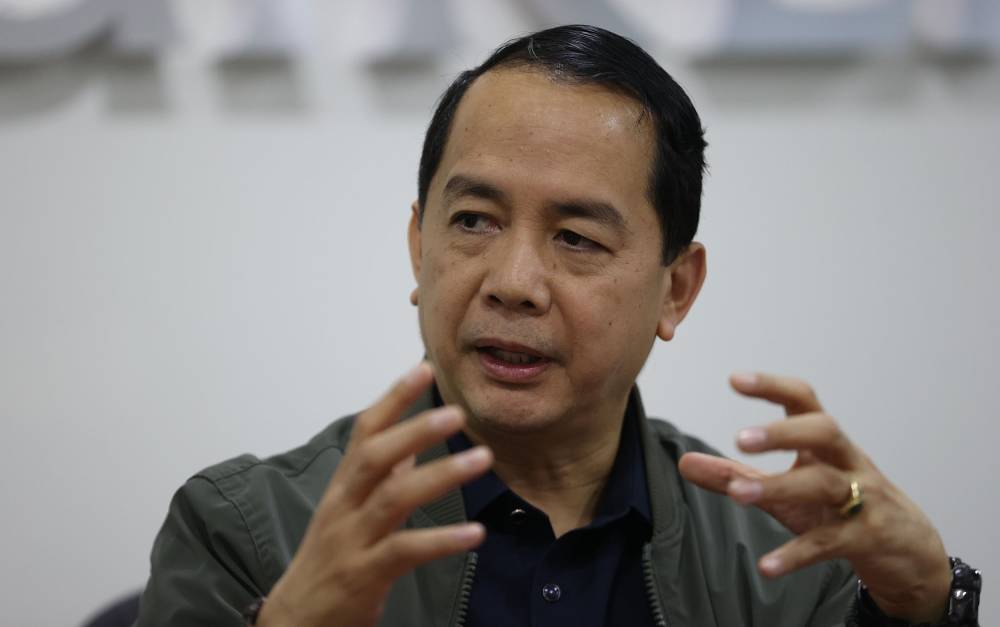
Bureau of Customs (BOC) Commissioner Ariel Nepomuceno said the issue is not merely about delays, but also about fraud and mismanagement.
In a recent roundtable discussion with the Inquirer, Nepomuceno noted that many abandoned boxes came from consolidators abroad and “deconsolidators,” or last-mile logistics service providers in the Philippines who failed to settle shipping charges, customs fees, and government dues.
“When I checked the websites of those who did the import, the BOC appears to be pending,” he said. “When the shipments arrive here, their partner deconsolidators don’t file even a single document with customs. In short, nothing was taken care of. That’s why these boxes are considered abandoned.”
Millions involved
Initially thought to involve a few hundred boxes, the BOC investigations revealed a minimum of 54,000 boxes, potentially affecting up to 100,000 families across Davao, Cebu, Clark, Subic, and Manila ports. That is about 140 containers of abandoned shipments.
Nepomuceno said OFWs often turn to more affordable shipping options, paying from $80 to $90 (about P4,700 to P5,300) per box instead of $120 (P7,000), hoping to stretch every dollar.
However, when shipping companies neglect their responsibilities, it is the OFWs’ sacrifices that are put at risk
Nepomuceno estimated that the total amount lost to fraud and mismanagement is a staggering P300 million, with P200 million collected by unscrupulous operators.
The BOC chief said 11 companies were behind this, with Makati Express Cargo Inc. handling 80 percent of the abandoned shipments.
Nepomuceno said he immediately suspended the deconsolidators involved, barring them from transacting with the BOC. But he explained that some of the companies were foreign-registered, limiting the BOC’s authority over them.
In those cases, he said, the most they could do was coordinate with the respective embassies and seek assistance.
While the foreign firms have expressed willingness to help, Nepomuceno noted that there has been no strong push from them. He added that he was looking at filing cases against these companies with the National Bureau of Investigation.
Nesperos shared that Makati Express used to be a trusted shipper, noting that he and other OFWs used it for years.
Before the abandonment issues, he said, shipping only took 45 days, and it was relatively cheaper, too.
In December 2025, the BOC began forwarding the abandoned balikbayan boxes to waiting families.
The bureau said some port and related fees were waived, while delivery or forwarding costs to families were shouldered by the Office of the President.
Received
The distribution has been nearly completed, with just over 50 of the 140 containers remaining in Manila, while shipments bound for the Visayas and Mindanao have already been released to forwarders’ warehouses.
The BOC also established a Balikbayan Action Center to assist stakeholders and ensure abandoned shipments were properly documented and, where possible, returned to their rightful owners.
OFWs, like Nesperos, have reported finally receiving some or all of their boxes. He was still waiting for two drums and one box, but the first three boxes he sent had already arrived—10 months later.
While some items were damaged, including a broken computer screen, most of the contents were intact, and the bicycle he bought was now being used by his family.
In a Makati Express Cargo Complaints Facebook group with more than 18,000 members, other OFWs shared similar relief, expressing gratitude to forwarders, customs, and the government for helping them out.
“I thought it would never arrive; it felt like a weight had been lifted,” one member wrote.
In limbo
Still, many remain in limbo, anxiously checking shipment lists and waiting for their cargo numbers to finally appear among those scheduled for delivery.
And while some of these boxes contained items that were no longer usable, no longer the right size for babies—now toddlers, their delivery still brought relief to the families who had been waiting.
For them, these are not just shampoo bottles, lotions, and chocolates neatly labeled with “Ate,” “Kuya,” “Junjun,” “Mama,” “Tita,” etc. But they symbolize the sacrifices of OFWs who have left home to toil in foreign lands and bought with their hard-earned wages as a reminder that, despite the distance, they are thinking of those they have left back home.