







Where freedom once found its voice

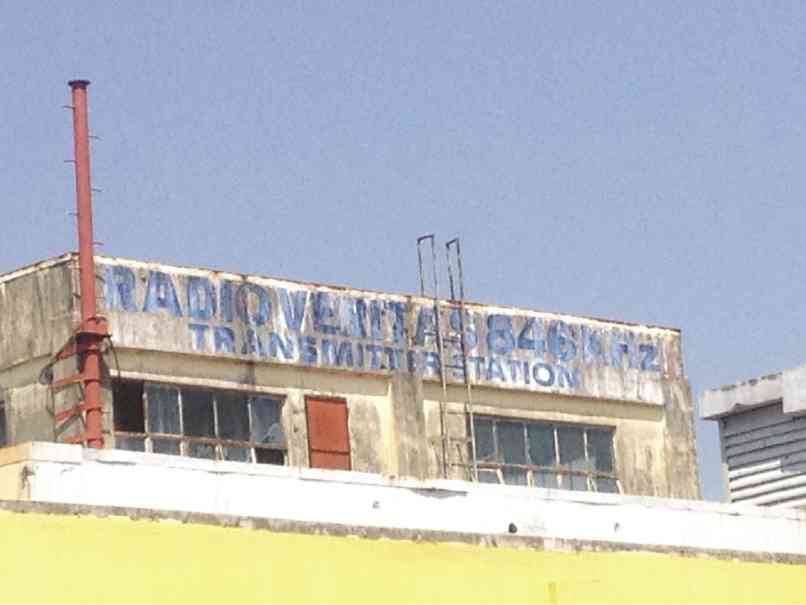
CITY OF MALOLOS—Forty years after it played a crucial role in the 1986 Edsa People Power Revolution, the former Radio Veritas transmitter site in Dakila, Malolos, stands not only as a weathered structure but as a powerful reminder of how ordinary citizens once united to defend democracy.
Though time and neglect have left the building visibly worn—its once-bold “RADYO VERITAS 846 TRANSMITTER kHz” signage fading and bullet marks still etched on its walls—the site remains deeply embedded in the province’s collective memory.
It was here, on Feb. 23 and Feb. 24, 1986, that government troops attacked the facility following the late Cardinal Jaime Sin’s historic call urging Filipinos to gather at Edsa and protect military officials who had broken away from the Marcos regime.
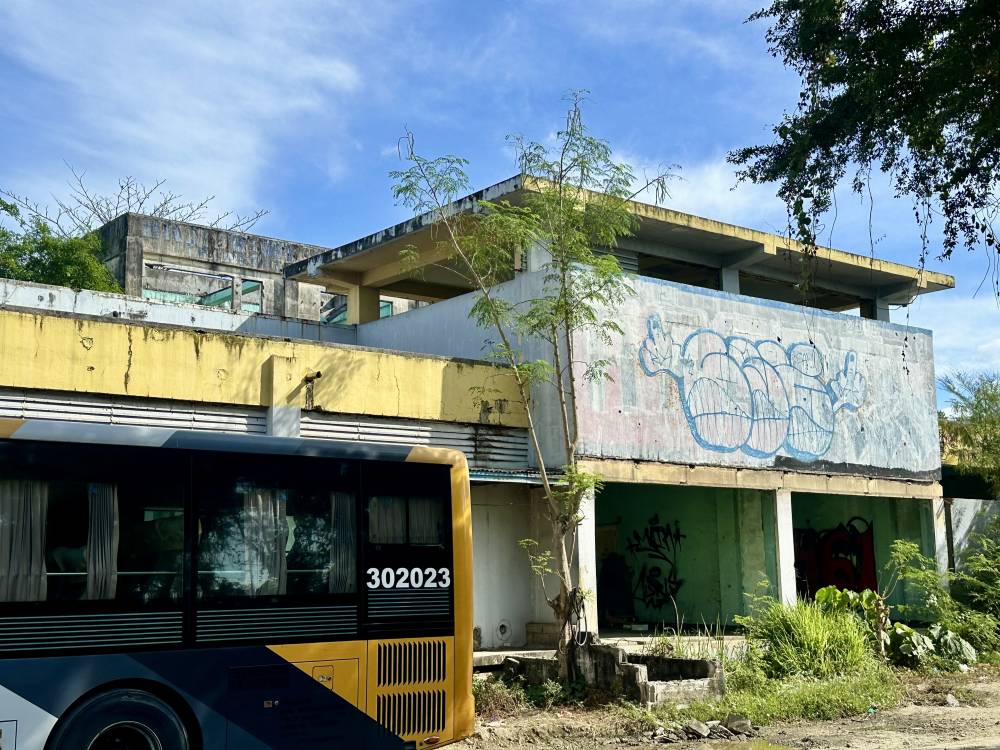
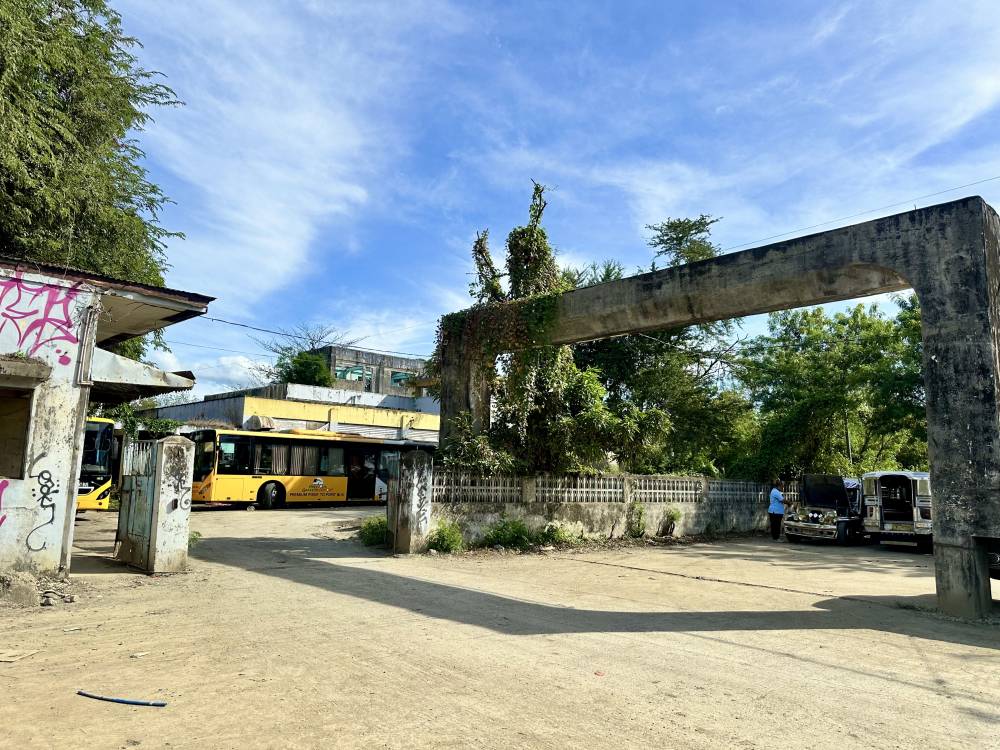
Today, the property along MacArthur Highway has found temporary new life. Portions of the compound now serve as terminals for point-to-point buses traveling between Robinsons Malolos and Trinoma in Quezon City, as well as jeepneys plying the Hagonoy-Robinsons route. Plans are reportedly underway to develop part of the lot into a commercial complex in the coming years.
Originally built by the Roman Catholic Archdiocese of Manila in the 1960s and inaugurated in 1969, the transmitter facility was abandoned in 2011 after operations transferred to a new site in Bulakan town. The property was later repurposed into the Colegio de San Jose, though in-person classes have yet to resume since the pandemic.
Despite the changes, many residents hope the site’s historic role will not be forgotten.
National heritage
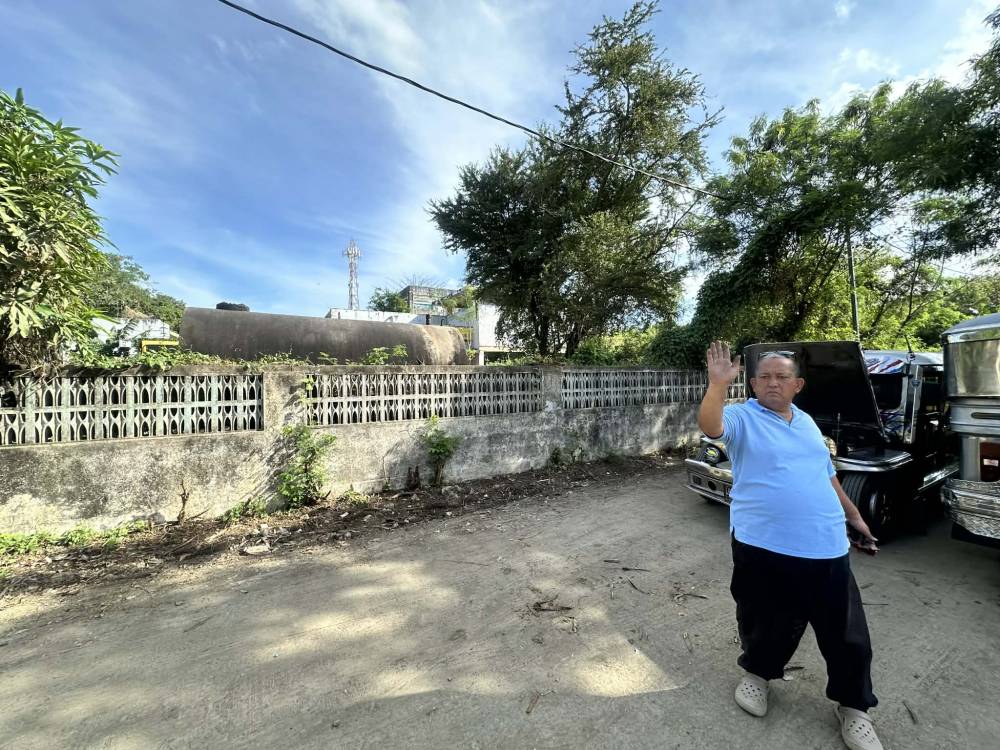
Malolos Mayor Christian Natividad expresses his wish that the transmitter be declared a national heritage property, which would allow preservation and development efforts to move forward.
“That is not a government property, and there is no formal declaration yet for us to intervene,” Natividad shares, adding that heritage recognition would open the door to conservation support.
Former technician Antonio Medina vividly recalls how soldiers destroyed the transmitter equipment using axes and metal pipes, forcing the station off the air.
Yet even after the attack, broadcasts continued through an auxiliary setup later known as “Radyo Bandido,” helping sustain the momentum of the peaceful uprising.
Residents who witnessed the events as children and students still remember the fear—but also the unity—of those days.
A high school senior ball at the then Bulacan College of Arts and Trade was abruptly halted when gunfire echoed nearby. Families huddled together as uncertainty gripped the city.

Symbol of courage
For many, however, the transmitter site symbolizes courage rather than destruction.
Dr. Myla Tolentino, who was a student in 1986, says she is reminded of the spirit of People Power whenever she passes the building.
“It’s a big part of our history,” she tells the Inquirer, expressing hope that any future development will preserve the structure as a memorial—much like other heritage-integrated commercial projects elsewhere in the country.
Four decades later, the aging transmitter may no longer broadcast over the airwaves, but its story continues to resonate—a testament to faith, unity and the enduring power of citizens who once stood together to shape the nation’s future.
******
Get real-time news updates: inqnews.net/inqviber