










Zambales lighthouse eyed as heritage, tourism site

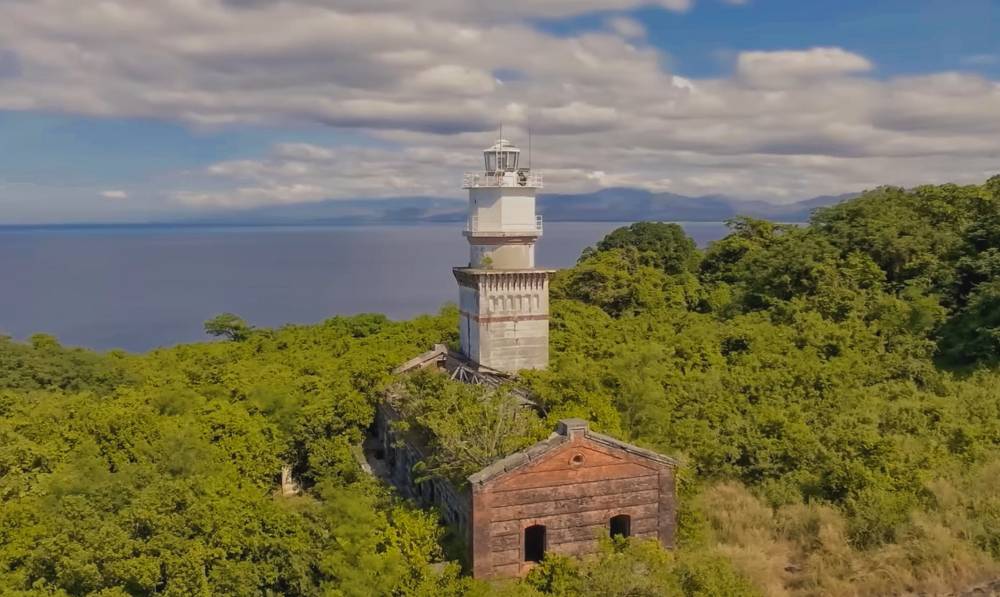
SAN ANTONIO, ZAMBALES—The Faro de Punta Capones, or Capones Island Lighthouse, has stood as this town’s beacon for sailors since 1890, when it was built during the twilight years of Spanish occupation of the country.
Its lamp still beams light but through the passing of time, its immediate surroundings are overgrown with vegetation that threatens to take over its place and bury the facility’s historic significance.
But not for long, after local authorities here are now taking steps to restore the 135-year old structure, with the twin goals of heritage preservation and tourism development.
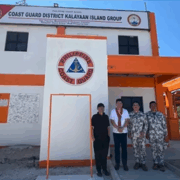
Mayor Arvin Antipolo, who recently visited the lighthouse with several municipal officials and personnel from the Philippine Coast Guard (PCG), said initial assessments have begun to document the remaining materials of the complex.
“To measure the area and document what was left, we went up. Some materials are already gone, the fence and the spiral staircase going up are still there, though heavily rusted,” Antipolo noted.
Currently, research, coordination and planning are underway for the Capones island site.
“These first three steps will take a year. If we start now, execution [of the plan] can begin in the first quarter of 2027,” Antipolo said.
Planned amenities
The mayor envisions the lighthouse as more than a historical site. According to him, the complex can have a restaurant with a “glamping” or glamorous camping site on the side, offering visitors a panoramic view—on the wide horizon the West Philippine Sea and a good vantage of the Zambales mountains.
“Access is a challenge because boats cannot approach during low tide, so we may need a floating dock in the future,” Antipolo said.
The lighthouse is accessible by boat from either Barangay Pundaquit or Barangay San Miguel, with the trip typically taking some 30 to 40 minutes, depending on the tide and weather conditions. Visitors usually arrange boats through local operators, especially those serving nearby beaches and tour sites.

Another challenge, the mayor noted, is transporting construction materials to the site.
“The idea is to coordinate with the PCG and the Philippine Navy to help airlift the materials using a helicopter. They usually do this for their equipment, so if it is part of a training exercise, it becomes feasible. Otherwise, logistics alone would cost millions [of pesos],” Antipolo explained.
Built in 1890, the facility in Capones is one of the few surviving Spanish-era lighthouses in the country. Its lamp was originally equipped with a first-order fresnel lens and served as a key navigational aid for ships entering Subic Bay or traveling to Manila and beyond.
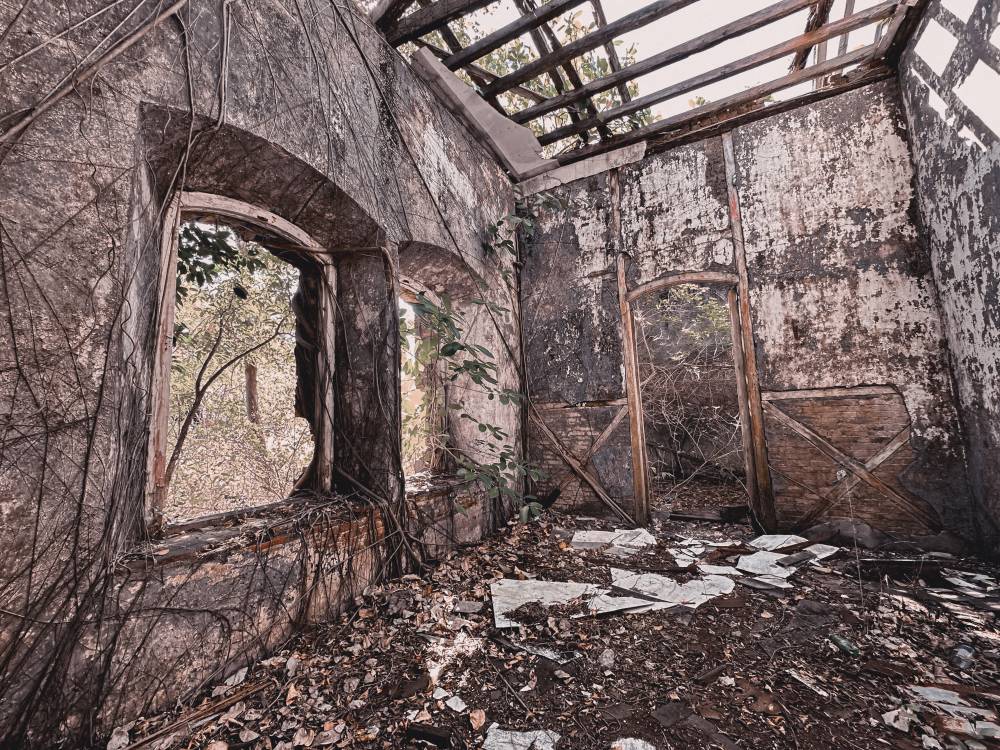
To keep the lighthouse operational, the PCG had installed modern equipment and continued the upkeep on the tower. But the keeper’s house and other structures, which are built with bricks, have deteriorated over time from disrepair.