






A reset for PH

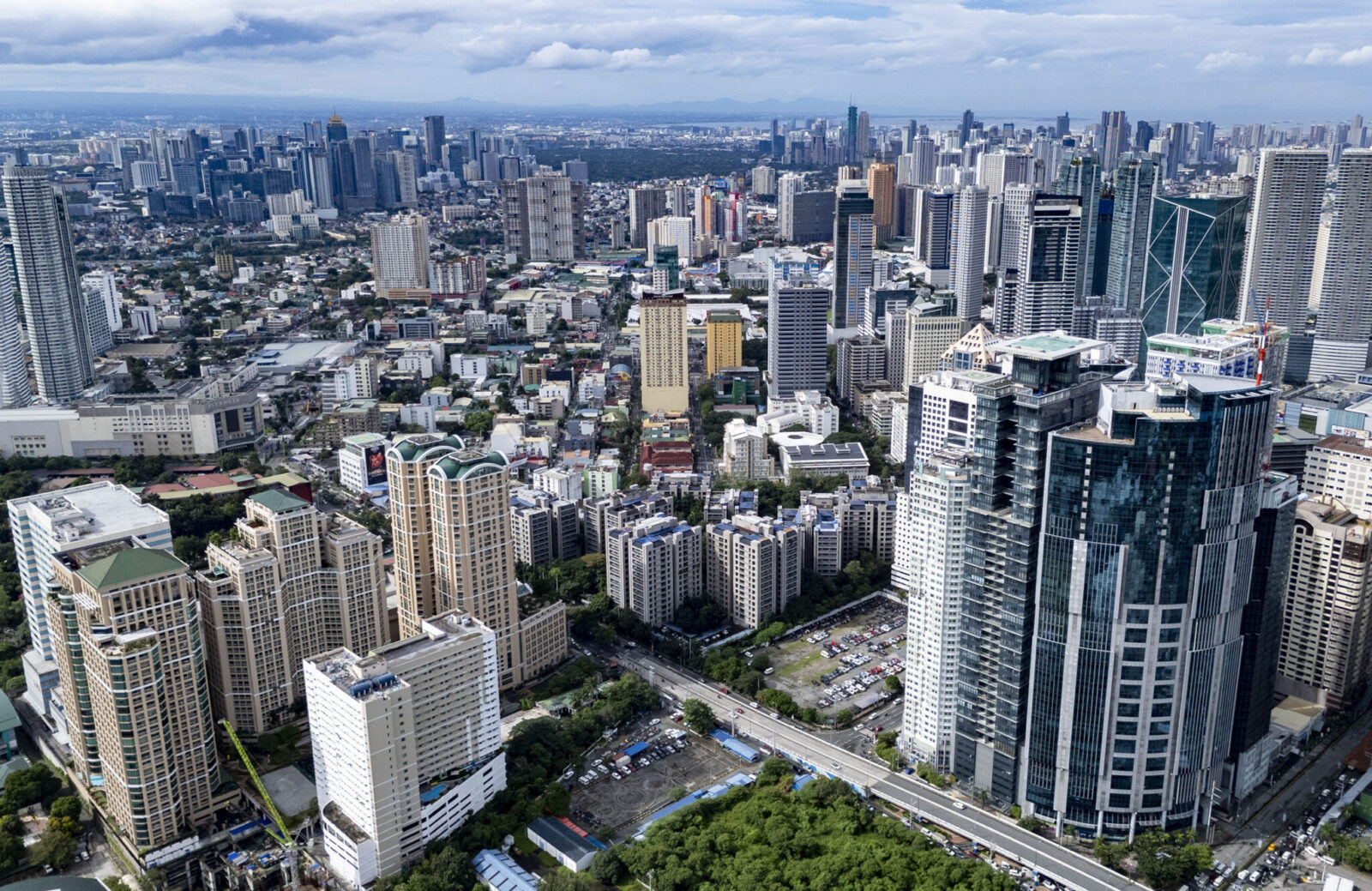
Easter symbolizes renewal and new beginnings, a resurrection, or, in more modern terms, a comeback, a reboot, or a reset.
It is a time not only for self-reflection but for national reckoning, given developments that affect Filipinos from all walks of life: the Middle East war and the ensuing oil crisis and inflation, systemic plunder in government, and the erosion of values that threatens the country’s future.
Issues related to these topped the latest Pulse Asia Research’s Ulat ng Bayan released on March 16, with 59 percent of Filipinos wanting the government to control inflation and 47 percent pushing for graft and corruption to be addressed.
The other pressing concerns were increasing workers’ pay (36 percent) and reducing poverty (21 percent), and creating more jobs (21 percent). These economic-related concerns have become even more urgent with the impact of the global oil crisis on prices of basic commodities and on jobs.
The survey was conducted from Feb. 27 to March 2, when the United States-Israel war against Iran had just erupted, and there were hopes for de-escalation. It has since blown into a full-scale regional confrontation with no prospects for a diplomatic resolution.
Protection of OFW welfare
Among those bearing the brunt of the war are overseas Filipino workers (OFWs), particularly those in the United Arab Emirates, which has started laying off workers. There are about 700,000 Filipinos there employed across various industries, including health care, services, hospitality, and construction. There is no immediate information on whether OFWs have been affected, but they certainly won’t be insulated from this. And for a country whose main export is human capital, this will impact overseas remittances that have propped up the economy for decades.
Interestingly, its protection of OFW welfare has earned high marks for the Marcos administration in the Pulse Asia survey, with an approval rating of 53 percent. Among the 18 issues listed, this was the only item where the current dispensation received a majority approval rating.
On the other hand, 73 percent of Filipinos surveyed were critical of the administration’s handling of inflation control, poverty reduction, and the widespread sale and use of illegal drugs.
A definitive reckoning
But a common thread in many surveys, particularly those conducted during the Marcos administration, is the growing concern over corruption—an issue only upstaged by the war on drugs in the previous administration, for which former President Rodrigo Duterte is now being tried at the International Criminal Court in The Hague, Netherlands.
Corruption has plagued the country for decades, taking away much-needed funds from public coffers for crucial services. Last year, alleged corruption in flood control projects erupted into full-scale investigations, exposing a deeply entrenched system that involves high government officials and private contractors.
The frustration, however, for many Filipinos, is how the progress of the cases appears to have stalled following the high-profile investigation of the Senate blue ribbon committee and the Independent Commission for Infrastructure.
To be fair, the Anti-Money Laundering Council, per an Inquirer report earlier this month, has managed to freeze P27.8 billion worth of assets linked to the alleged scheme; this involves 862 individuals and 648 entities, including 7,970 bank accounts, 219 real properties, 253 motor vehicles, and 11 aircraft. But what the Filipino public wants to see is a definitive reckoning in court and in jail for those involved in the scheme as a fitting conclusion. Failure to do this would further deepen the distrust that has been building against institutions supposed to protect national interests.

Institutionalized kleptocracy
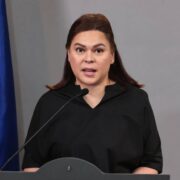
The impending impeachment trial of Vice President Sara Duterte is another test case on the resilience of the country’s checks and balances and the independence of its democratic institutions. That a high official has yet to account for millions of pesos in public funds, yet continues to enjoy massive support and high trust ratings, is a perfect example of the cognitive dissonance that has been plaguing the Filipino people.
This is where a national reckoning needs to take root in—the concern over government ineptitude, particularly corruption, must reflect in the collective demand for accountability and transparency, and be exercised during elections.
Two years from now, Filipino voters will elect a new president and vice president who will lead the country in the next six years.
These new leaders will be dealing with issues hounding the country now, including the impact of the Middle East conflict that will be felt for years and the institutionalized kleptocracy that needs to be uprooted.
It is crucial that Filipinos choose carefully and do not squander this chance to hand the reins of governance to competent leaders who can reset the country out of its economic and moral slump.