






Action against corruption is for human rights

This week, we mark significant milestones in the global pursuit of justice and accountability: International Human Rights Day on Dec. 10 and International Anti-Corruption Day on Dec. 9. These twin international celebrations for a fair and equitable society are intricately linked, as corruption often undermines human rights, and the protection of human rights is essential to preventing corruption. We are reminded that the fight against corruption is, in essence, a fight for the rights of individuals to live with dignity and freedom from oppression. The international community’s recognition of these interconnected issues underscores the need for collective action to ensure that governments and institutions serve the people, rather than the interests of the powerful and corrupt.
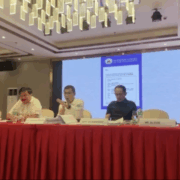
Incensed by record-breaking levels of corruption over the past three years, stalwarts and friends of the Coalition Against Corruption—originally launched on Sept. 21, 2004—came together aptly on the morning of Dec. 9 to consider a proposition to reorganize this platform for action. The original CAC aimed to strengthen public participation in governance and ensure the proper use of public funds, and was provided secretariat support by the Makati Business Club (MBC). It brought together the academe, business, and civil society to implement and support anticorruption projects, particularly in the areas of procurement and the delivery of essential services. In 2010, the MBC, together with other business groups, shifted focus to the Integrity Initiative project with the aim of promoting ethical business practices and good corporate governance. Sadly, by the 2016 takeover of government by the Duterte administration, both these efforts slowed down almost to hibernation mode. Integrity and anticorruption were put on the back burner.
Fifteen individuals representing various groups responded to the call of Eric Alvia of the National Movement for Free Elections to come together and there was consensus that it was high time to reconvene the coalition to possibly do three things: support and amplify the work already being done by various groups on the budget process, procurement, monitoring, and evaluation; push for accountability in high profile cases; and craft solutions to the sustainability issues of ongoing initiatives. What became very clear was that groups like MBC, Namfrel, People’s Budget Coalition, Tapat, and others, as well as a host of volunteer Filipinos based here and abroad, were doing a lot of the spade work needed for our country, its leaders, and its citizens to gain a grip on this advanced-stage corruption cancer that we have been talking about in this column.
Ken Abante and his team of angry nerds—volunteers here and abroad using tech to expose and fight corruption—see an informed and equipped citizenry as the immunity boost needed to fight and beat the nation’s corruption cancer. Giving people access to online, user-friendly tools is what BetterGov.ph and Bisto Proyekto hope to achieve. These online tools make it easier for the media to sift valuable information to expose corrupt practices, for Church-based volunteers to identify projects, raise red flags, and demand action, and for ordinary citizens to understand how the national budget impacts their lives.
Every Filipino has rights enshrined in both a global charter and in our Constitution. Corruption takes away health care, education, and better shelter from countless Filipinos. As climate change impacts bear down on our country, every citizen deserves to feel safer or at least know that the government is doing all it can to mitigate disaster risks. When flood control projects become ghost projects, the government becomes complicit in taking away the right to life of Filipinos swept away and drowned by worsening floods. When a patient dies in a rural hospital just because there was no oxygen tank available, that, too, is a right to life compromised because approved budgets did not include procurement of these tanks.
Corruption and human rights are linked so deeply that it makes perfect sense to mark them annually on consecutive dates. It is an inverse relation that groups like the Coalition Against Corruption can better make clear to all and call out for the government to take action on. Today’s unprecedented plunder of the nation’s coffers demands extremely urgent action from the government, because human rights violations are exponentially growing, too. The late Pope Francis best illustrated this link when he said, “Corruption is ultimately paid for by the poor.”
We pray that the government not only celebrates these twin milestone dates with banners at the gates of national agencies but also with action that holds the corrupt responsible for denying countless Filipinos their most basic human rights!
—————-

Peter Angelo V. Perfecto is the public affairs vice president of the Phinma Group and was the former executive director of MBC.
—————-
Business Matters is a project of the Makati Business Club (makatibusinessclub@mbc.com.ph)