







Deepening water crisis

While the world is currently reeling from an oil price shock, experts have warned for decades that the next global conflict will be fought over water.
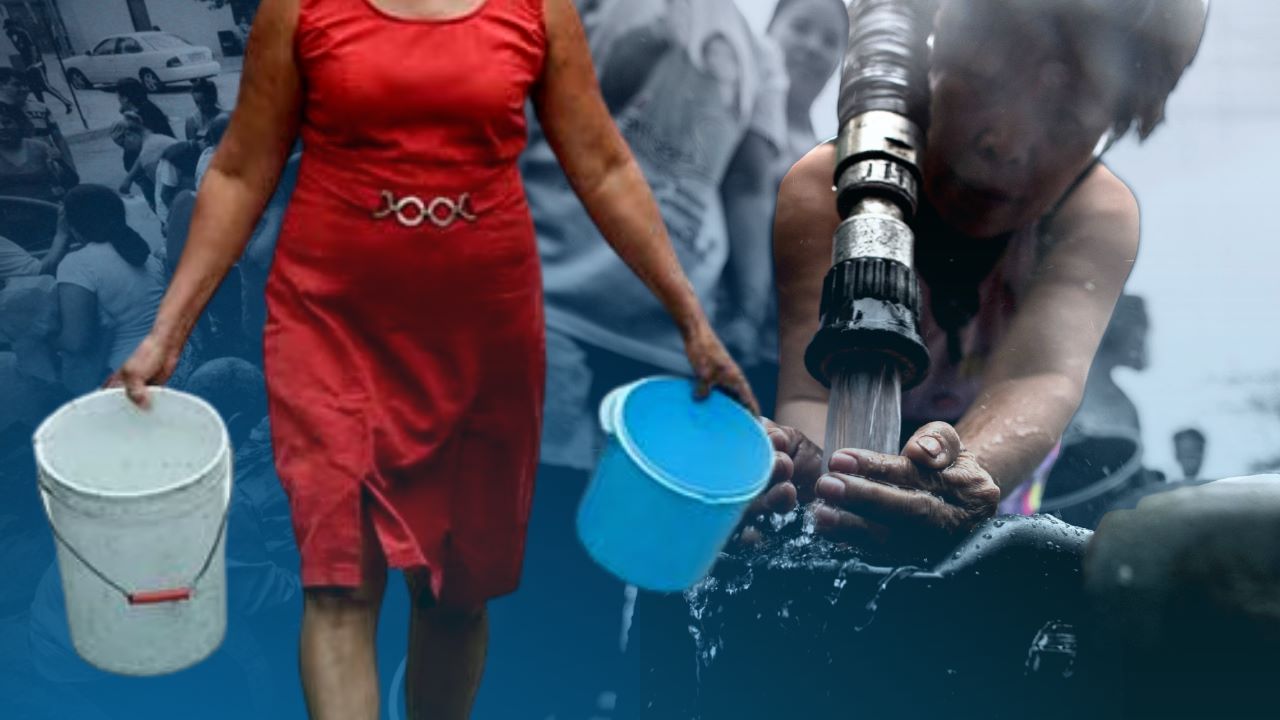
In the Philippines, however, the scarcity of this important natural resource has been ongoing for generations, with 40 million Filipinos still having no access to potable water. That is a third, or approximately 34 percent of the estimated 117 million population.
What should be an even bigger concern is the increase in “groundwater-stressed” areas across the country, which has jumped from nine in 1998 to 26 today, according to data from the Department of Environment and Natural Resources (DENR). This suggests that even more Filipinos will face dwindling access to critical water reserves that are essential to life and sustain our national food security. Adding to the stress on the country’s water resources is El Niño later this year.
Last week, acting Environment Secretary Juan Miguel Cuna said that 15 of the country’s major river basins “are being pushed to their absolute limits.” His statement that the country is now in a crisis where “wells are running dry” and “agricultur[al] engines are stalling” does not offer a positive outlook.
Water bankruptcy
“We are currently facing what we call water bankruptcy—a structural imbalance where our consumption far outpaces nature’s ability to replenish the tank,” Cuna had said.
The DENR estimates that around P250 billion in investments is needed to bridge the gap in basic water access nationwide, particularly in areas where prices of potable water are high because of the distance covered in their delivery.
Inquirer columnist Joel Butuyan recently wrote about how enviable it is in countries like Germany, where the quality of tap water is even higher than that sold commercially. In the Philippines, on the other hand, tap water is deemed not safe for drinking, so much so that supplying potable water has become a huge business. The ubiquitous presence of mineral water stations everywhere proves this, but also means that this has become a necessary expense for Filipinos instead of being a public service provided by the government. The expense may be minimal for others, but it could take a chunk from the living expenses of the poor.
Cause for concern
The DENR, however, has admitted that one of the biggest challenges it faces in making water accessible is the lack of funding. Environment Undersecretary Carlos Primo David lamented that the government’s fiscal resources in the past few years have been “very narrow” and the agency could only ask a “small amount” from the Department of Budget and Management. Doesn’t this reflect the importance, or lack of, that the government has placed on the conservation and management of water resources? This is unacceptable when studies have long pushed the government to pay attention to the issue.
A 2004 book, “Winning the Water War,” by the Philippine Institute for Development Studies and the Philippine Council for Agriculture, Forestry and Natural Resources Research and Development noted that “Projections up to 2025 show that the Philippines will still have the highest withdrawal as a percentage of annual water resources among Southeast Asian countries.” Even back then, it already warned that the country must prepare a water resources management plan “as water withdrawal will sooner or later catch up with the available water supply, given current trends.”

“[T]he current state of water resources in the Philippines should be cause for concern among policymakers. Water scarcity is serious enough in certain parts of the country, and the situation is not expected to improve unless efforts on both the supply and demand sides of water management are exerted,” it stated.
Landmark legislation
The problem remains unaddressed over two decades after that book was published. The country’s water management framework is still fragmented, mainly due to having several government agencies managing water resources. For example, different offices handle irrigation, drinking water, and flood control. This means that instead of managing water as a single shared resource, it is treated as a separate product depending on who is using it. But this should not be the case because, as former Environment Secretary Raphael Lotilla noted earlier, “the challenges surrounding water are interconnected and evolving.”
A long-pending proposal is the creation of a Department of Water Resources to solve the fragmented water governance and place under one primary agency the task of managing, planning, and regulating the resource. The House of Representatives has passed the measure on third and final reading in December last year, but its Senate counterpart bill is pending at the committee level.
President Marcos should push for this landmark legislation to get rid of the bureaucracy gridlock and streamline solutions to address the deepening water crisis that threatens a basic human right for millions of Filipinos.