







Fair shake for borrowers

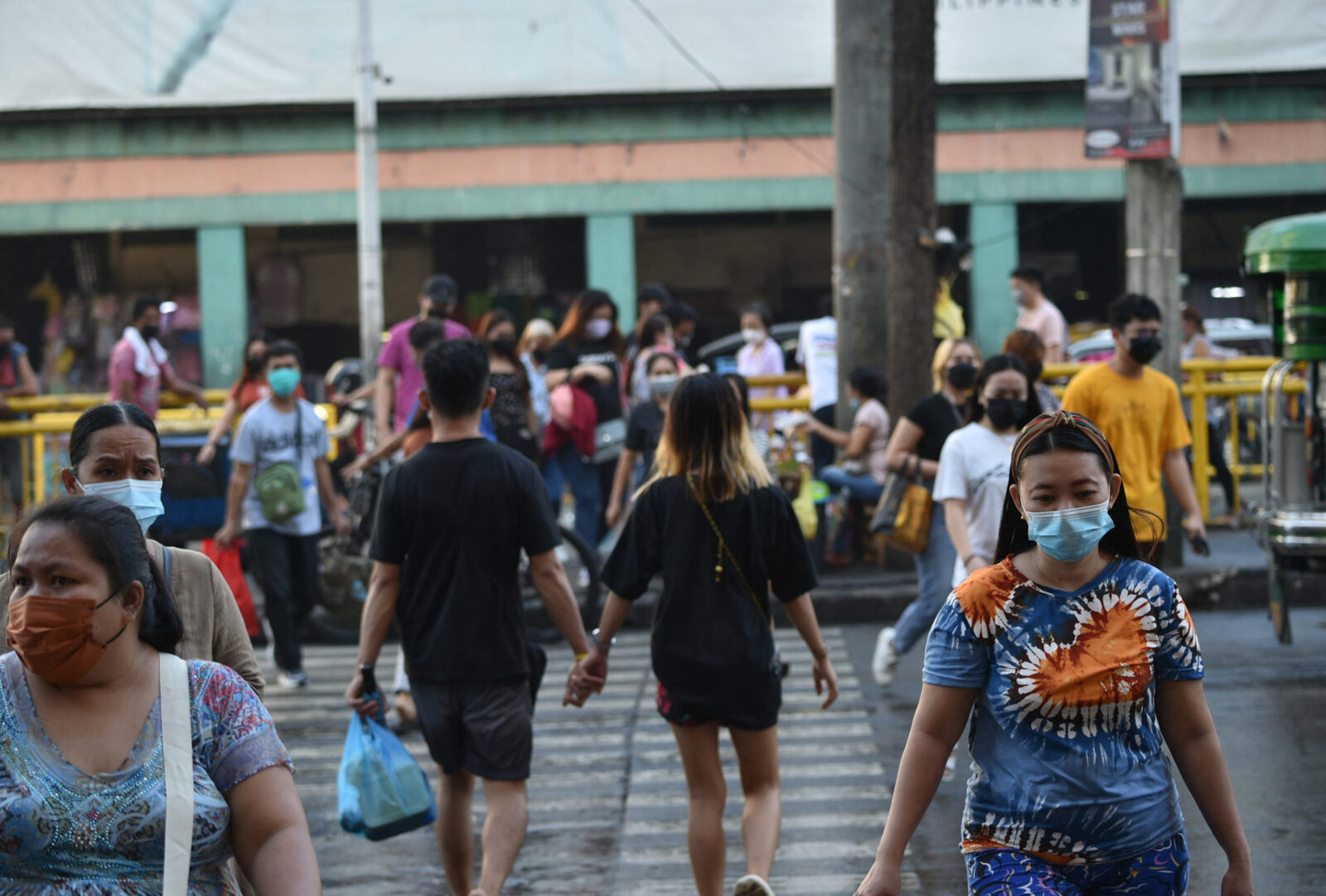
For many Filipinos, the experience can be brutal and traumatic: Faced with a financial emergency at some point in their lives, desperately needing money to buy food for their families, secure medicine, or pay a child’s tuition, they turn to unscrupulous lenders.
It used to be that such creditors were neighbors, or at least people known in the community—who, after lending out the money at interest rates higher than usual, would be seen going door-to-door and crisscrossing the town to claim payments. Much like the biblical tax collectors, the usurers of yesteryear usually had less than sterling reputations, but at least they were actual people that those in need could talk to personally, perhaps even beg for a reprieve.
The arrival of technology changed all that, as online lending applications (OLA) proliferated and people no longer needed to personally appeal to a neighborhood lender to obtain some cash. Digital lending apps, in fact, tout how quick and hassle-free it is to apply for loans from them, enticing anyone with a phone and some level of financial need to try out the service.
According to a study by Digido Finance Corp. released in January 2025, the total number of OLA downloads in the country was 73.5 million in 2024, a 56.4 percent increase. The local online lending sector itself expanded by 28 percent annually from 2013 to 2023.
Predatory interest rates
But here’s where the nightmare part comes in: Many OLAs lend money at predatory interest rates, resulting in scores of Filipinos finding themselves trapped in onerous debt. Interest rates can go as high as 40 percent a month—an exorbitant figure that many low-income Filipinos are left with little choice but to accept through gritted teeth.
Unknown to them, what they sign for are not only unreasonably high payments, but also the startling abuse, harassment, and intimidation that many OLAs have been found to deploy against borrowers unable to repay their ballooning loans.
The Presidential Anti-Organized Crime Commission (PAOCC) has reported that it has received 47,446 complaints of allegedly abusive behavior by companies operating online lending applications between August 2024 and January 2026. That number testifies not only to how widespread this insidious practice has become, but also to how many lending companies think they can get away with such malicious behavior.
How malicious? A previous editorial in this paper detailed the tactics: When clients are remiss in their payments, online lenders harass them into paying by “illegally using personal information such as photos, contacts, and online profiles to shame them. OLAs also resort to messaging coworkers and relatives with obscene or defamatory messages. Artificial intelligence or AI is also being used to put borrowers in lewd videos that are sent to their friends and officemates. Authorities also noted that some OLAs have used forged court orders to pressure borrowers into paying.”
Psychological toll
The PAOCC warned last year that the psychological toll of such unchecked tactics is significant. People already anxious about their inability to meet their obligations are subjected to greater stress—shamed at work or in their families, barraged with threats, and goaded into dangerous mental distress.
The Senate recently approved on third and final reading a bill that seeks to curb such rampant debt collection abuses. Senate Bill No. 1744 or the Fair Debt Collection Practices Act aims to protect borrowers from harassment, threats, and other unfair, abusive, or deceptive collection practices by lenders, while also ensuring that lending companies are able to recover debt and sustain their business through legal means.

This long-overdue measure should arm authorities to go not only after OLAs practicing unethical collection methods, but also the third-party entities they hire to do the actual dirty job of targeting borrowers through coercion and even outright violations of privacy laws.
Cruel practices
Aboy Paraiso, chief of the Cybercrime Investigation and Coordinating Center (CICC) which recently signed a memorandum of agreement with the PAOCC to strengthen the campaign against illegal online activities, said he had met with officials of the Online Lending Association of the Philippines to discuss the issue. He vowed that the CICC will go after OLAs that “operate without a license, or practice abusive collection behavior, or use misrepresentation or manipulation in their systems.”
The public will hold the agency to that promise. And while the government needs to crack down on rogue online collectors, Congress must work double-time to pass the law that guarantees hapless Filipino borrowers a humane, fair shake—especially given the perilous economic times when many more families and households are crushingly squeezed.
The desperation being felt by many need not be aggravated by maltreatment. Online lending entities are, of course, entitled to recover their money—but that is no license to engage in cruel practices they would not wish on their loved ones.