








Freedom of navigation

While thousands of kilometers away from home, many Filipinos might now be familiar with the Strait of Hormuz, as oil prices have skyrocketed as an offshoot of a distant war.
Iran has effectively blockaded the vital shipping lane in the Middle East, which carries a quarter of global crude oil and liquefied natural gas (LNG) supplies from the Gulf nations to the rest of the world. The chokehold has pushed crude prices from around $70 per barrel to more than $100 per barrel after the United States and Israel launched their war on Iran on Feb. 28, causing jacked-up fuel prices and supply disruptions in many countries heavily dependent on imported fuel.
The oil crisis is only expected to worsen as energy infrastructures in the Middle East have become targets in the three-week-old war. In retaliation for Israel’s attacks on its South Pars offshore natural gas field in the Persian Gulf, Iran has bombed a huge gas hub in Qatar and other targets in the Middle East.
The global economic impact of restricted shipping in the Strait of Hormuz has prompted US President Donald Trump to call on allies to help secure the passage, and to issue an ultimatum to Iran last Saturday to free the strait or risk more bombings. While spurning Trump’s calls to join the war against Iran, powerful countries—Britain, France, Germany, Italy, the Netherlands, and Japan—condemned Iran’s attacks on unarmed commercial ships in the Gulf and vowed “to contribute to appropriate efforts to ensure the passage through the Strait of Hormuz.”
Shortest sea route
Closer to home, the importance of ensuring freedom of navigation and unhampered access to vital maritime trade routes cannot be overemphasized. In some ways, the Strait of Hormuz mirrors the strategic importance of the South China Sea (SCS) to global trade and economic security.
According to the US Energy Information Administration, the SCS is one of the most important energy trade routes in the world, with almost a third of global crude oil and more than half of LNG passing through it. The Strait of Malacca, bordered by Indonesia, Malaysia, and Singapore, is the shortest sea route between the Middle East and East Asia, facilitating oil supply from African and Gulf oil producers to Asia, including China and Japan, which are its largest energy consumers.
About one-third of annual global trade, estimated at $3.6 trillion to $5.3 trillion worth of energy and manufactured goods, such as consumer goods, electronics, automobiles, and textiles, passes through the SCS with tens of thousands of cargo vessels navigating the 3.5 million-square-kilometer maritime region.
Nine-dash line
But with China claiming most of the SCS, to the prejudice of other claimant countries like the Philippines, it has become one of the major flashpoints for conflict in the region.
“An escalation of the conflicts in the South China Sea would be devastating to the global economy as the area accounts for 12 percent of the world’s fish catch, and more than 30 percent of all global maritime trade passes through it,” as noted in the Philippine Development Plan 2023-2028, the country’s blueprint for long-term development.
The strategic importance of the SCS to global trade and to the energy and food security of many countries makes the Philippines’ valiant efforts to counter China’s aggressive incursions even more significant.
The 2016 ruling of the Permanent Court of Arbitration, which nullified China’s expansive nine-dash line claim over the SCS and upheld the Philippines’ rights to its exclusive economic zone, has provided the basis for the rule of law in the conflicted region.
Moral courage
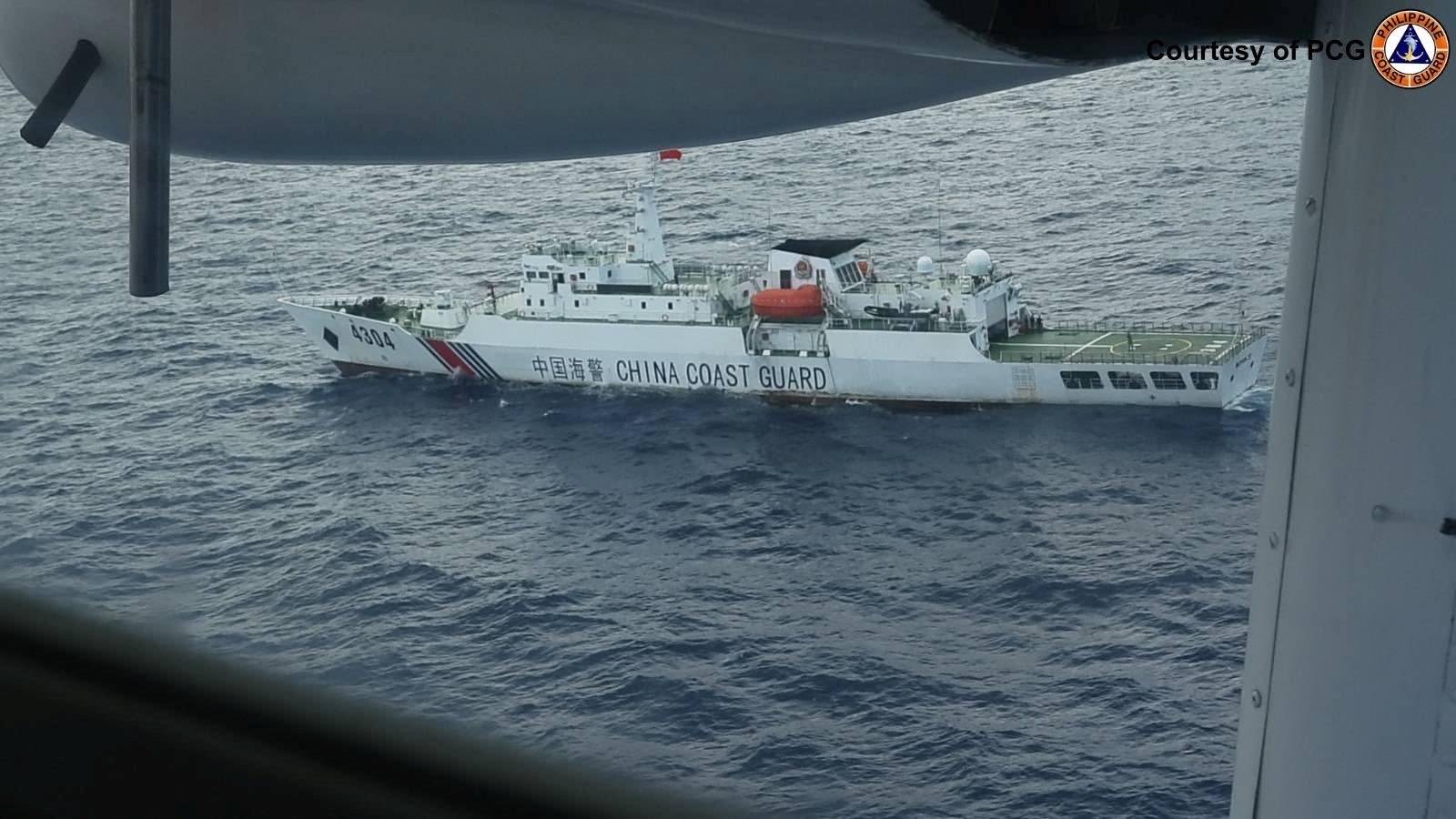
But China has adamantly refused to accept and abide by the arbitral ruling, and over the years has occupied and built installations on reefs in the region, most notably in the West Philippine Sea (WPS). In the past several years, the regional behemoth has intensified its blockades of reefs and harassment of Philippine ships and Filipino fishermen, driving them away from their traditional fishing grounds with water cannons.

The Marcos administration has stood by the country’s rightful claim in the WPS and upheld the arbitral ruling that the Duterte administration set aside in favor of closer ties with China in 2016. Its unified and concerted policy to repel Chinese incursions has acquired increasing importance amid the global geopolitical upheavals, providing a strategic defense not only for itself but for other nations in the Asia-Pacific.
The Association of Southeast Asian Nations, chaired this year by the Philippines, must summon the moral courage to finally conclude the long-delayed Code of Conduct in the SCS to resolve the simmering conflict in its own backyard.
Similarly, countries with a stake in peace and security in the SCS must continue to add their voices and presence if the so-called free and open Indo-Pacific were to become a reality and not merely rhetoric.
******
Get real-time news updates: inqnews.net/inqviber