




Green transition for a better future


The European Union and the Philippines share a common interest in each other´s prosperity and security. Green transition and sustainability of both our economies are crucial for shifting toward a sustainable growth path, combating climate change, preserving biodiversity, and ensuring long-term economic resilience by reducing reliance on fossil fuels, fostering innovation, creating green jobs, and aligning with global sustainability goals. It’s a fundamental shift in production, consumption, and energy systems to create a low-carbon, resource-efficient, and socially inclusive future.
EU–Philippine cooperation is based on a long-term vision to prepare for a greener future by taking measures to mitigate and adapt to climate change and to counter biodiversity loss, pollution, and other forms of environmental degradation. This will be achieved by tackling the drivers of these phenomena and by moving to a more circular economy.
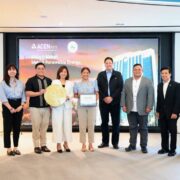
Through the P3.67 billion (60 million euros) EU-PH Green Economy Partnership launched in July 2023 by European Commission President Ursula von der Leyen during her visit to Manila, we are making first promising steps toward a green transition. The GEPP is part of EU’s Global Gateway initiative, the European strategy engaging with partners globally and promoting investments around shared priorities such as the transition to a green economy, renewable energy and green hydrogen, education and research, and digital infrastructure, among others. The EU GEPP is cofunded by Germany’s Ministry for the Environment, and implemented by Germany’s development agency GIZ, United Nations Development Programme Philippines, Expertise France with Global Green Growth Institute, and the International Finance Corp.–a member of the World Bank Group.
Through initiatives like the EU-Philippine GEEP, we are not only helping to shape a cleaner, more sustainable future but also creating opportunities for economic growth, green jobs, and an improved quality of life for all Filipinos.
To make things really happen, we need not only the right policy framework in place and the political will on the national level: implementation on the local level is key for a green transition. That is why the GEPP explicitly includes the cooperation with currently 20 local government units all over the Philippines. It is on the local level, where innovation can make a meaningful difference: ranging from plastic waste reduction and organic waste management, climate change adaption for local communities to sustainable tourism.
The creation of green jobs is a key factor for a successful green transition. Green jobs are vital for facilitating a successful green transition as they drive the shift toward sustainable practices across various sectors, including the drive toward a circular economy. These jobs promote clean energy production, support energy efficiency and waste management, sustainable tourism, and sustainable agriculture. By creating employment opportunities in these areas, green jobs enhance economic resilience while reducing environmental impact. And they help to create the much needed jobs for Filipinos. They also will play a crucial role in equipping the workforce with the skills needed for a low-carbon economy, helping communities adapt to climate change and promoting social equity. Ultimately, green jobs are key to achieving a sustainable future and meeting global climate goals.
For the creation of green jobs, a stable and reliable business framework is key to attract the necessary investment, including foreign investment. We encourage the Philippine government to continue its efforts to create a competitive business environment.
The recent launch of the GEEP was another milestone toward a green transition. It will serve as a one-stop shop to bring together European and Philippine public and private sector actors to unlock and accelerate the green economy transition by sharing green expertise and technology.
The platform acts as a centralized knowledge hub, providing access to policy updates, technical resources, case studies, and emerging best practices and strategies on circular economy and showcases matchmaking services such as the Green Transition Lab, which connects and shares sustainable forest and circular economy technologies and the Sustainability Solutions Exchange, which links micro, small, and medium enterprises with green purchasers, suppliers, and service providers.
Together, with the leadership of the Philippine government, the dedication of the private sector and the active participation of communities, we can build a greener and more prosperous Philippines.

The EU and its member states continue to stand with the Philippines to work together for a green transition, which is central to a strategic EU-Philippines partnership ready to prepare for a shared green and sustainable future.
—————-
Andreas Pfaffernoschke is the ambassador of Germany to the Philippines.
—————-
This commentary is part of a series of articles in the Philippine Daily Inquirer contributed by European Union ambassadors to the Philippines, in line with Denmark’s Presidency of the EU Council. The articles focus on strategic areas of cooperation between the EU and the Philippines.