


Keeping up with solar power craze

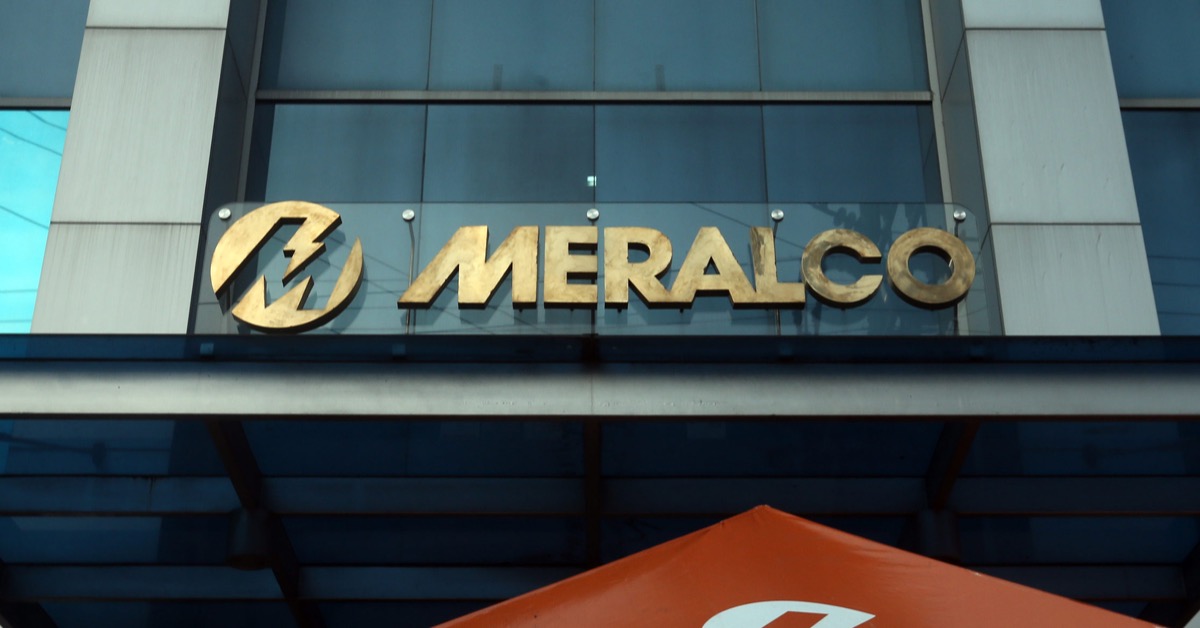
The Manila Electric Co. (Meralco) stirred a hornet’s nest last week when one of its top executives called on the government during a Senate hearing to tighten regulations covering “guerrilla” or unauthorized solar power installations that have recently multiplied as more Filipinos scramble for ways to escape high electricity prices.
The country’s largest private electric utility, which services over 8.11 million customers across its franchise area that covers 39 cities and 72 municipalities, principally cited safety concerns as grounds for the increased government regulation, considering that these facilities had been installed without securing the necessary local government permits nor going through safety inspections.
Meralco took pains to explain that what it simply wanted were “clear, standardized guidelines” to ensure that solar installations “are done correctly and safely.”
Howls of protest, however, immediately greeted the suggestion of increased regulation.
Citizens–already heavily burdened by power costs that have surged following the Middle East crisis–claimed that Meralco was just against the rapid adoption of renewable energy or the accelerated use of solar equipment to protect its bottom line.
Rapid adoption
Some even asked why Meralco was suddenly concerned about safety because of solar power installations when it still had to resolve the ugly “spaghetti” wires in its franchise area.
Meralco expectedly bristled at the criticisms and immediately sought to explain that it was not at all against the rapid adoption of renewable energy sources.
“Our intention has never been to discourage innovation or limit personal energy choices, but rather to emphasize the importance of safety and proper installation,” stressed Joe Zaldarriaga, Meralco vice president for corporate communications.
In Meralco’s franchise area alone, it is estimated that a third of solar rooftop installations are unauthorized thus pose a potential risk to its distribution system. There would be more in areas serviced by other private utilities and rural electric cooperatives.
The Institute of Integrated Electrical Engineers of the Philippines likewise called for strict adherence to safety standards “to protect life, property, public safety and grid reliability.”
Critics, however, are not having it, saying that Meralco was just against increased adoption of solar energy because that would mean less profit for them. This is why it would be in their best interest for the government to make it harder for individuals as well as commercial establishments to determine their own energy future.
Conflict of interest
These charges against Meralco may indeed be unjustified, but it did not help Meralco’s cause that it was also in the business of solar installations through wholly owned subsidiary Mspectrum, which provides solar power solutions to residential, commercial, and industrial customers.
Cries of conflict of interest thus hold more water for those entirely unconvinced by Meralco’s justifications.
There are also fears that Meralco’s sheer size and dominance will grant it more favor from regulators who may then be moved to penalize the small players while protecting those with money and influence.

The concerns over safety may not have come from the right mouth, but the warning is still valid. There is an urgent need for the government to establish sound technical standards for solar installations to ensure that they can be operated safely and are compatible for complementary use with the power grid.
These concerns and suggestions have to be rapidly taken up and acted on by the government as solar adoption is only going to increase even if the situation in the Middle East is suddenly resolved, as it has shown the value of being more self-sufficient when it comes to energy, thus the issue of not just stability of supply but also of price.
Geopolitical tensions
This also explains why the Philippines has also adopted the policy of ramping up renewable energy share in the energy mix, with solar leading the way given the faster deployment compared to other sources such as hydro and wind.
As per Yu Sun Chin, senior Asia regional researcher at Zero Carbon Analytics, scaling up the use of solar energy is one of the fastest and most effective ways to reduce the country’s exposure to the geopolitical tensions that ultimately lead to price hikes, reduce costs and strengthen energy security.
“Staying on track to meet the 2030 solar target and even surpassing it will be critical to protecting Filipinos from future price shocks,” said Chin.
Market adoption, however, almost always runs ahead of regulation thus the government should strive to stay ahead by reviewing relevant laws and revising them as necessary to make sure that they will keep up with the reality on the ground.
This way, the benefits of solar power can be effectively harnessed without the unnecessary risks.