





Morbid revival


Something bothered me about the coverage of the Association of Southeast Asian Nations meetings, but it took a while to figure out what, precisely, was bothersome. Online commentary was generally focused on the peculiarly retro nature of the proceedings: the decision to hide poor areas from sight, the ritual nature of the performative martyrdom of radicals as they invited and received brutality at the hands of the police; the complaints about public and private inconvenience because of security arrangements. All these harked back to half a century ago, to be sure, but that wasn’t it.
It was as I watched the gala dinner proceedings that it finally hit me. In recent months, the restoration of the Philippine International Convention Center (PICC) received much attention, nearly all positive, and the gala dinner was the restored venue’s time to shine: half a century after the Marcoses first used it as the site of an international gathering, they were using it again for another international gathering. So the place was meant to evoke the past but, surely, was also meant to leave a mark on the Restoration Regime’s ongoing present.
Except that it didn’t. Not really. The President Marcos and first lady Liza Araneta-Marcos stood in isolation in the lobby, with minions at the front door whisking visiting dignitaries from the door to the first couple, not in joyful, or at least, dignified, arrival, but rather looking like late guests were being rushed to a party that had already started. And yet, all the hallmarks of a Marcos-style extravaganza were there: welcome arches, flowers, the peculiarly-clad presidential guards with their pickelhaube helmets, what the older generation still calls usherettes practically bursting out of their ternos clambering up and down stairs in too-high stiletto heels, specially commissioned singers and dancers outside and in the lobby. So why did it seem flat?
Spectacle requires the spectacular. Instead of thousands, we got a cast of dozens. A cast of thousands can compensate for disorganization with the joie de vivre of a crowd doing Zumba or truly impress through the massed ranks of carefully choreographed dancers; but what we saw on the lawn in front, studiously going through their routines, were small groups of dancers, each troupe not so close but not so far apart from the next to avoid looking like half of the expected number had called in sick and the remainder sprinkled around the premises to hide the fact that many had gone AWOL (absence without leave).
Saddest of all was the dispersed bunch of rather lost-looking higantes feebly whirling around as if they were attending a party that had failed or were the types of higantes who were too dense to get the hint the party was over.
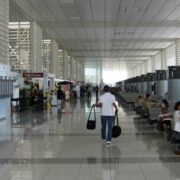
As the VIPs practically had to slither over polished marble floors toward the first couple, you could see a few sets of folk dancers going through movements that resembled their doing calisthenics, all of it happening in the far-off distance as if rehearsing behind the backs of the first couple. The PICC looked like a mall at closing time on a bad sales day.
It was impossible to avoid the impression of loneliness on the part of everyone concerned.
And that is what was so strange because it is so distinctly un-Filipino in a gathering of any kind, particularly official ones where more is more, especially when it comes to hospitality. There seemed to be a shortage of the hospitable and too much empty space so that even the small sparks of friendliness and even affection you’d spot from time to time between the President and the first lady and some of their foreign guests seemed sadly fleeting.
If there is one aspect of the job the President obviously relishes, it is his role as the architect of foreign policy; his truest milieu, in a word, is diplomacy; the first lady, for her part, is said to be at her best up close and personal where her dispensing with ceremony and her brisk manner can be both refreshing and counterintuitively charming. Neither was well served by the staging or the logistics: the interactions were too brief, though the photo opportunities too drawn out, to convey the attributes both would surely prefer to be highlighted. Too much whisking away, instead.
There were even complaints about the gala dinner itself not being broadcast, which, if true, was another pity: the speeches and cultural performances could at least have been carried by a live feed viewable by the public.

It will be an interesting exercise to dissect, further, why there was so little official splendor despite the expenses incurred and the public generally willingly adapting itself to the disruption of what is, after all, a significant moment on the international stage for the country and its people, never mind its leaders. If you will invoke nostalgia, you cannot simply repeat the bad and fall flat with the rest. It was so very strange; we are good at demonstrating panache; that there was little evident is actually disturbing: we can’t even put on a good show anymore.
—————-
Email: [email protected]; Twitter: @mlq3
******
Get real-time news updates: inqnews.net/inqviber


For IPs, hope must become infrastructure