











New foundations of Indo-Pacific security


For many people across Southeast Asia, security isn’t about what’s happening on the other side of the globe. It is about practical things, here and now, measured day by day.
Will the lights stay on? Can I fill up my tank? Is there enough rice for dinner?
These everyday concerns increasingly define security across the Indo-Pacific. Energy, food, and economic security now underpin prosperity. That reality helps explain why Canada’s engagement with the Association of Southeast Asian Nations (Asean) and the Philippines, currently Asean chair for 2026, matters far beyond the diplomatic calendar.
This year, Asean and Canada took important steps toward a free trade agreement that, when finalized as soon as possible this year, will make it easier for businesses to trade, invest, and create jobs across the 12 economies representing more than 850 million people. The Asean-Canada Free Trade Agreement is more than a trade deal; it is an investment in the future.
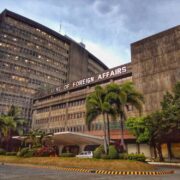
Canada’s Minister of Foreign Affairs, Anita Anand, was recently in Manila for the Asean Post-Ministerial Conference and the Asean Regional Forum. She used that meeting to underscore Canada’s support for Asean centrality and for a secure, stable, and prosperous Indo-Pacific. The message from regional leaders was equally clear: security is no longer just about geopolitics. It also includes energy security, climate resilience, sustainable growth, and strong economic partnerships that help businesses and consumers prosper.
The Philippines’ recent engagement with Canada illustrates this shift.
During President Marcos’ visit to Canada, our countries elevated bilateral relations to a strategic partnership and committed to developing a new plan of action to guide cooperation. A priority of this partnership is concluding negotiations on a Canada-Philippines free trade agreement by the end of this year, strengthening economic growth and resilient supply chains. That is precisely why free trade agreements between our countries matter: today’s economic and security interests are increasingly intertwined, from energy cooperation and cybersecurity to supporting a free and open Indo-Pacific.
Southeast Asia’s growing economies require affordable, reliable, and increasingly sustainable sources of power. Canada brings expertise in clean energy, critical minerals, and sustainable resource development, while also supplying liquefied natural gas, oil, and liquefied petroleum gas to support energy security and economic growth. As the Philippines works to expand clean energy opportunities and strengthen its energy mix, our countries can work together on practical solutions that benefit the wider Asean community.
Food security presents a similar opportunity for partnership. Across Southeast Asia, farmers are facing more frequent climate shocks, changing weather patterns, and growing pressure on agricultural systems. Meeting these challenges requires innovation, climate-smart farming, and resilient food supply chains; from farms and processing facilities to the ports and shipping routes that keep food moving across the region. Canada has long been a trusted partner in agricultural research, food safety, and sustainable farming. Through the Indo-Pacific Agriculture and Agri-Food Office in Manila, Canada is working directly with regional stakeholders, including governments and the private sector, to make trade easier, reduce red tape, and help food products reach markets more quickly. This helps strengthen food security by ensuring a reliable supply of key agricultural products for families across the region and supports regional productivity goals.
Communities also need tools to handle the shocks of a warming planet. Canada is partnering directly with leading actors in the region on disaster resilience. Through our capacity-building initiatives, we are working with the Asean Coordinating Centre for Humanitarian Assistance on Disaster Management to ensure disaster management is both inclusive and prepared for multihazard emergencies. Our programs empower local civil society groups to move from reactive disaster response to anticipatory action, ensuring communities are better prepared for climate shocks.

And as our physical world faces these shifts, the digital world is transforming just as quickly. Security is also what we experience on screens. It is about protecting personal data and ensuring we can safely shop, bank, and do business online. Canada is deepening cooperation with Asean in this area. We recently joined Asean’s digital senior officials track so that we can work more closely on things like cybersecurity, digital trust, and the responsible use of artificial intelligence.
Ultimately, partnerships matter because they help deliver what people care about most: reliable energy, secure food supplies, good jobs, and economic opportunity. Canada’s engagement in the Indo-Pacific is built on a simple idea: we achieve more together. As Canada, Asean, and the Philippines deepen their partnerships, the focus is on what matters most to people: resilience, innovation, and economic opportunity. In an uncertain world, these are the building blocks of both security and prosperity.
—————-
David Hartman is Canada’s ambassador to the Philippines while Ambra Dickie is Canada’s ambassador to Asean.


Sona 2026: What Filipinos need to hear (1)