







Oppressive PH power rates

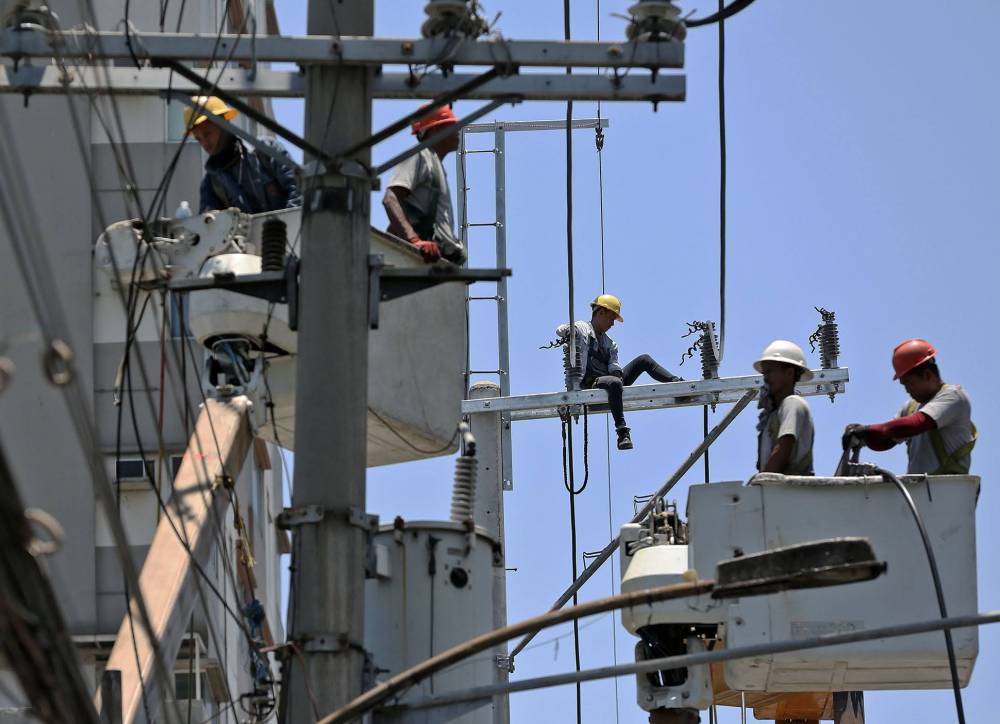
The Philippines notched another unwelcome record in June when it recorded the highest electricity rates in the Association of Southeast Asian Nations, beating Singapore for the top spot.
Worse, already heavily burdened power consumers will have to brace themselves for another bill shock that will disproportionately impact the poor.
This, as electricity could become even more expensive with the latest flareup of hostilities in the Middle East that is again driving up energy prices, warned the Department of Energy (DOE).
And with higher electricity costs come higher prices of most everything else as power is a major cost component in commercial and industrial operations, thus translating to more expensive prices of other basic goods and services, easily offsetting the recent increase in the minimum wage.
Senate investigations into the high power rates must be expedited to help find the answers. Senators Bam Aquino, Risa Hontiveros, and Panfilo Lacson all filed resolutions seeking to revisit and revise government policies to address widespread consumer complaints over high power prices.
Convenient excuse
Once and for all, Lacson urged the government to undertake “a comprehensive examination” of every component of the monthly electricity bill, including generation, transmission, distribution, taxes, regulatory fees, and costs that are eventually passed on to consumers. It is indeed about time that the government throws its considerable weight behind this endeavor as Filipinos have been enduring high prices for far too long, and such an inquiry has already been sought 11 years ago.
In 2015, then Negros Occidental Rep. Alfredo “Albee” Benitez already asked why the cost of electricity in the Philippines is among the highest in Asia.
That the burning question has remained largely unanswered means that those involved in the generation, transmission, and distribution of electricity to the end users as well as the agencies tasked to monitor the energy sector could not just point to the current Middle East crisis as a convenient excuse to explain soaring power prices.
It is thus incumbent on the government to use its regulatory powers to hold the players into account, ask the hard questions on whether they have been charging “fair” prices all this time.
Unnecessary red tape
It is thus high time that the government immediately, rigorously and comprehensively review the Electric Power Industry Reform Act of 2001, which in theory was supposed to lower electricity prices and improve efficiency and reliability through increased competition, and determine where revisions should be made to deliver the promised affordability.
It must also not be afraid to use its powers to review costs such as reducing or outright removing taxes that inflate electricity prices, and punishing distribution utilities that do not exert enough effort to bring down pilferage and systems losses to ensure the accuracy of their meter readings.
Indeed, those who religiously pay their electricity bills must not shoulder the cost of inefficiencies that have been allowed to fester.
Also, agencies such as the DOE and Energy Regulatory Commission must demonstrate their resolve to quash any doubt of regulatory capture and ensure that the private companies in the electricity sector are not charging too much for the basic service that the government has basically outsourced through privatization.

At the same time, the government should also make it easier for households, commercial establishments, and large companies to implement their own solutions to their power woes such as by investing in solar energy to cut their power bills. No need to entangle them in unnecessary red tape.
A long-term solution
The National Grid Corporation of the Philippines must also be directed to fast-track the modernization of the national grid to ensure that it can absorb the spike in renewable energy facilities across the country, a long-term solution to the heavy reliance on imported fuel that is also used to run power plants.
Generation companies, meanwhile, must also be penalized for the unexplained, unscheduled outages that have caused power supply to thin out, forcing distributors to purchase more expensive power from the open market to prevent service interruptions.
End-users can also do their part by flagging pilferage, report meter tampering, and actively participating in discussions that will lead to a fairer and more transparent power pricing system as Lacson said.
Indeed, reforming the energy sector and finally addressing high power prices will require the concerted and coordinated efforts of all stakeholders in the energy sector, from the executive to the legislative, down to the private sector participants and consumers.
President Marcos can use his second to the last State of the Nation Address to launch this urgent initiative that will ultimately benefit the public and help the country achieve its long-term economic aspirations.


Japan-Asean: ‘Navigating Our Future, Together’