







Options for returning OFWs

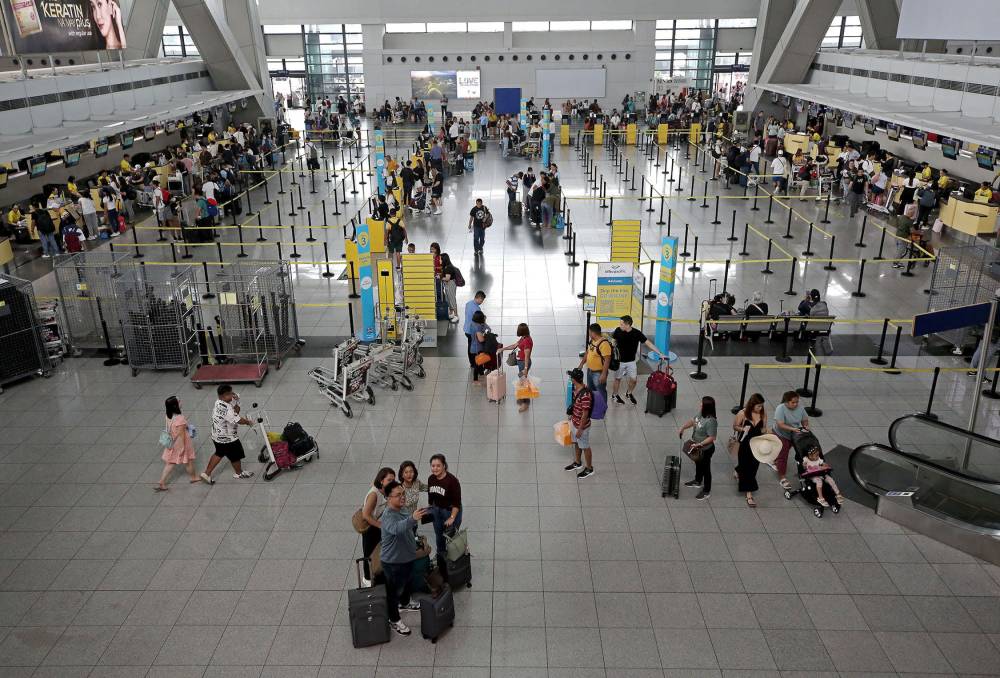
The ongoing conflict in the Middle East triggered by the United States and Israel’s bombing of Iran once again exposes the high risk of job losses for overseas Filipino workers (OFWs). As of March 4, Overseas Workers Welfare Administration (Owwa) chief Patricia Yvonne Caunan said that 1,189 OFWs from Bahrain, Israel, Kuwait, Dubai, Abu Dhabi, Qatar, and Lebanon have so far expressed their intent to be repatriated.
On March 5, the Department of Migrant Workers (DMW) said 299 Filipinos affected by the escalating tensions safely returned home. Migrant Workers Secretary Hans Leo Cacdac, who led a government welcoming team, assured them of financial, medical, and psychosocial support as well as assistance from the DMW, the Owwa, Department of Health, and the Department of Social Welfare and Development. However, more often than not, this assistance will not last and the returning Filipinos will need to find ways to support their families.
OFWs have to bear in mind early on that those high-paying positions overseas are temporary and can be lost at any time, notwithstanding the validity of their contracts. Such a mindset, in turn, should at the outset prompt them to assess and properly plan their financial future.
Economic resilience
The latest Bangko Sentral ng Pilipinas (BSP) Consumer Expectation Survey (Q3 2025) indicated that basic needs still dominated how families use remittances, with 94.8 percent in Metro Manila and 95.7 percent in the provinces noting that the money goes primarily to food and household items, or their day-to-day survival needs. Outside the capital region, more households said the remittance flows went to education and medical expenses.
The survey also showed that 44 percent of households in Metro Manila and 36.6 percent in the provinces reported setting aside part of the remittances for savings. But despite these high numbers, only 6 percent of families in the metropolis and 8.6 percent outside the capital actually invest part of the money they receive from abroad despite the government policies aimed at expanding financial inclusion and programs offering investment options that give yields much higher than bank savings.
An example is the Department of Trade and Industry’s (DTI) allocation of P2 billion from the DTI-Small Business Corp. (SB Corp.) for the newly established OFW Negosyo Fund to strengthen their economic resilience given the unpredictable global events. This initiative, which OFWs can already start tapping this week, provides expanded financial assistance to OFWs, empowering them to cope with sudden displacements from work abroad such as those triggered by the ongoing Middle East conflict, and smoothly reintegrate at home by starting sustainable micro and small-scale businesses.
Investment counseling
As explained by the DTI, converting remittances into productive investments creates jobs, stimulates local growth, and honors the vital contributions of our modern-day heroes. It added that the fund anticipates the real-world contingencies OFWs face, from abrupt returns due to geopolitical tensions to the hurdles of starting enterprises after years abroad. As Trade Secretary Cristina Roque pointed out, access to capital is often the biggest barrier during these uncertain transitions.
The OFW Negosyo Fund offers loan amounts from P30,000 to P20 million, no payment of capital and interest for the first year on eligible ventures, repayment terms of up to five years with flexible options, and waived collateral for loans of up to P5 million.
What these returning OFWs and those still actively working abroad need is investment counseling. They have been hailed as modern-day heroes and the backbone of the economy, but it is disheartening to find out that the money they send are all spent just for the survival of their families, with very little left to save and invest. Practicing financial discipline is a must if OFWs are to survive once they end their contracts or are forced to return home by extraordinary events such as the Middle East conflict.
Livelihood starter kits
There are several other government programs aimed at supporting OFWs. In livelihood, Owwa provides loans and grants for business ventures, livelihood starter kits for returning women OFWs who were displaced, distressed or even undocumented, financial literacy training courses on managing their savings and investments and preventing them from falling back into debt. The Technical Education and Skills Development Authority is another agency that provides free skills training, job referrals and placement and even a specific program for returning teachers to help address the shortage locally.
Finally, given the proliferation of financial scams targeting OFWs, agencies such as the BSP, the Securities and Exchange Commission, and the DMW have programs to protect Filipinos working abroad. OFWs need only to check with these agencies before engaging with any individual with a tempting investment offer.
******
Get real-time news updates: inqnews.net/inqviber