









Political prisoners, prisoners of conscience

In the early days of the Inquirer, I asked our magazine editor (later editor in chief) Letty Jimenez Magsanoc how long the magazine feature article I was assigned to write should be. I got a great, crisp reply I hold dear to this day: “You know when to stop.”
The members of the minority and majority blocs are known by now, but the voting at the end of the trial is another story. While the senator-judges hear evidence in order to later make their judgment, they are also being judged by the watching public. So, here’s looking at you, Your Honors in crimson robes.
Their interventions, manner of treating the witnesses, the defense, and the prosecutors (from the House of Representatives and private prosecutors), the kind of questions they raise—whether relevant or impertinent—are being watched. Thanks to live streaming and replays, people enjoy virtual front seats to the unfolding drama.
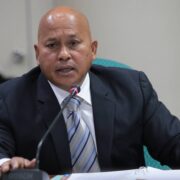
With two senator-judges perceived to be aligned with the VP behind bars without bail, Cayetano, himself a Duterte supporter, called his colleagues “political prisoners.” Calling them that implied political persecution. But hey, it is not unlikely that another one from his bloc could also end up behind bars for similar charges. Persecution?
Wait a minute, the true-blue advocates for the rights of political prisoners protested. In times past and even now, the name political prisoner/detainee is a badge of courage, a badge of honor. Ask the tens of thousands of political prisoners who survived martial rule during the Marcos Sr. dictatorship that lasted 14 years (1972–1986). There is an official list in the Human Rights Violations Victims Memorial (HRVVM) website and the Task Force Detainees of the Philippines’ (TFD) records. Alas, many were not included in the HRVVM because of a lack of documents or proofs, and therefore could not be compensated under Republic Act No. 10368. But close to 10,000 are included in the class suit filed against the Marcos estate in a Hawaii Court.
Disclosure: Although I was not a political prisoner, I am one of the 11,105 claimants in different categories (torture, bereaved families, rape, loss of property, etc.) who received compensation sourced from the Marcos ill-gotten funds returned by the Swiss government on condition that the funds be allocated for martial law victims-survivors and for a memorial museum.
The words ”political prisoner” are synonymous with prisoner of conscience. A general definition would refer to them as persons detained or imprisoned because their political beliefs and activities run counter to the ruling power. Rightly or wrongly, they are accused of rebellion, subversion, sedition, insurrection, illegal possession of firearms, and other acts against the state. In authoritarian states, they could undergo torture, arbitrary arrest and detention, and face false accusations or even be made to disappear.
Kapatid, a support group composed of families and friends of political prisoners, raised a howl on Cayetano’s use of political prisoners to describe Marcoleta and Estrada. “We know what political persecution looks like and the cases of these politicians and their den of thieves do not fit the definition. Their detention arises from stealing millions of public funds for personal gain.” Estrada is facing plunder and graft cases involving P573 million in kickbacks, while Marcoleta is facing plunder charges for failing to disclose campaign donations during the last senatorial elections. (see “Groups to Cayetano: Marcoleta, Estrada not political prisoners,” inquirer.net, 7/22/26.) Rights group Kaparatan also issued a scathing statement.

No doubt, TFD and the Bantayog ng mga Bayani would also bristle at the improper use of the words political prisoner to describe the senators who are now behind bars. If not the euphemistic PDL (persons deprived of liberty) printed on their T-shirts, what better way to call them?
—————-
Send feedback to cerespd@gmail.com


