











Privileged absenteeism

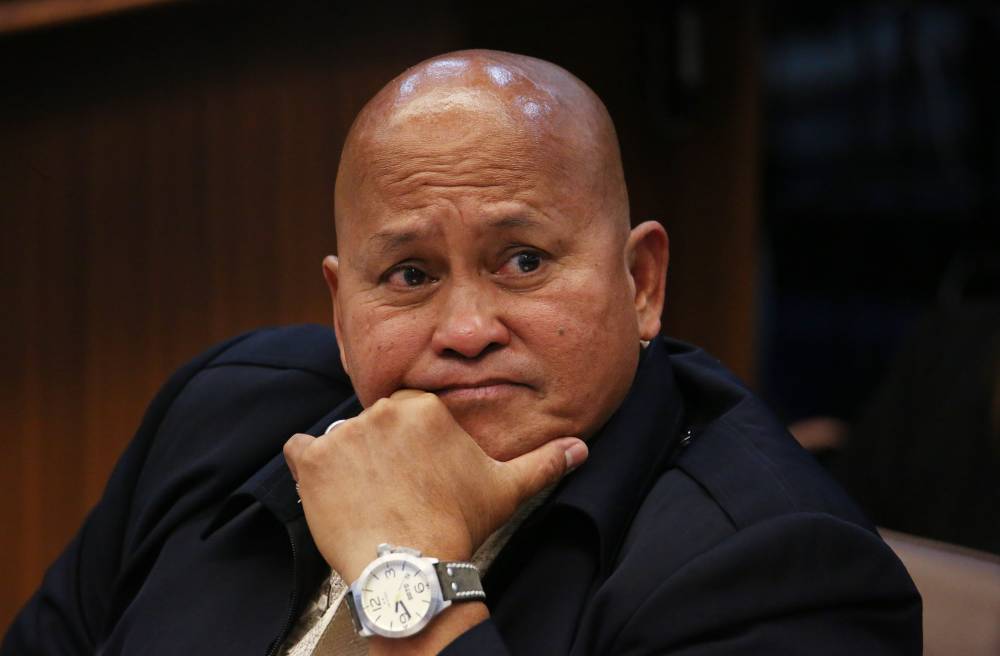
In any public or private workplace, it is “no work, no pay.” Except if you’re Sen. Ronald “Bato” dela Rosa.
Just this week, a government memorandum highlighted this contrast when the Department of Labor and Employment (DOLE) reminded employees that those who did not report for work on Feb. 25, the 40th anniversary of the 1986 Edsa People Power Revolution which the Marcos administration merely declared as a “special working day,” are not entitled to any wages.
On top of this policy, the country has strict labor laws and consider “gross and habitual neglect,” defined under Section 4(k), Rule I-A of DOLE’s Department Order No. 2015 as the “repeated failure to perform one’s duties over a period of time, depending upon the circumstances,” as grounds for termination of employment.
Dela Rosa has been absent from his duties as senator since Nov. 11, 2025, but he continues to receive his hefty salary, allowances, and other benefits of a Salary Grade 31 employee, as confirmed by Senate President Vicente “Tito” Sotto III himself. The monthly basic salary in this level ranges from P293,191 to P334,059, or an annual gross salary of approximately P3.52 million to over P4 million.
Main co-perpetrators
As of today, Dela Rosa has missed 44 work days, including 33 session days, since he was last seen in public shortly after Ombudsman Jesus Crispin Remulla claimed that the International Criminal Court (ICC) had issued an arrest warrant for him. Earlier this month, the ICC’s Office of the Prosecutor named Dela Rosa, the police chief during former President Rodrigo Duterte’s term, as among the main co-perpetrators facing crimes against humanity for extrajudicial killings committed under the latter’s antidrug war campaign.
Dela Rosa has not provided any explanation, including making any formal communication to the Senate, for his absence. He even failed to defend the Department of National Defense budget during plenary debates last year, as the vice chair of the finance committee.
An ordinary worker who has not reported for work for at least 30 calendar days would have already been declared AWOL (absence without leave), a serious offense under civil service rules that could lead to separation from service and forfeiture of benefits, including leave credits and retirement benefits.
Ethics complaint
So what makes Dela Rosa, a public servant elected and employed by Filipino taxpayers, exempt from these policies?
Dela Rosa’s colleagues seem to be finding all excuses to avoid confronting his absenteeism, pointing to the lack of rules on absences. There is, however, a rule at the committee level that a member could be removed due to continuous absences. The absentee senator, per Sotto, has lost “almost all” of his committee memberships, including in the powerful blue ribbon panel.
This week, the anticorruption group Wag Kang KuCorrupt filed an ethics complaint against Dela Rosa, arguing that his continued absence from official duties constitutes not only a clear dereliction of duty, but also a grave abuse of the privilege entrusted to him by the Filipino people.
It pointed out that, under ordinary working conditions, Filipino laborers and employees do not receive compensation for days they fail to report for work and are even subjected to disciplinary action, salary deductions, or outright termination. It added that these workers, not as privileged as Dela Rosa, must “work tirelessly, often under difficult conditions, precisely because their families’ welfare depends on daily accountability.”

Double standard
What the group wants is for Dela Rosa’s salary, as well as his office’s operations, to be suspended. Sotto, however, said suspending operations will affect employees in Dela Rosa’s office who continue to report and perform their legislative tasks. The Senate President had earlier urged Dela Rosa to voluntarily forego his salary instead. But can the public expect such a noble act from the same senator who quipped at the height of the COVID-19 pandemic when the Senate held hybrid plenary sessions: “Sarap ng buhay. Ganito na lang tayo palagi ha?”
It remains to be seen whether the ethics committee will hear the complaint, with its chair, Sen. JV Ejercito, making the flimsy excuse that rooms at the Senate are booked for other hearings. They could choose to protect their own or they could consider a proposal to institutionalize a “no work, no pay” scheme in Congress, including senators. Hopefully, it will not go the way of Colombia, which sought to punish chronic absenteeism in Congress in 2016 but failed to pass the measure because not enough lawmakers were present in plenary.
This issue goes beyond Dela Rosa, his cowardice to face accountability, and lack of respect for his office. This is about public officials who callously abuse and break the law because their peers allow them to. The Senate can break the double standard by showing that what applies to the ordinary Filipino applies to public servants like them, too.
******
Get real-time news updates: inqnews.net/inqviber