









The ICI’s swan song

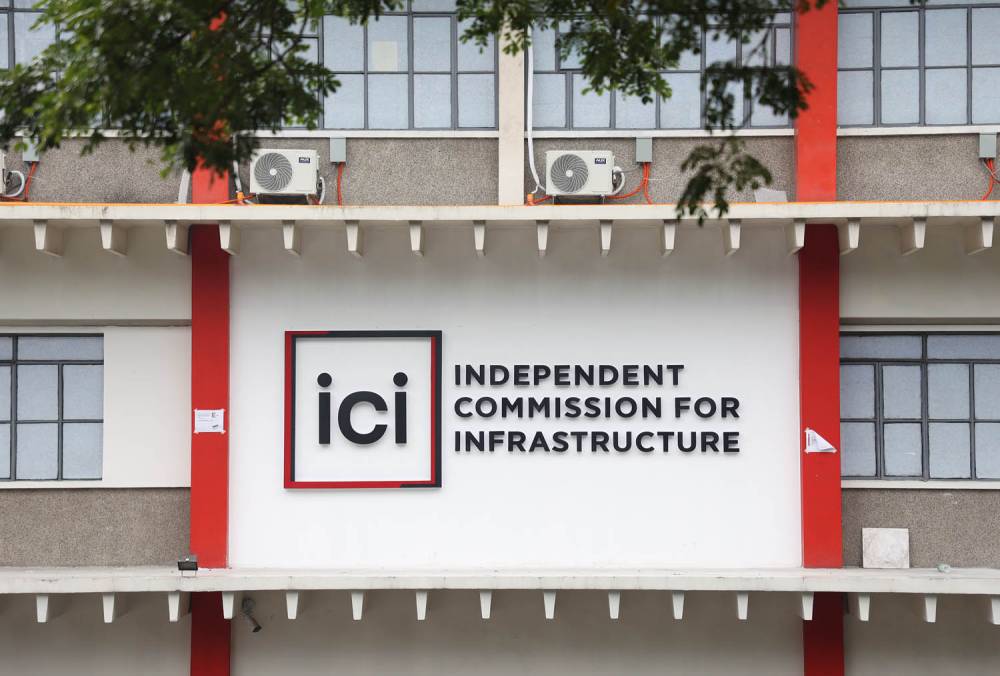
The writing is on the wall for the Independent Commission for Infrastructure (ICI), and the message couldn’t be more discouraging.
Barely half a year after its dramatic debut, the anticorruption superbody created by President Marcos in September 2025 through Executive Order No. 94 and unveiled to much fanfare is wrapping up its affairs and shutting down by the end of the month.
Speaking to reporters in New York last week, Mr. Marcos said the commission’s project brief “has already been fulfilled,” but he added a face-saving caveat: “Now, what will happen afterwards is, let us see what else that they can do.”
On Friday, however, its chair, retired Supreme Court Associate Justice Andres Reyes Jr., officially pulled the plug on the ICI, saying it would “wind down” its operations and end by March 31.
What an unceremonious close, indeed, for the commission touted as a bold new instrument against crooks in the lucrative public infrastructure business.
So, what doomed the ICI? Some may blame multiple external factors, but it’s obvious that its downfall was precipitated by its own multiple inadequacies: not enough authority, not enough resources, and, most crucially, not enough political will.
One-man operation
The commission had been empowered to issue subpoenas, summon witnesses, gather documents, and recommend criminal, civil, or administrative charges against officials implicated in corruption in infrastructure, particularly the massive flood control programs long hounded by allegations of ghost projects, padded costs, and political patronage.
At the time, the promise of the ICI was a wide crackdown on both the big fish and fingerlings involved in the country’s largest corruption scandal in years.
Yet from the beginning, the ICI carried the seeds of its own weakness. It was a fact-finding body, not a prosecutorial one. It had subpoena powers but no contempt authority. It could recommend charges but not file them itself. As expectations soared, the commission could only fail to meet them, lacking the institutional gravitas and political backing to rise to the task.
The commission’s composition did little to inspire confidence in its longevity. Reyes, the chair, was joined by former Public Works Secretary Rogelio Singson and private sector executive Rossana Fajardo. Baguio City Mayor Benjamin Magalong was initially tapped as a special adviser before resigning two weeks later.
By December, both Singson and Fajardo had also stepped down, leaving Reyes as the lone member. A commission designed to confront corruption across hundreds of thousands of infrastructure projects was reduced to a one-man operation.
Ambition and implementation
To its credit, the ICI did produce results in the short time it was active. It conducted 32 hearings involving 36 witnesses, compiled more than 1,100 pages of documents, and issued nine referrals recommending charges against 65 individuals, including lawmakers, contractors, and officials from the Department of Public Works and Highways and the Commission on Audit.
It also coordinated the referral of 66 individuals to the Department of Justice (DOJ) for possible immigration lookout bulletins and helped facilitate asset freezes and seizures worth roughly P25 billion. Those are not insignificant accomplishments for a body endowed with limited funds and manpower.
But all these couldn’t bridge the wide chasm between ambition and implementation. The ICI had initially set out to examine around 238,000 infrastructure projects over the past decade before narrowing its focus to 421 public works contracts.

The administration may prefer to frame the situation as a natural conclusion to the ICI’s mandate. After all, EO 94 did include a sunset clause stating that the body would be abolished once its purpose had been completed. But to suggest this has been accomplished in a mere six months is to scale the height of delusion.
‘A crisis of the justice system’
As the ICI shutters its doors, the government must not make the mistake of abandoning what it set out to do and sweeping the commission’s failings under the rug, along with all the lessons from its failings.
Sen. Francis Pangilinan rightly observed last week that the corruption scandal is “a crisis of the justice system” itself, suggesting that the responsibility now falls on the institutions empowered to act on the ICI’s findings, especially the DOJ, the Office of the Ombudsman, and ultimately the courts, to continue where it left off.
The long swan song of the ICI should not mark the slow, quiet death of the corruption cases it pursued in vain nor serve as another example of that pattern in Philippine governance of cycling from grand promises and lackluster execution to unsatisfying outcomes, and back again.
Now, it’s up to the government to demonstrate the kind of dogged tenacity and resolve absent in the ICI to transform fact-finding into arrests and prosecution, and allegations into convictions.
******
Get real-time news updates: inqnews.net/inqviber