









Transparency, inclusivity, regional leadership


The year is ending amid unresolved governance issues, a sentiment reflected in the latest national survey commissioned by Stratbase from Nov. 4 to 30, 2025. Public trust has softened since mid-2025, coinciding with the escalation of the Department of Public Works and Highways (DPWH) controversy. President Marcos’ trust rating fell to 38 percent, down five points from 43 percent in September. With the flood control corruption scandal continuing to dominate headlines even through the holidays, the fight against corruption has moved to the center of public concern. For many Filipinos, everyday hardships—flooding, poor infrastructure, unreliable public services, and rising living costs—are inevitably traced back to the abuse of public funds by those entrusted to safeguard them.
The question remains: will this concern be meaningfully addressed in 2026, or at all?
As the new year begins, the Marcos administration has reiterated its priorities of transparency, inclusivity, and regional leadership. These declarations, however, risk sounding hollow without decisive action and sustained follow-through. Beyond holding corrupt officials accountable, the greater challenge lies in restoring credibility to public institutions and laying the foundation for long-term development through systemic reform.
There have been notable first steps. The creation of the Independent Commission for Infrastructure in September signaled an effort to investigate corruption, with some hearings livestreamed for public scrutiny. Some assets have been frozen, arrests made, and legislative proposals such as the antidynasty bill and the Citizens Access and Disclosure of Expenditures for National Accountability Act filed. The DPWH has also launched a transparency portal, an acknowledgment of the public’s demand for openness in one of the most corruption-prone agencies.
More broadly, the administration has committed to institutional modernization, including judicial appointments, the Armed Forces of the Philippines modernization, and legislative reforms aimed at improving governance and service delivery. Digital initiatives—from biometric immigration e-gates to the Konektadong Pinoy Law—reflect an effort to modernize the state and reduce discretion that often enables abuse. Advancing open government, however, requires not just technology but consistent political will. Together, these actions are meant to signal a rebuilding of public trust, though that trust remains fragile.
Inclusive growth is another stated priority. Increased funding for social welfare, housing, and education, particularly to address classroom shortages and digital connectivity, points to an emphasis on long-term and equitable development. These are paired with economic recovery measures such as inflation control, monetary policy adjustments, catch-up spending, and infrastructure investments in flood control, water systems, and public facilities.
Economic gains, however, must be felt beyond macroeconomic indicators. Programs such as Walang Gutom, expanded housing initiatives, and higher Philippine Health Insurance Corp. funding underscore efforts to reduce poverty, address hunger, and improve access to health care and housing for marginalized communities. The real test lies in effective implementation and sustained funding.
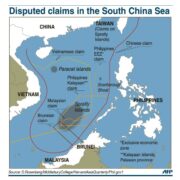
In 2026, the Philippines will chair the Association of Southeast Asian Nations (Asean), placing it in a position to shape regional cooperation, maritime security, and sustainable development. The administration has taken a more proactive stance in defending sovereignty in the West Philippine Sea while strengthening defense partnerships. These efforts aim to position the country as a responsible regional leader.
Regional leadership is expressed through advocacy for international law, diplomatic dispute resolution, and progress on the South China Sea code of conduct. Defense cooperation through joint exercises, economic integration via trade agreements such as Asean-China Free Trade 3.0, and initiatives like the Asean Smart Cities Network further support regional stability, growth, and resilience. Engagement with global partners, including the United States and France, reinforces this role.
At the same time, regional leadership will be judged not by rhetoric but by consistency. Credibility abroad is inseparable from governance at home, and sustained reform is essential if the country is to lead by example and command respect among its neighbors.
The administration has also invested in disaster preparedness and resilience through infrastructure upgrades, disaster response initiatives, and international cooperation, reflecting an awareness of the country’s vulnerability to natural calamities.
The new year is expected to bring new challenges to the Philippines, but these will not be new. Instead, they would be a continuation, even escalation, of the issues we are already facing today. It is crucial that we respond to these governance issues with both the immediate and long-term. Our people deserve no less than best results.
—————-
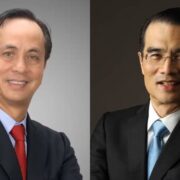
Dindo Manhit is the CEO and managing director of Stratbase Group.


Lessons from Gbagbo’s failed ICC prosecution