









Trash slide tragedies, 2000 and 2026


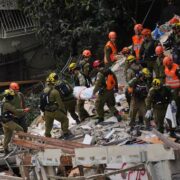
In Cebu City on Jan. 8, a garbage slide killed 22 people and left 18 injured, with 14 still missing under a mountain of trash, taller than a 24-story building, which cascaded without warning at a waste facility in Brgy. Binaliw. (The figures are as of Jan. 15.) This was similar to the July 10, 2000, Payatas tragedy in Quezon City that killed more than 200 people, mostly garbage pickers and their families, with some 300 missing (more in unofficial counts). But in Cebu, the dead and the missing were mostly workers at the facility and those who lived nearby.
This new year tragedy caused my mind to replay the 2000 scene—the search and rescue, the dead, the bereaved, the stink, and the weeping that pierced the heavens. This was not the way human beings should live, was all my thoughts could muster then, when I arrived at the scene; this was not the way they should die.
In the aftermath, the passing of the Ecological Solid Waste Management Act of 2000 mandated the closure of all open dumpsites and the proper handling of solid waste. On his Facebook page, Cardinal Pablo Virgilio David of Caloocan posted a statement titled “Unsanitary landfills = climate injustice + public health crisis,” which decried the nonimplementation of the 25-year-old law. Payatas in 2000, Binaliw in 2026.
I was at the Payatas dumpsite before the 2000 tragedy to interview members of a church-supervised lending and saving scheme that I would later write about (a front-page success story), so when I learned of the trash slide, I called my contact person, who lived there. She directed me where to go. Here are some excerpts from my piece about the horrific event that I had hoped would never happen again.
Sorry for this 2000 rerun while we grip our chests in sorrow for the recent one:
There were no media people around except me at the tiny chapel. Many were at the disaster area, waiting for more bodies to be pulled out of the garbage that cascaded onto hundreds of homes. I had just come from the dumpsite myself and was picking up my vehicle on the chapel driveway, when the first coffins arrived. I stayed.
A small man in a black T-shirt and slippers was standing alone by the chapel entrance, watching. “Are they yours?” I whispered. He nodded. I stood beside him. Then he began to sob softly. I squeezed his shoulder, then turned around to wipe my face.
We sat down and talked. I didn’t interview. His name was Roger, 34 years old. He was picking garbage when the dump heaved and heaped itself on hundreds of homes, including his own. Roger ran to look for his family, but they were no more.
“They were among the first to be found,” he said. He could hardly recognize his children. “But I knew their shapes, the clothes they wore,” he added. His wife, he easily recognized through her shirt because, Roger said, both he and his wife used it. “Naghihiraman kami.”
I dreaded the thought of a pack of TV people suddenly descending to ask him, “How do you feel?” That Monday afternoon, while the dead were being pulled out of the slime, I heard a tactless, shameless radio host say over the radio that the dumpsite residents were so fond of sex that they had multiplied so fast. The Payatas residents would later learn about it.
Roger is one of the thousands who live on garbage. Mangangalahig is how they are called. The word is derived from kalahig, the sharp metal hook used for picking garbage, which comes from the verb kahig, which means to scratch and pick the ground.
The kalahig has become the symbol of the waste pickers’ way of life. Like the shepherd his crook, or the writer her pen. I would later write something in verse form in memory of the 200-plus trash pickers who perished. Its title is “Kalahig.”
From the skeleton/ Of disemboweled mattresses/ Bent scrap of metal/ You honed to pointed perfection/ To stab at the refuse of the world.
In this moment’s defeat/ You lay down your kalahig/ Your weapon mangangalahig/ Like the shepherd his crook/ And the writer her pen/ You and your kalahig.
Do you really believe/ That you have been created/ For the underbelly/ Of this city with so little modesty/ You do not know/ That you are purer/Than the politicians/ Cleaner than the clergymen/ You do not realize/Your bravery/With that single weapon/In your hand.
What treasures have you found/ With your kalahig/ A twisted fork a spoon/Demonetized coins that cannot buy/Ten pepper corns from the shanty store/ Fast-food thrown away for you to eat/Diapers and condoms all wet/ A wedding ring a key/Plastic all the plastic/That could gift wrap the world/To death.
You say your name/ In the din of spades and backhoes/
Cameras, recorders, microphones colliding/NGO workers, relief workers/ Rescue workers, social workers/ Church workers, volunteer workers/ Newscasters unrelenting/ Do-gooders unhearing.
And swooping/ Down at last/ On your mountain now an ocean/ Of deadly muck/ That buried your home/ And pregnant wife/ A daughter/ An infant son/ An unborn one/ You were going to name Roger Jr.
—————-
Send feedback to cerespd@gmail.com



Japan is a trusted friend in challenging times