



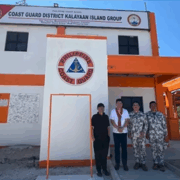







A home before a resort: Narratives of stewardship

- Editor’s note: We first caught a glimpse of the Balayan ritual film for Lagen Resort in El Nido, Palawan at Ayala Land’s thanksgiving event earlier this month. It’s not often that brand storytelling can feel this hauntingly beautiful and moving—so much so that we asked the author to share her journey in bringing this meaningful ritual to life.
Many things were renewed at Lagen Island Resort before it reopened. One of the most important, at least in my view, was the renewal of our relationship with the island itself.
Where it begins
This is where the story truly begins—with a decision that would come to define how we saw the island, and how it would, in turn, shape us.
Stories give shape and direction. They align teams, guide decisions, and create shared meaning. More quietly, but no less importantly, they give purpose. Filipino culture, after all, is a storytelling culture at its core.
From the outset, our approach to the new Lagen was anchored on this belief. We were not simply reopening a resort; we were reframing how the island would be seen, understood, and experienced.
Storytelling became both a communication tool and a governing principle, a way of ensuring that decisions, aesthetics, and gestures remained tethered to values rather than trends.
This mindset also required stepping away from the familiar language of luxury: No opulence, no traditional campaigns, no selling for the sake of selling. Instead, we asked a more consequential question: How do you shape a narrative when the primary obligation is to the place itself?

Balayan ritual: A powerful reminder
Months before welcoming guests back, I reached out to a friend, a local Babaylan in El Nido, to help prepare the land for its next chapter.
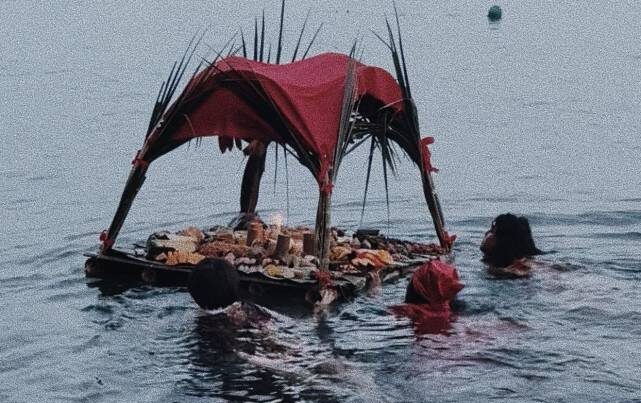
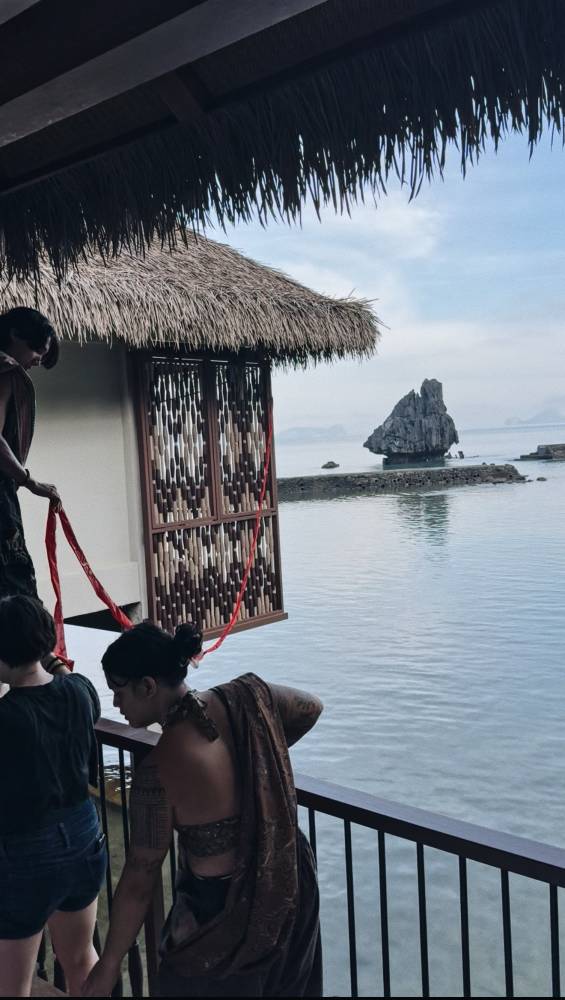
What followed was a three-day Balayan ritual, drawing from precolonial animist beliefs that regard the land as a living presence. It is a traditional practice of asking permission from the land before it is used or altered, and of promising to care for it.
The ritual was a powerful reminder to all of us that land is never truly owned, only held briefly in stewardship.
Over three days, we asked permission, sought forgiveness, gave thanks, and worked to restore balance with the island. It grounded the reopening in something far deeper than design or construction, bringing together people, place, and spirit.
Only later was the moment translated into a visual record.
Creating cultural portraits
Over the past year and a half, we have been rethinking the visual expression of El Nido Resorts.
Our goal was that imagery should never be treated merely as promotion, but as a way of articulating values.
Visuals, in this sense, become cultural portraits rather than marketing devices.
When director Paco Guerrero learned of the Balayan ritual, he proposed that this should be part of the story we tell, as it reflected something fundamentally true about what the reopening meant to us.
Moments like this reveal the quiet power of collaboration. Being open to such possibilities requires trust in partners, in instinct, and in the values one is trying to protect. It also requires accepting that not every story is designed for immediacy. Stories chosen from conviction operate differently. They accumulate meaning over time, forming an archive of belief rather than a device for quick impact.
Cinematic storytelling
Perhaps, this is why the collective renewed interest in cinematic storytelling feels so significant.
Cinematic work demands patience. In an era defined by visual excess and constant persuasion, such narrative restraint feels almost radical. It signals a belief that audiences still respond to emotional texture and still appreciate narratives that leave space for interpretation and for desire.
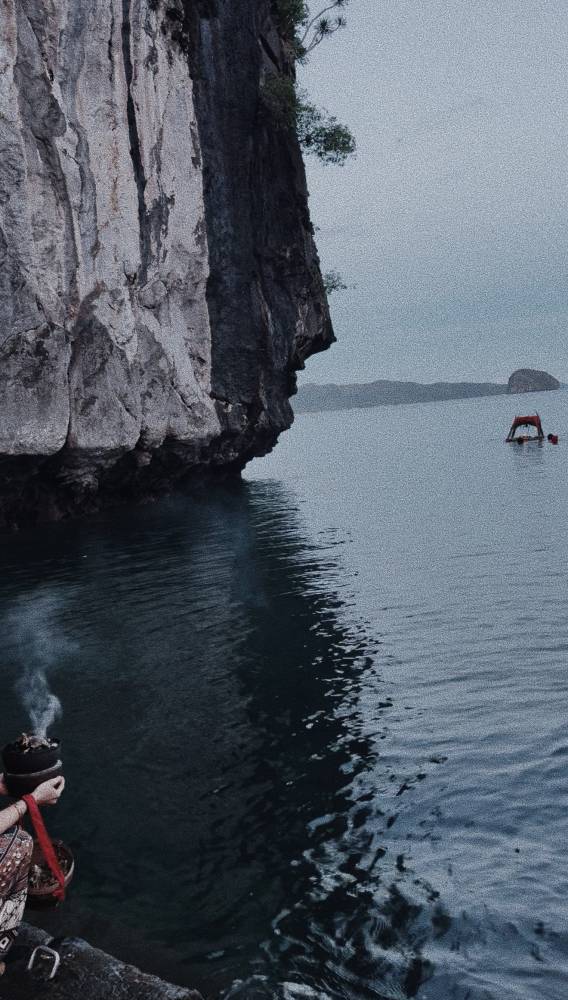
Presenting the ritual cinematically was less an aesthetic choice and more a value-driven one.
Cinematic language allowed the story to remain faithful to the moment, privileging atmosphere, rhythm, and emotion over explanation. Rather than persuading, it created space for reflection, which felt far more aligned with the values we hoped to express.
At its best, cinematic storytelling does something rare. It reactivates entire creative ecosystems, set design, composition, light, sound, pacing, disciplines grounded in craft and deep collaboration. More importantly, it reflects a willingness to build worlds rather than simply deliver messages.
Messages ask for attention. Worlds invite discovery.

Messages fade. Worlds linger, which was precisely the kind of world we hoped to create at Lagen.
A home entrusted
What I have come to appreciate is how certain works have the power to continue to reveal their meaning long after the moment that produced them has passed.
By documenting the Balayan ritual, we were grounding ourselves in a shared understanding that Lagen is not merely a destination we operate, but a home we are entrusted to care for. It’s a reminder that hospitality begins with how one receives people and cares for the place that receives them.
The visual record was never about selling a destination. It was about articulating a philosophy, wherein hospitality begins with respect, luxury is defined by intention, and the most meaningful gestures are often the quietest ones.
For all of us involved, the ritual became the quiet center of the work–not a room, not a beach, not a promise of escape, but an act of gratitude.



Allowing the story to breathe
The decision to render it cinematically thus felt appropriate and necessary. Cinematic language allowed the story to breathe, to trigger a feeling over explanation, and to invite reflection.
More importantly, it gave the team something far more enduring than a campaign asset. It became a shared reference point, a reminder of how we chose to position ourselves in relation to the island, to our guests, and to the idea of hospitality itself.
These are the same values we hope every visitor to Lagen, and to El Nido Resorts, will not simply see, but also feel.
The author is the Creative director of Ayala Land Inc.