








After the switch

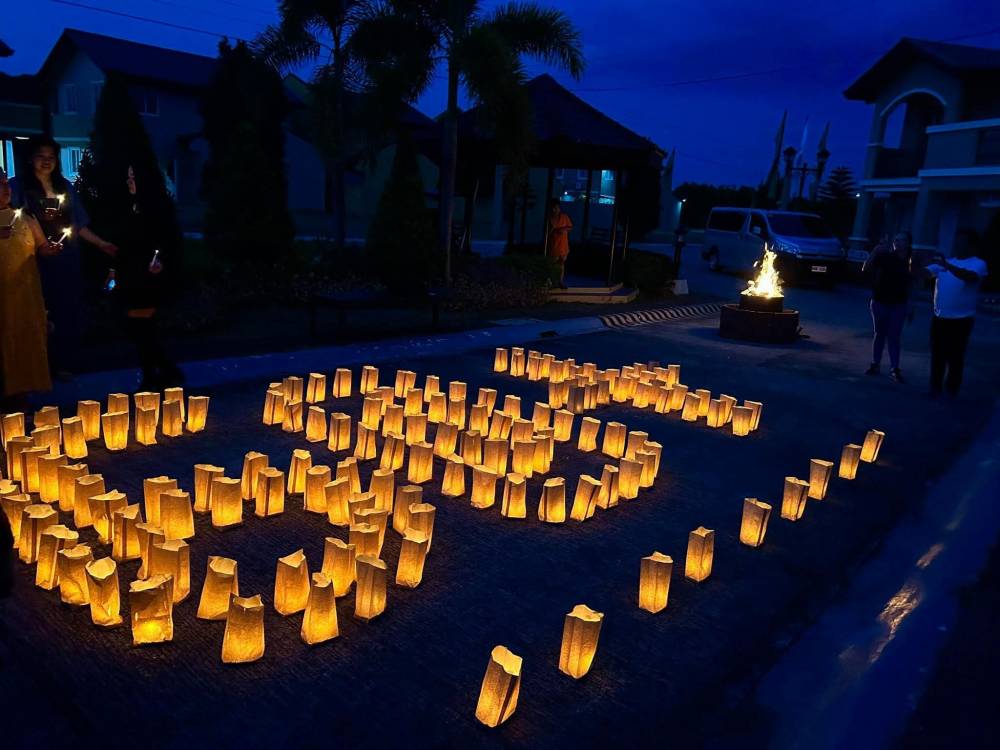
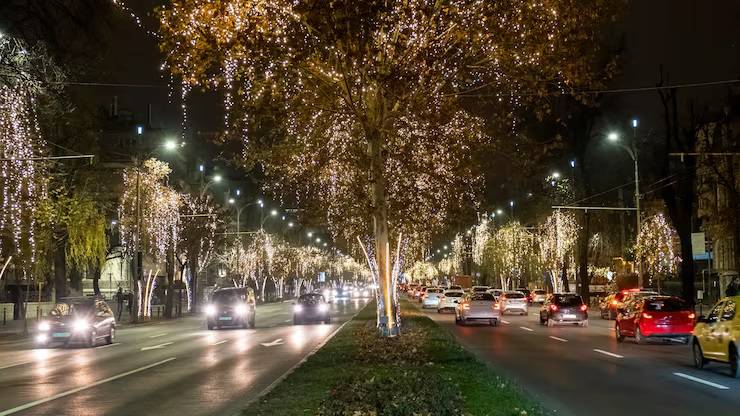
Earth Hour arrives each year with a simple civic gesture. Facades dim, tower crowns fade, mall signs rest, and the city pauses long enough to hear its own scale.
Today (March 28) at 8:30 p.m., that ritual returns across the Philippines, led in part by WWF Philippines, as it marks the annual switch off.
For property and real estate, the hour carries a sharper question. What does a district reveal when we care more about our future generation than our conveniences today?
One hour in the city
The Philippine estate is a key property product of the last two decades, offering proximity, convenience, and an urban rhythm within a controlled estate. It combines offices, residences, retail, hospitality, and leisure, creating a new metropolitan pattern.
Earth Hour highlights that a district is fundamentally an energy system before its image.
That system begins with planning. Block size determines walking distance. Road layout influences traffic demand. Tree cover affects surface temperature. Building spacing governs wind movement. Service roads, loading areas, transport access, and the location of daily needs all contribute to how much fuel and electricity a development quietly consumes.
Heat at ground level
In the Philippines, the climate imposes a physical consequence on every urban decision.
A shaded five-minute walk can feel easy. The same route across a wide paved expanse can feel punishing by late morning. This is where many districts win or lose public confidence.
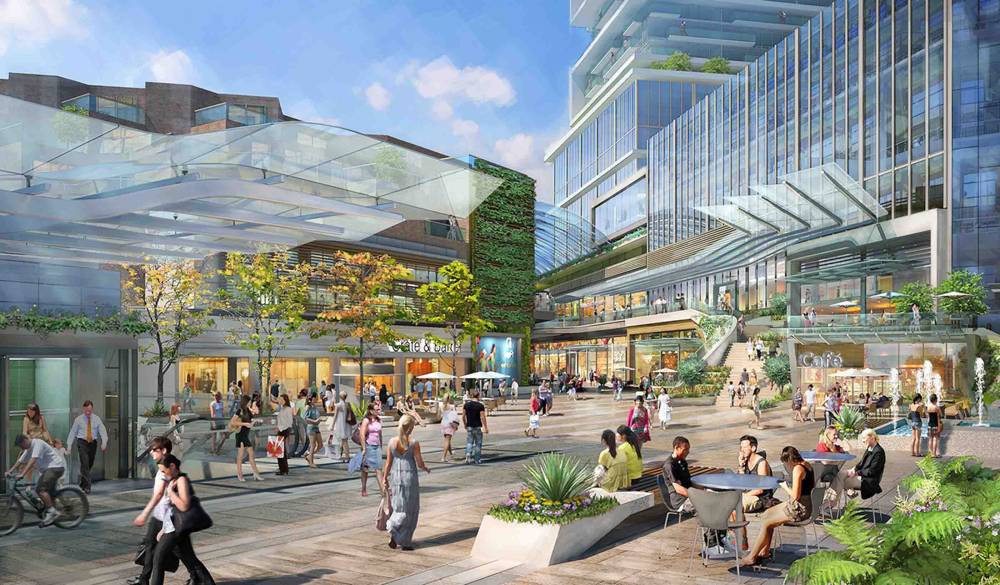
Pedestrian comfort comes from generous arcades, deep overhangs, mature planting, breezeways, and active edges that keep the street inhabited. These elements reduce radiant heat and create a sense of welcome that extends beyond the building line.
Hardscaping alone produces glare, traps heat, and shortens the life of an outdoor space. When people retreat from the ground plane, the car gains ground, cooling loads rise, and the estate slowly loses the civic ease it set out to sell.
The Philippine Green Building Code emphasizes energy and water efficiency for better performance. While important, the public experiences cooler arrival courts, calmer sidewalks, brighter daylight-lit corridors, and open spaces usable in the afternoon.

The estate as ecosystem
A mixed use district succeeds when its parts support one another. Residences create evening life. Offices sustain weekday foot traffic. Retail activates frontage. Hotels add round-the-clock occupancy. Parks and plazas provide breathing room.
The strongest estates treat these elements as an ecosystem instead of a collage of separate assets.
This ecological reading is especially relevant during Earth Hour. The switch off lasts 60 minutes. The consequences of planning endure far longer.
Common area lighting, mall cooling intensity, façade exposure, stormwater handling, and transport dependency shape the operating character of a district every single day.
Republic Act No. 11285, the Energy Efficiency and Conservation Act, recognizes that efficient energy use must be institutionalized across sectors. Real estate plays a key role in that effort because buildings and estates shape how we consume on a larger scale.

Habits are built into place
Earth Hour often prompts a familiar question: What can one hour achieve?
In real estate, the deeper answer lies in habit. People walk when routes feel safe and shaded. Residents spend time outdoors when open spaces offer relief instead of exposure. Tenants accept moderated lighting when common areas are thoughtful and calm. Good design turns restraint into ease.
That is where the Philippine setting gives this conversation real urgency.
Our cities continue to expand, and each new estate carries the chance to shape a healthier urban routine. A district can encourage short trips on foot, shared public life, lower cooling demand, and a gentler relationship with energy. It can also lock residents into heat, distance, glare, and permanent mechanical dependence.
Earth Hour simply makes that choice visible.
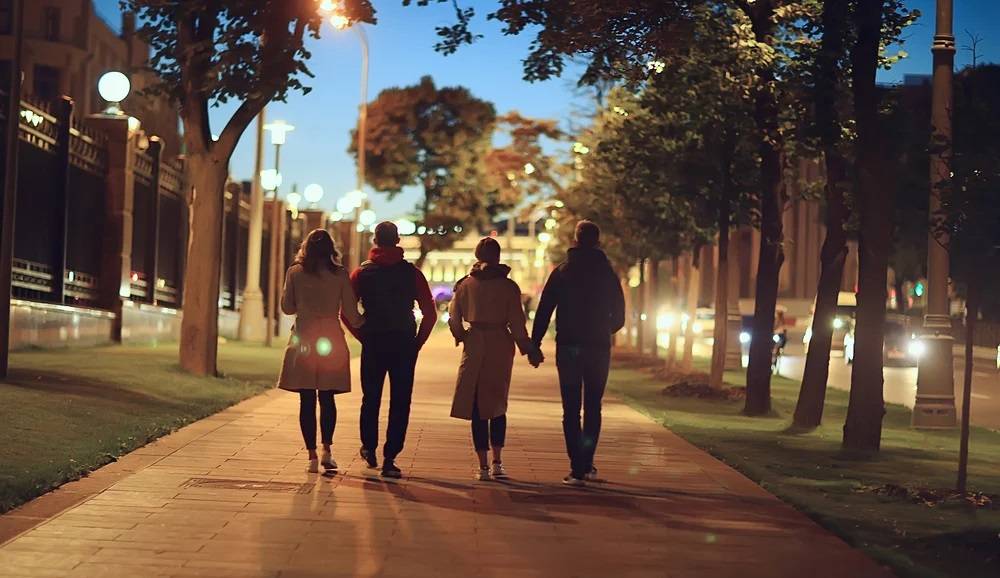
A skyline in darkness has its beauty, but the stronger image is closer to the ground, with shaded paths, lively plazas after sunset, and neighborhoods that feel whole even as lights soften.
In the Philippines, the best developments will recognize this. Their value will come from planning that respects climate, conserves energy, and provides steady urban brightness.