








Building beyond borders

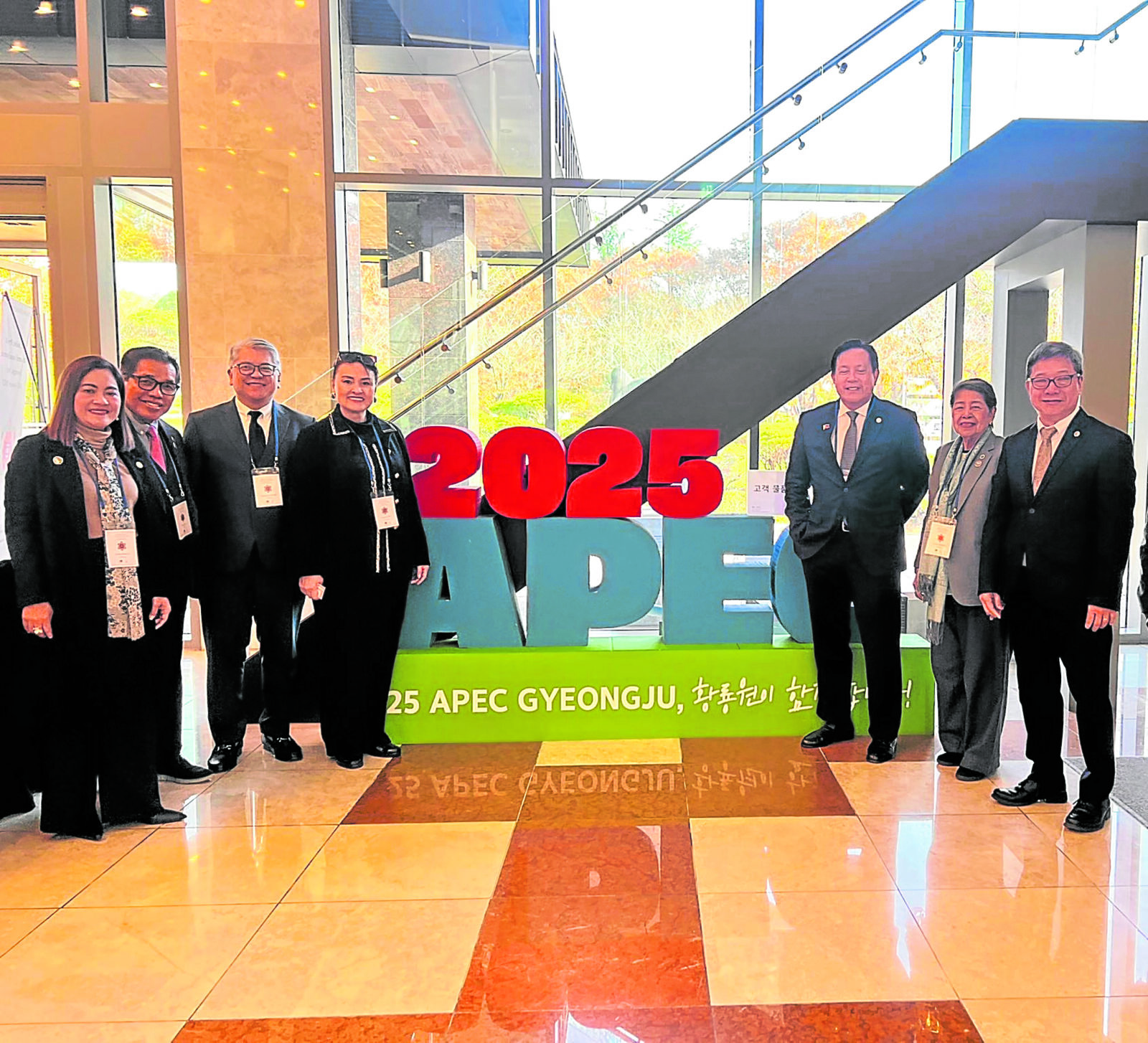
When world leaders gathered at the most recent summits of the Association of Southeast Asian Nations (Asean) and Asia Pacific Economic Cooperation (Apec) to discuss cooperation and shared progress, another form of regional integration was quietly taking shape.
Filipino architects and engineers were already helping shape the development of cities, infrastructure, and communities across Southeast Asia and the broader Asia Pacific. Even outside policy tables and diplomatic receptions, their contributions–often built in concrete, steel, and long hours of technical coordination–reflect a growing regional respect for Filipino professional expertise.
Professionals from the Philippines have been recognized through the Asean Architect (AA) Register, the Apec Architect framework, and the Asean Engineering Register (AER).
These recognitions may appear procedural on the surface, but they carry real weight. They enable qualified Filipinos to participate in regional projects, engage with regulatory bodies in neighboring countries, and contribute to discussions that shape the development of infrastructure and cities in this rapidly evolving region.
Raising the bar for regional mobility
To facilitate a more unrestricted movement of professionals within Southeast Asia, the Asean Mutual Recognition Arrangements (MRAs) for Architecture and Engineering were established.
For architects and engineers, these frameworks open doors for collaborations in design, planning, technical reviews, and complex project management–areas where Filipino practitioners have long demonstrated strength.
The Apec Architect Register further expands this network, bringing together 21 economies, including Japan, Singapore, the United States, Australia, and Canada.
The register is not a direct license to practice outright within the Apec economies. However, it grants participation to projects, particularly those focusing on climate resilience, high performance building systems, and sustainability. This eases mobility and facilitates engagement in multi-country projects.
In the Philippines, these programs are implemented by the Professional Regulation Commission (PRC), the United Architects of the Philippines (UAP), and the Commission on Higher Education (CHED), which continue to strengthen mentorship and guidance for Filipino professionals aiming to qualify.
A milestone year for applications
For many Filipino professionals, 2025 marked an important year.
The PRC Board of Architecture (PRBOA) conducted another round of evaluations for Asean and Apec Architect applicants. The assessment consisted of panel interviews known for their rigor in reviewing portfolios, experience, and expertise.
Candidates are expected to present their extensive portfolio projects, ranging from commercial complexes to institutional buildings, alongside a deep understanding of various frameworks, technical standards across countries, and the cultural demands of working beyond Philippine borders.
The formal conferment for this year’s Asean Architect applicants–following the evaluation and interview cycle that were completed–is expected to take place in the first quarter of 2026. This upcoming batch will add another group of Filipino architects to the growing list of professionals recognized across the region for meeting cross-border standards of competence and practice.
The Asean Engineering Register held its conferment recently for newly recognized Asean engineers, highlighting the growing role of Filipino mechanical, electrical, civil, and industrial engineers in regional development.
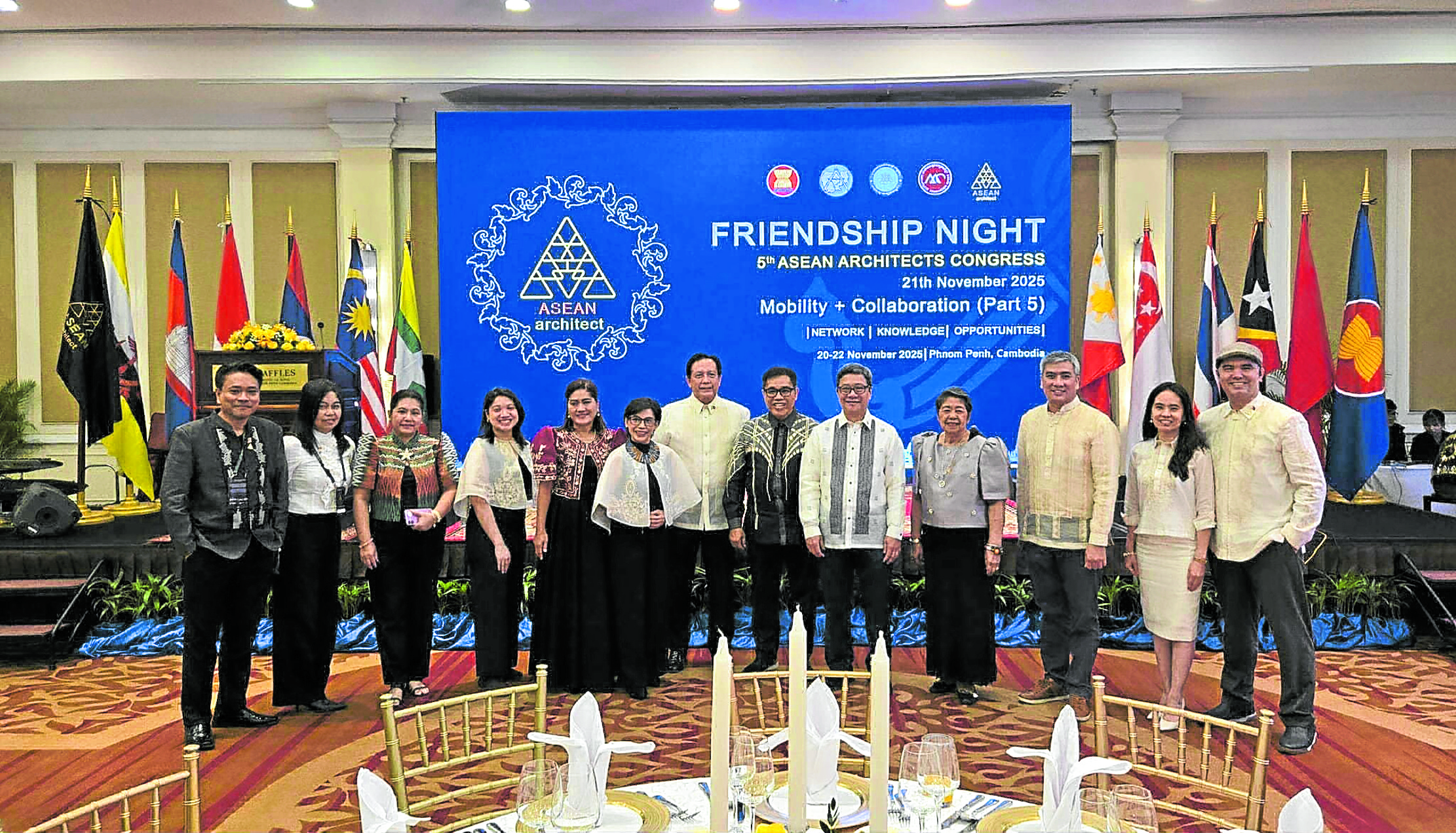
One of the key events of the year was the 5th Asean Architects Congress, held last week in Phnom Penh, Cambodia.
Organizers have formally announced that the Philippines will host the 6th Asean Architects Congress. This upcoming hosting underscores the country’s active role in strengthening Asean-wide collaboration in architecture and the built environment for regional professional mobility.
Profiles in professional excellence
Behind these credentials are real stories of Filipino talent shaping the built environment abroad.

One of the most prominent examples is Ar. Alvin Felipe, who built his career in Singapore, a global hub known for its high technical standards and demanding regulatory requirements.
Felipe is the first Filipino recognized as a Foreign Architect (RFA) in Singapore. His work spans commercial developments, multidisciplinary coordination, and complex interior systems. His experience demonstrates how Filipino architects can excel in environments where technical adaptability, precision, and technological integration are crucial.
Another key figure is Ar. Yolanda “Yolly” Reyes, former national president of the UAP. She was the first Filipino to gain recognition as both Asean Architect and Apec Architect. This milestone not only strengthened her own practice, but also paved the way for future applicants.
Filipino engineers, too, have been making their mark.
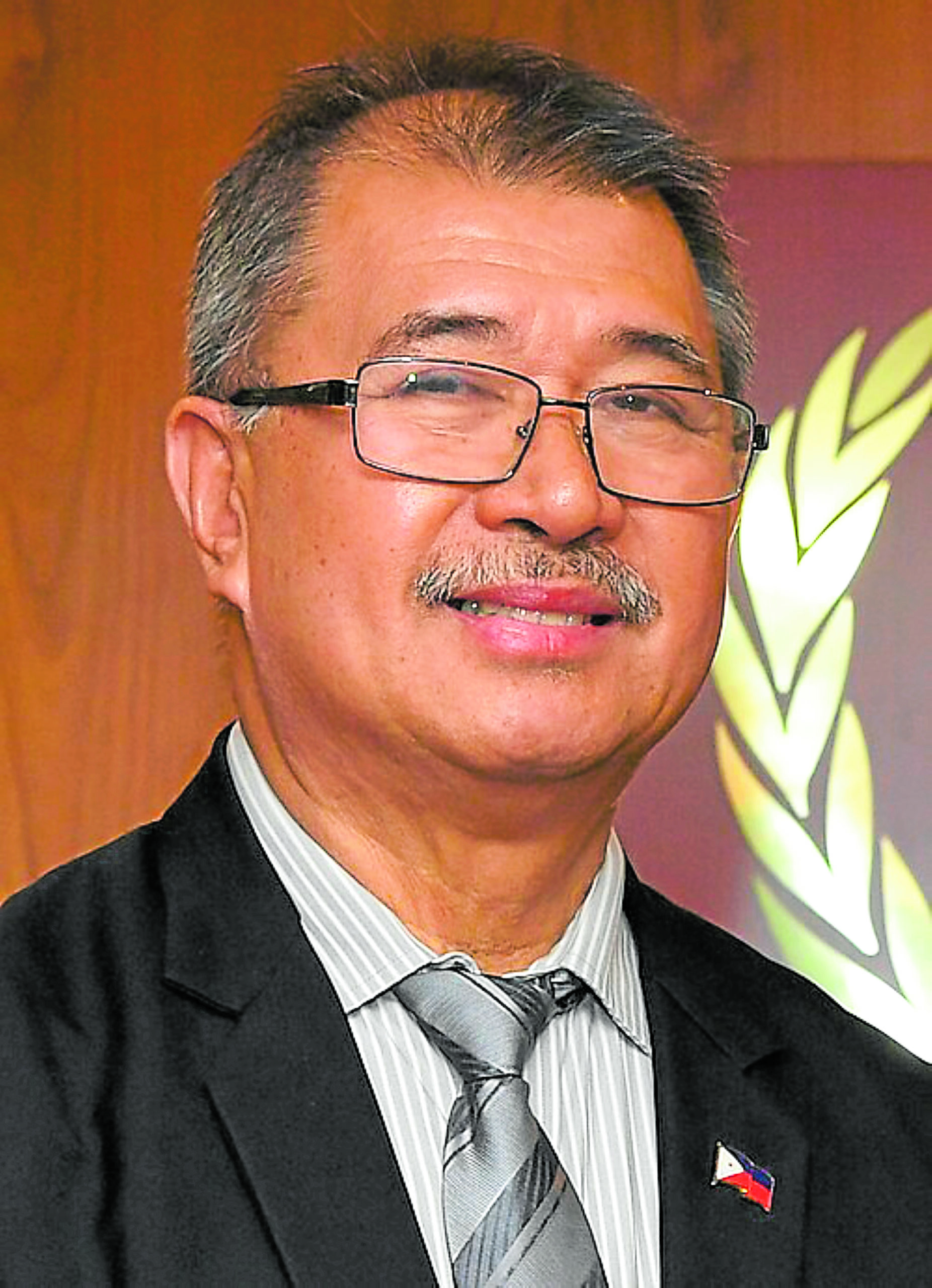
Engr. Fortunato Dela Peña, former Secretary of the Department of Science and Technology, is recognized across the region for strengthening research, innovation, and science-based capacity-building in engineering.

Meanwhile, Engr. Leandro Conti, an Asean Chartered Professional Engineer in Mechanical Engineering, is the current chair of the PRC Board of Mechanical Engineering and has been actively involved in strengthening Philippine participation in the Asean engineering framework.
Through his roles in professional regulation and regional coordination, he has helped advance the visibility and mobility of Filipino engineers within the Asean community.
A role in shaping the region’s future
Regional credentials, such as the Asean Engineering Registry, Asean Architect, and Apec Architect, go beyond individual prestige. They encourage stronger participation in large-scale regional projects, whether in climate-resilient housing, renewable energy infrastructure, urban regeneration, or sustainable real estate development.
The spirit of Republic Act 9266, the Architectural Code of the Philippines, and other laws governing engineering practice in the Philippines is further reinforced with these recognitions. It also boosts competitiveness in the local construction and development sector.
As sustainability benchmarks rise and cities demand smarter, more resilient developments, the Philippines will benefit from practitioners who understand both local context and international frameworks.
Behind each credential, however, lies a journey–mentorship, long hours of work, challenging project cycles, and a commitment to lifelong learning.
Filipino architects and engineers bring these experiences with them, along with the values that have long defined the profession in the Philippines: collaboration, creativity, empathy, and resilience.
As someone who has witnessed this process from within, I look forward to seeing more Filipino names appear in next year’s conferment ceremonies. Each new recognition is more than a personal milestone–it is a reinforcement of the Philippines’ place in a rapidly transforming region.
The built environment, shaped by Filipino professionals, becomes more than infrastructure. It becomes a bridge that links nations, cultures, and the shared aspirations of a region as it looks toward a sustainable future.
The author is a LEED fellow, UAP Notable Architect Awardee, and educator, with more than 25 years of experience in architectural and interior design, corporate real estate, construction, property, and facilities management