









Building maintenance: More than a routine

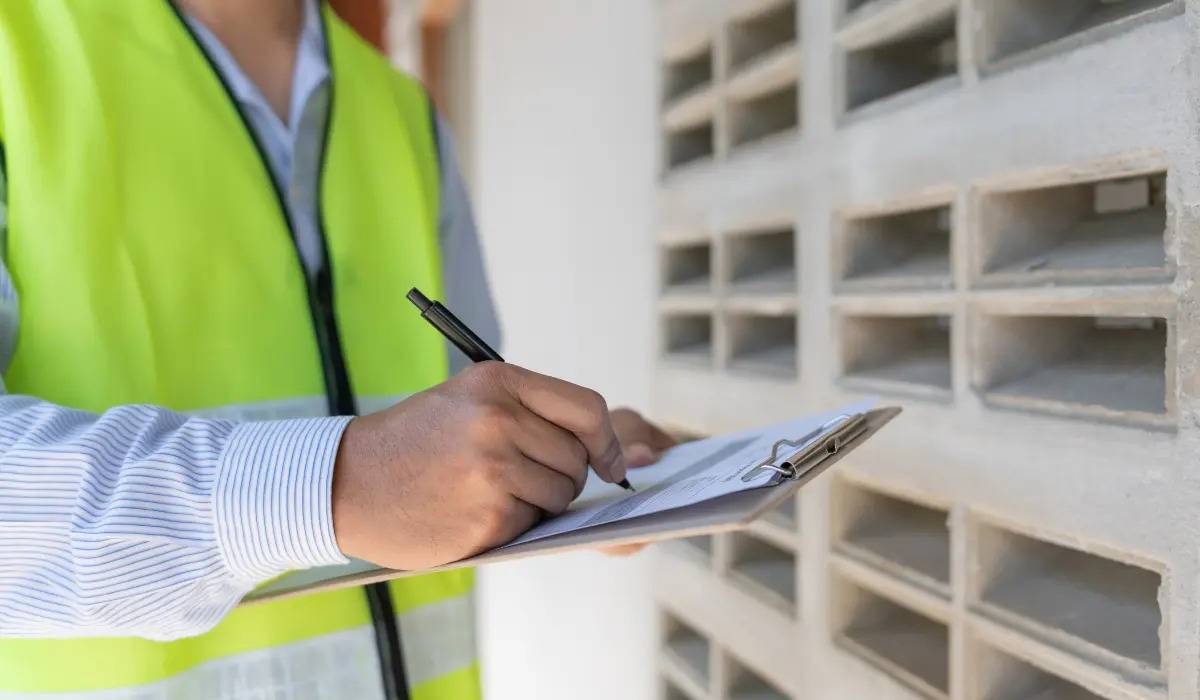
The success of a building is not measured solely by its impeccable design, fulfillment of its purpose, or its sturdy construction.
It also lies on how well it endures daily stressors and environmental hazards over time. Also critical is the attention to care and details, which help create lasting impressions—something that’s necessary in today’s society, where guest experience is key.

Existence and longevity
Once a structure begins its operations, maintenance plays a key role in its existence and longevity.
Building maintenance now steps in and takes charge of the physical upkeep of the property, covering cleaning, repairs, systems maintenance, and safety checks. These activities safeguard the comfort and safety of building occupants while upholding regulatory requirements.
Beyond compliance, building maintenance also ensures adherence to operational standards like maintaining optimal temperature levels for both human comfort (about 22 to 24 degrees Celsius) and equipment performance. This preserves building efficiency, safety, and value.
Spic and span
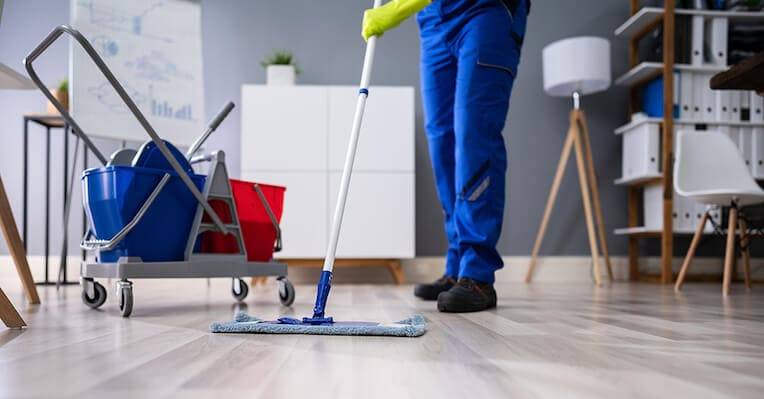
Basic to any building operation is cleanliness and orderliness.
Dust, dirt, rust, water spills, water marks, and garbage are all eyesores that demand urgent attention. If left to accumulate over a long period of time, these can detrimentally affect the quality of surfaces and finishes, especially metal surfaces and those prone to molds.
In addition, furniture and accessories placements should be intentional and not obstructive to pedestrian flow. Vacuuming, sweeping, and if applicable, polishing of floors and surfaces are scheduled tasks of building maintenance.
Without regular cleaning and maintenance of both interior and exterior, affected surfaces and components will incur higher expenses for cleaning, repair, or worse, replacement.
Beyond what’s visible
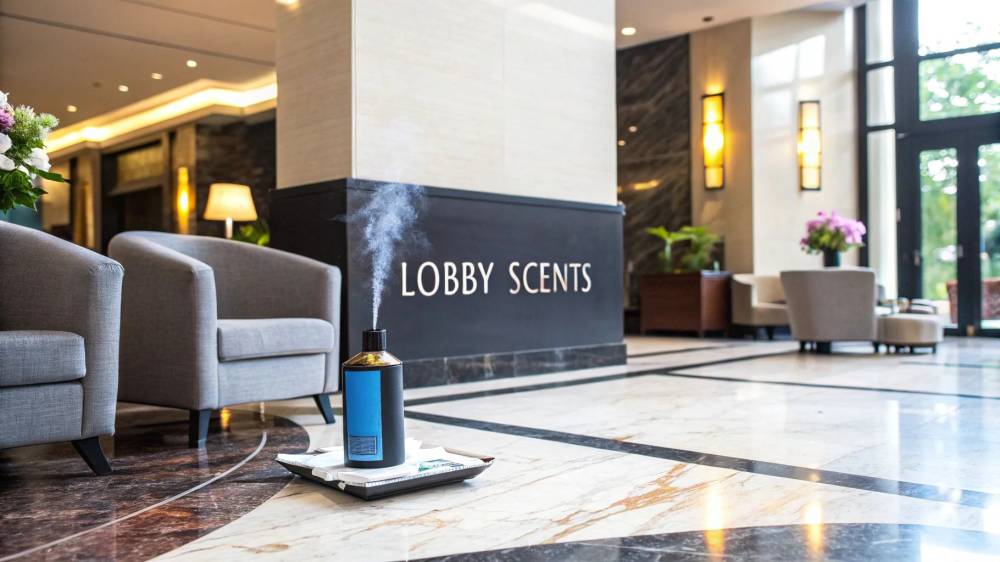
Ever noticed how certain buildings welcome you with a gentle scent the moment you step in?
Science says our brain’s olfactory system has a direct link to the limbic system, the region responsible for memory and emotion. Hence, hotel lobbies, malls, and retail establishments have their own signature scent or olfactory identity for better memory recall. In this case, building maintenance ensures a positive experience.
In terms of cleaning the air, devices such as air filters for trapping particles or air purifiers for overall improvement of air quality are commonly and routinely utilized, often as part of the mechanical system of the building.
From inside looking out
Windows offer visual connection to the outdoors and the view. But if obscured by dust and dirt, the experience falls flat.

This is especially vital for hotels and towering structures with glazing that can only be cleaned from outside. Window washing, in this case, can be done by a third party but within the overall schedule of the building maintenance and the property management office.
There are several window washing systems that are incorporated in the building design and construction (e.g. davit socket, permanent Building Maintenance Unit or BMU, monorail, etc.).
But in recent years, the use of rope access cleaning, or “spiderman style” wherein workers on ropes and harnesses are suspended as they clean the facade, has become increasingly common.
More than a routine
Building maintenance is more than a routine. The way we care for a structure, both inside and out, determines its “health” and ultimately its lifespan.
Maintenance is not just an upkeep; it is thoughtful stewardship that contributes to the building’s vitality and ensures its preservation for generations.
The author is a senior partner at PRSP Architects