






Building smarter, sustainable, future-ready Philippine cities

Digital technologies can reshape Philippine cities into future-ready spaces where communities, businesses, and nature can thrive together.
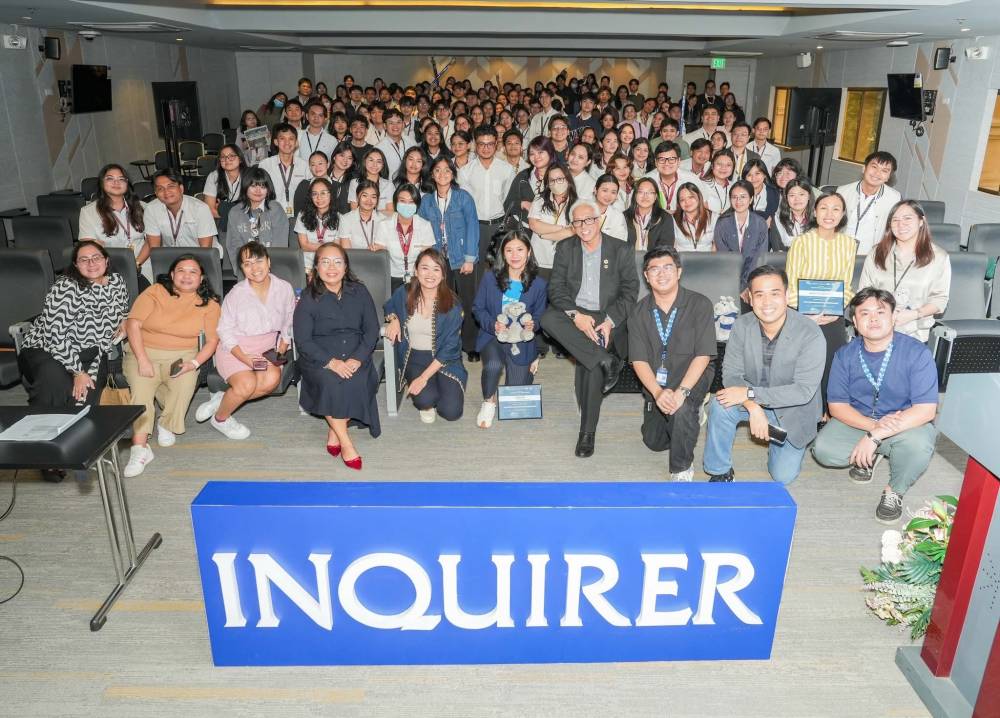
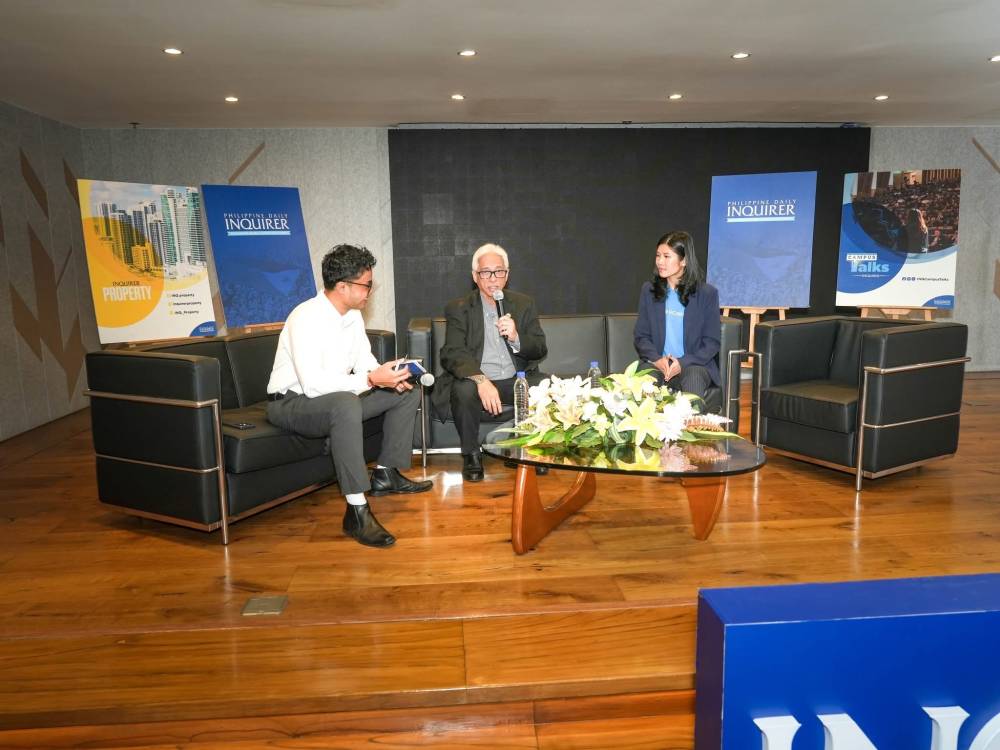
That discussion took center stage at the Inquirer Campus Talks forum entitled, “Future-Ready Cities: Advancing Urban Development through Sustainability,” held last month at the University of Santo Tomas.
Experts explored futures where citizens could monitor government spending from their laptops and pay for a tricycle ride using e-money, highlighting how these scenarios are taking shape here and now.
Corruption-free
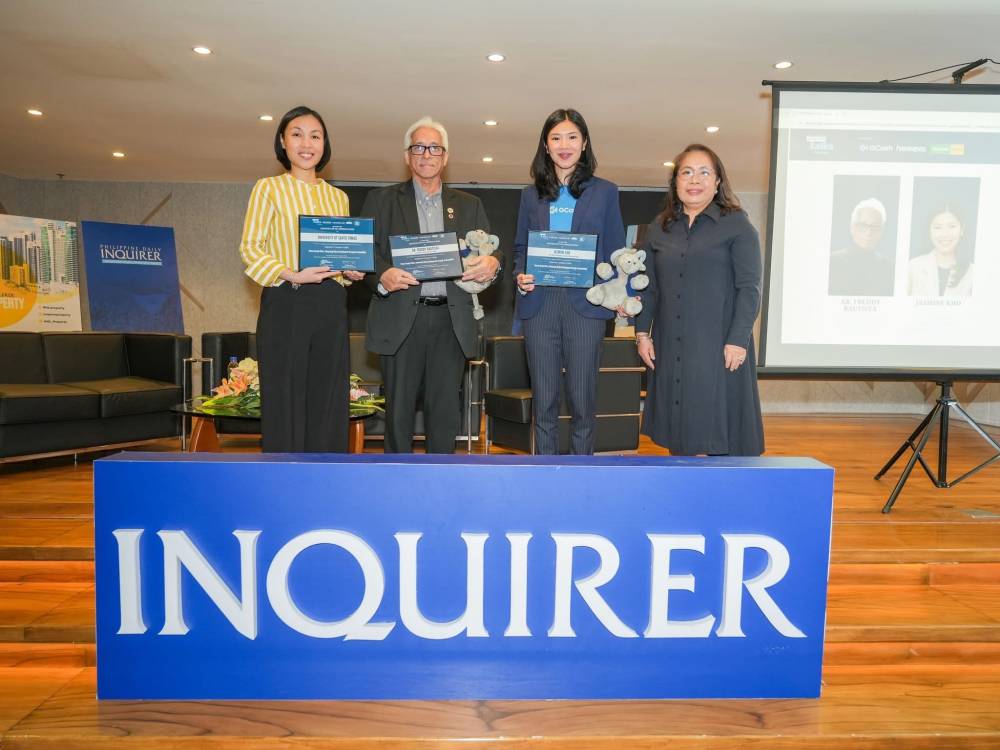
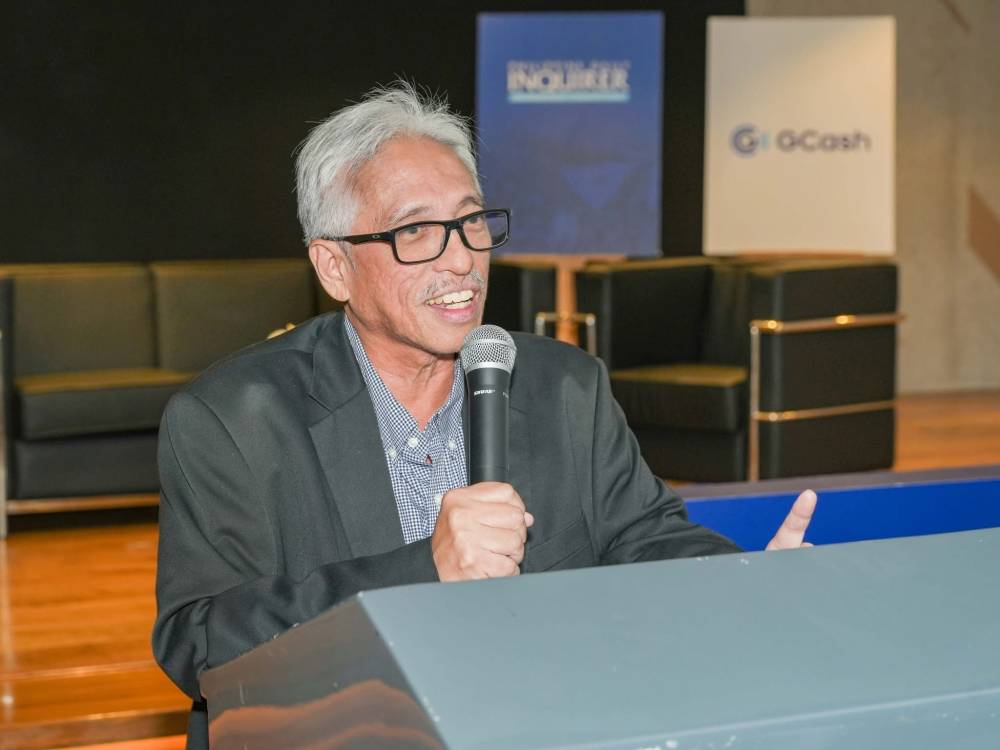
Architect and sustainability consultant Freddy Bautista emphasized blockchain technology’s potential to transform urban governance.
“It can be used to promote transparency, accountability, public oversight, efficiency and innovation,” he said. “It can be used for supply chain management, healthcare, voting systems, and some financial services.”
Blockchain works like a shared digital ledger, where records are transparent, tamper-proof, and independent of third-party intermediaries. In the Philippines, interest in the technology has grown following Senate Bill No. 1506, also known as the Cadena Bill, which seeks to establish a digital budget portal where citizens can monitor government transactions.
Bautista noted that similar technologies have enabled “crypto cities” like Dubai, Zurich and Singapore to streamline bureaucracy, reduce corruption, improve data security and deliver more innovative urban services—outcomes that could also benefit Philippine cities.
Speaking to the students in the audience, Bautista said, “As future architects, planners and leaders, your creativity and collaboration will be key to making these cities a reality.”
Convenient, inclusive
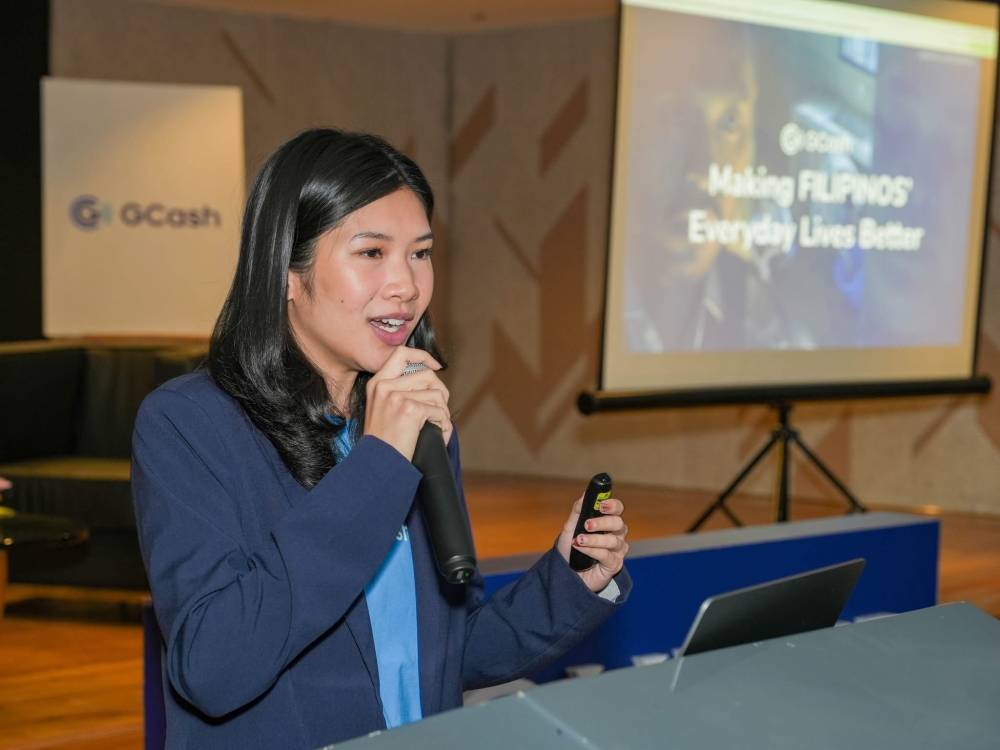
Jasmine Kho, assistant vice president for product innovations and transportation head for GCash, came up with a local example that now benefits upwards of 450,000 Filipinos: the MRT-3 automated fare collection system.
The initiative, in collaboration with the Department of Transportation, helps commuters pay for their fares using their GCash e-wallet.

“…[W]e spend so much time with daily transit, and it doesn’t have to be that way,” Kho said. “We can imagine a city wherein mobility and transit are a lot more accessible, a lot quicker, a lot more efficient.”
The MRT-3 project is part of GCash’s broader effort to change “one of the most cash-heavy, analog and fragmented sectors of the country,” and make it smarter, more convenient, inclusive and cost-efficient.
The e-wallet payment system is set to expand to LRT-1 and LRT-2 before year-end and will offer discounts for students, persons with disabilities and senior citizens.
Working for a vision
Kho admitted that change will take time, especially since it will entail breaking old habits and taking leaps of faith. She, however, emphasized that the social, environmental and economic benefits of this initiative were far-ranging.
“The vision here is to connect everything so that you should be able to use that one fare media wherever you want to go, whether that’s via bus, the railways, maybe someday the jeepney and the tricycles too,” Kho said.

From flood control to farm-to-market roads