










Cities designed for love

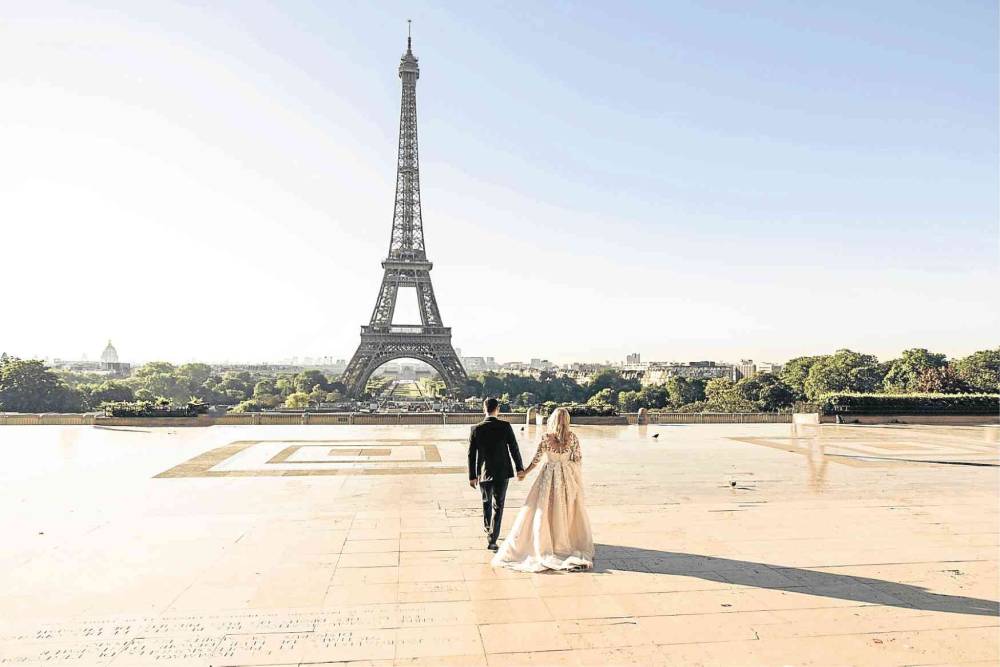
February casts a gentle filter over certain cities.
Paris, Venice, Prague, Seoul, Kyoto, and New York rise in conversations about getaways for couples, framed in films and travel photographs as backdrops for confessions, proposals, and quiet walks. Romance seems to cling to their streets because the urban fabric welcomes affection instead of pushing it aside.
February addresses
Romantic capitals share patterns that go beyond reputation.
Streets stay walkable and richly framed with facades, trees, and lighting that keep attention at human height.
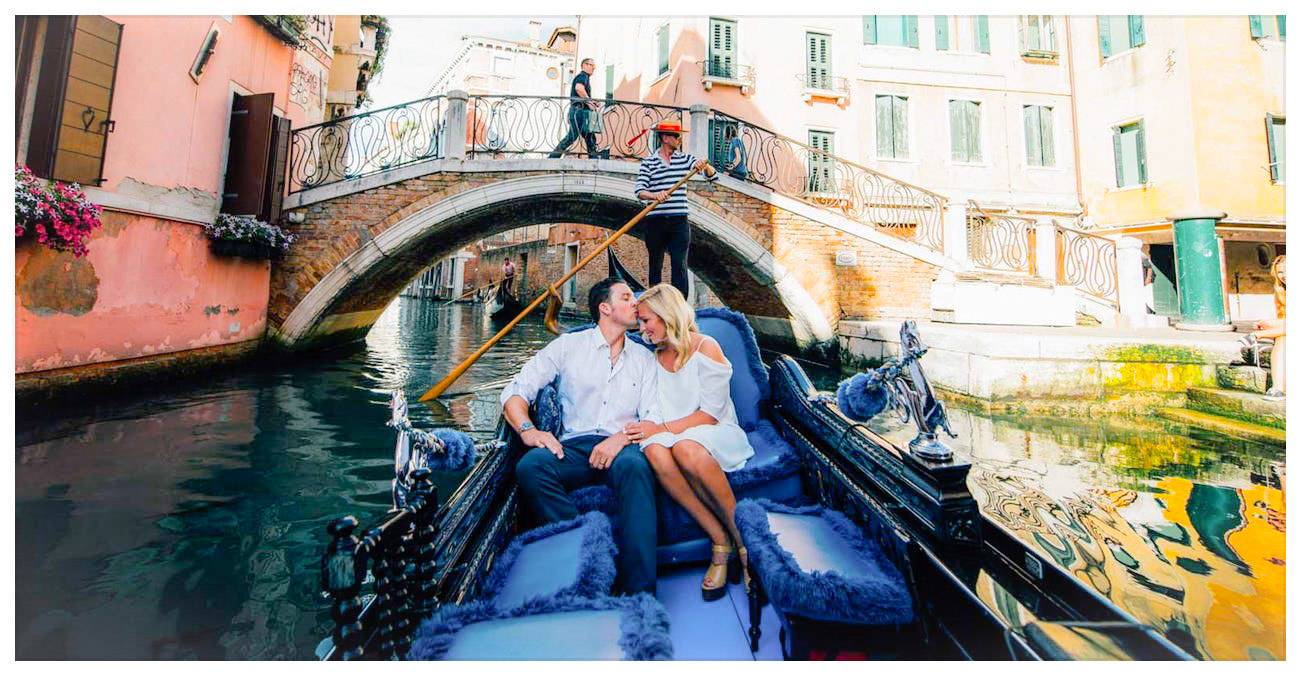
In Paris, generous sidewalks, corner cafes, and riverside paths along the Seine invite people to stroll rather than rush. Venice replaces traffic with canals and bridges that act as natural viewing decks where visitors gather at sunset.
The emotional effect begins with comfort. Couples feel at ease when sidewalks remain continuous, crossings feel safe, and public seating appears in the right moments.
Heritage districts in Prague or Kyoto provide texture and memory through stone squares, wooden fronts, and narrow lanes that hint at older rhythms of daily life. These settings turn simple acts, such as sharing a bench or stopping for coffee, into scenes worth remembering.
Design that feels intimate
Architecture and landscape work together as quiet partners in love stories.
Balconies, arcades, and low walls blur the boundary between private interiors and public streets, giving couples edges to lean on, thresholds to pause under, and corners that feel partly sheltered. City trees, small gardens, and river edges soften the background of
concrete and glass, so that photographs capture layers rather than empty expanses.
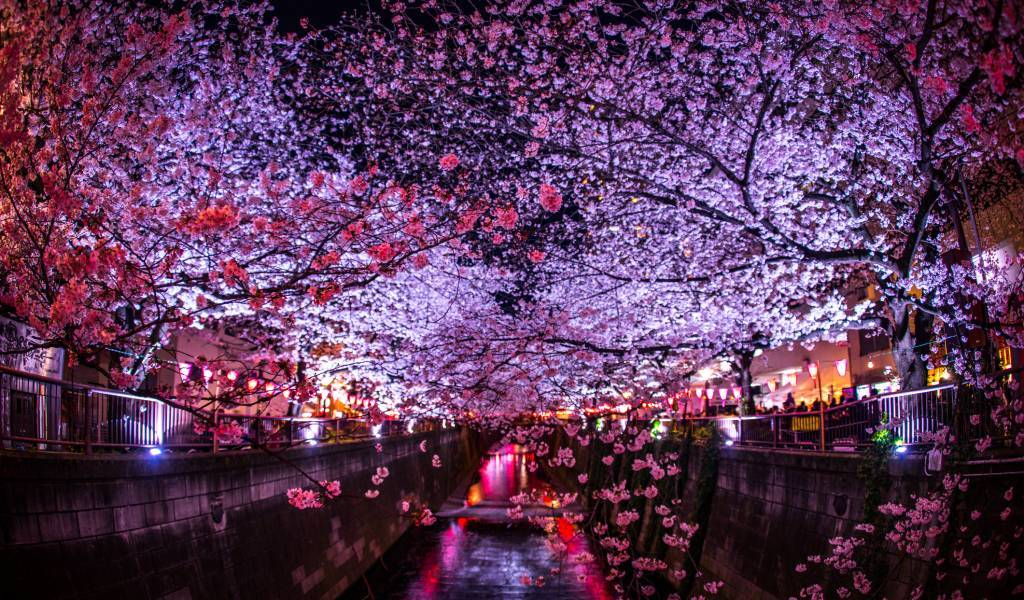
Light completes the composition. The Eiffel Tower shimmering after dark, bridges over the Vltava River in Prague, cherry blossom evenings along Tokyo waterways, and reflections on Victoria Harbour in Hong Kong show how warm color, controlled brightness, and reflections on water can transform ordinary infrastructure into a theater for evening strolls.
Similar principles guide rooftop restaurants, waterfront promenades, and hillside lookouts in many cities that pitch themselves as Valentine getaway destinations.
Movement patterns support this mood. Promenades in Barcelona or cycle paths in Amsterdam keep people close enough for conversation while still feeling safe. Ferries in Istanbul, subway exits in New York, and transit-linked plazas in Seoul turn daily travel into a sequence of small stages.
The journey to a date often passes through streets designed for eye contact, chance encounters, and short detours.
Philippine scenes of affection
Local cities already show how design can nurture romance in a tropical setting.
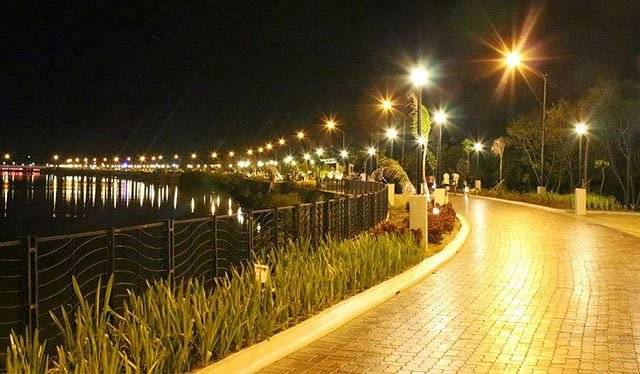
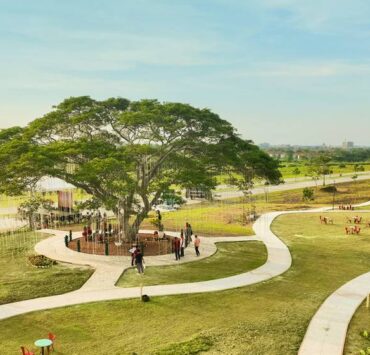
The Iloilo River Esplanade in Iloilo City creates a long, shaded riverside walk that serves joggers at sunrise and couples in the evening, proving that careful planting, paving, and continuous paths can give residents an outdoor living room beside the water.

Along Manila Bay, sunsets observed from bayside promenades still anchor many Valentine traditions.
Baguio offers cooler air and walkable streets around Session Road, where cafes, bookstores, and music spots cluster within a comfortable distance of one another.
Bonifacio Global City in Taguig arranges parks, sculptures, and restaurant-lined streets into a fabric that attracts people after office hours.
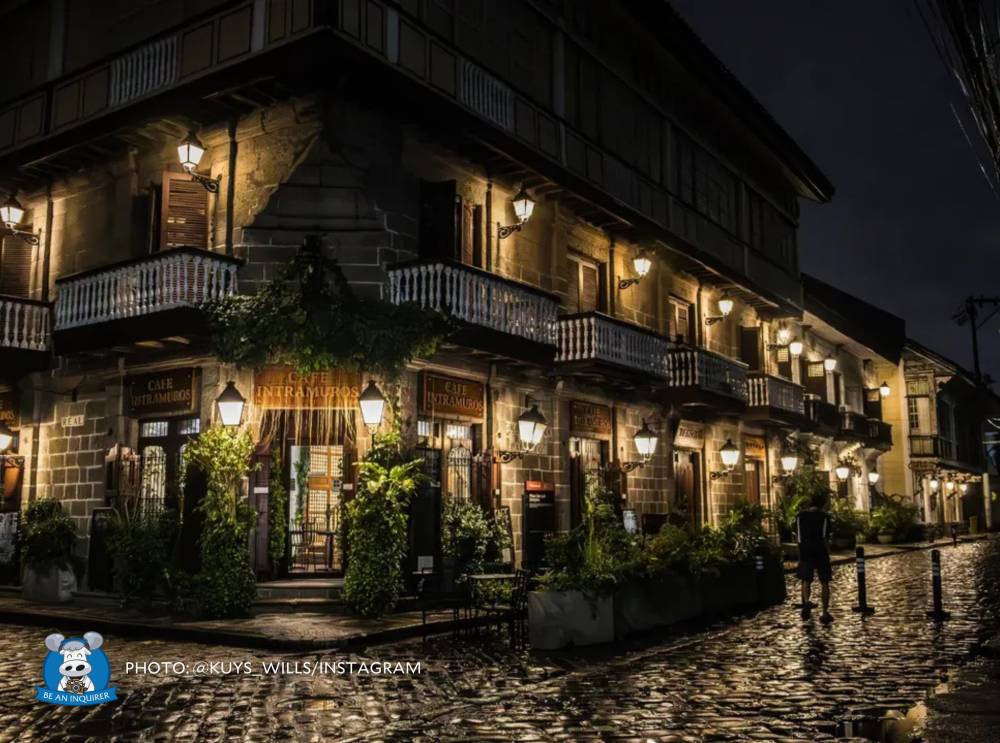
Intramuros at night, with lit walls and quieter lanes, reveals how heritage districts can feel both civic and intimate when lighting, signage, and paving respect their character.
Each success story carries the same message. Romance grows when people can arrive safely on foot or by bicycle, find a comfortable place to sit, and enjoy a view that feels cared for. Planting, shade, textures underfoot, and thoughtfully scaled buildings turn a generic street into a scene that couples happily return to.
Love as a civic asset
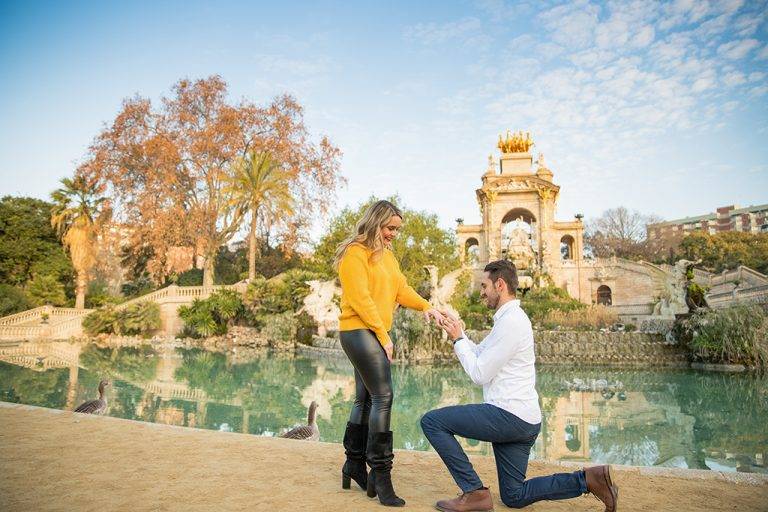
Cities designed for love treat affection as a public value rather than a private luxury.
When planners and architects compose streets that welcome walking, design riverfronts as continuous parks, and protect historic districts as living backdrops, they invest in relationships along with infrastructure.
The reward appears during February, when flowers sell out, and restaurants fill, yet it continues quietly in ordinary evenings, anniversaries, and chance meetings that residents will remember for years.