









Coming home for Christmas


As Christmas lights begin to sparkle across Philippine households, millions of Filipinos working abroad ready their hearts for their annual homecoming.
But what if this year, “homecoming” could mean not just returning to a rented room or a parental house, but actually stepping into a home you own–one built by your own sacrifices and foresight?
For overseas Filipino workers (OFWs), this dream is not out of reach. In fact, recent data showed that it has become more attainable than ever–provided that remittances are managed wisely, saved intentionally, and invested with purpose.
Remittances: A bulwark of financial muscle
According to the Bangko Sentral ng Pilipinas (BSP), personal remittances from OFWs reached a record $38.34 billion in 2024. Of this amount, bank-coursed cash remittances–the kind most useful for financing something as big as a home–rose to $34.49 billion.
These amounts are not just economic statistics: they are the collective financial leverage of OFW families. When channeled correctly, these represent opportunities to secure a roof and build long-term stability.
However, many of those remittances still end up as consumption. Despite the abundance, these funds, especially when sent around Christmas, still end up spent on household needs: food, school fees, urgent expenses. Only a smaller fraction is directed toward house purchase or savings/investments.
That is understandable. Holidays, family gatherings, and needs back home are real. But for OFWs whose dream is homeownership, this pattern highlights a critical barrier. Without allocation and discipline, remittances remain fleeting comforts rather than lasting assets.
Turning remittances into a home
Here is a high level yet practical four-step roadmap for OFWs who truly want to transform remittances into homeownership.
1 Treat remittances as diversified income
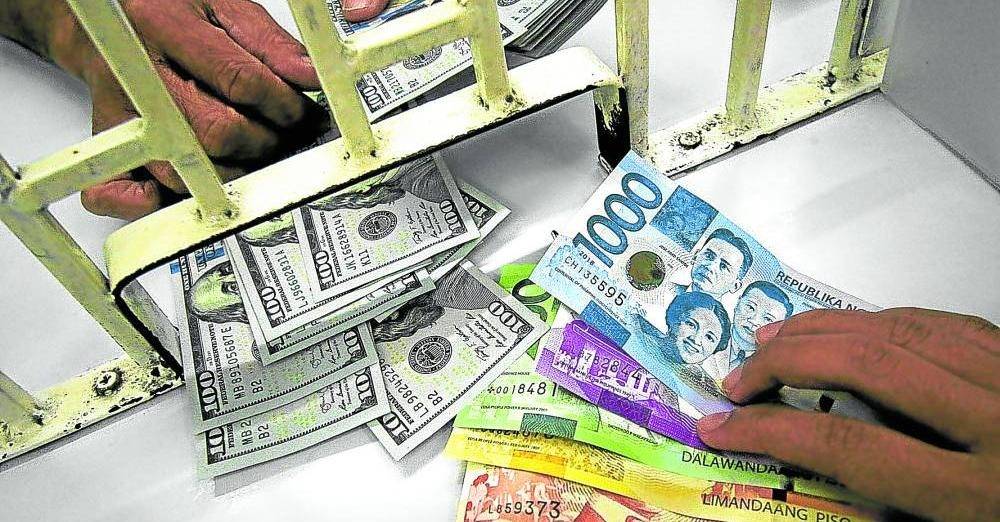
Allocate, don’t just remit. Rather than send everything home for expenses, set up purpose-buckets: living needs, emergency fund, education, and a “home fund.”
For example: essentials, 25 percent; children’s education, 10 to 15 percent; savings and/or emergency, 20 percent; home fund, 30 to 40 percent. This disciplined allocation converts remittance inflows into a sustained savings engine, and creates a vision board for the family.
2 Park your “home fund” in the right vehicles
Cash at home or in low-yield accounts will lose value over time because of inflation.
Instead, use high interest savings accounts, time deposits, or short-term conservative investment vehicles for your home fund. These preserve capital and may earn real returns–a small but meaningful hedge against inflation and peso depreciation.
You may be able to lock in good rates for medium- to long-term time deposits from PSBank or Metrobank, or park your home fund in stable money market funds from the biggest fund houses in the Philippines through FirstMetroSec’s FundsMart.
3 Use formal housing channels
Leverage home-loan programs smartly.
Getting a house often requires more than a lump-sum downpayment. That’s where formal financing comes into the picture: through government-linked entities (e.g., Pag-IBIG Fund) or bank and developer financing.
With stable documented remittances and banking history, many OFWs can satisfy loan requirements and take advantage of favorable payment schemes and affordable interest rates.
4 Think in stages
Start modest, then upgrade over time.
If buying in prime urban centers seems too expensive, it’s often wiser to begin with modest, affordable homes in growth corridors or provinces.
After occupancy, with remittances continuing plus potential rental income or future savings, the family may upgrade or invest in additional properties. Such staged homeownership is a strategy many OFW families already follow, converting remittances into real assets over time.

Christmas as a financial anchor
The holiday season often means heightened remittance activity. That surge presents a unique opportunity to make a concrete push toward homeownership.
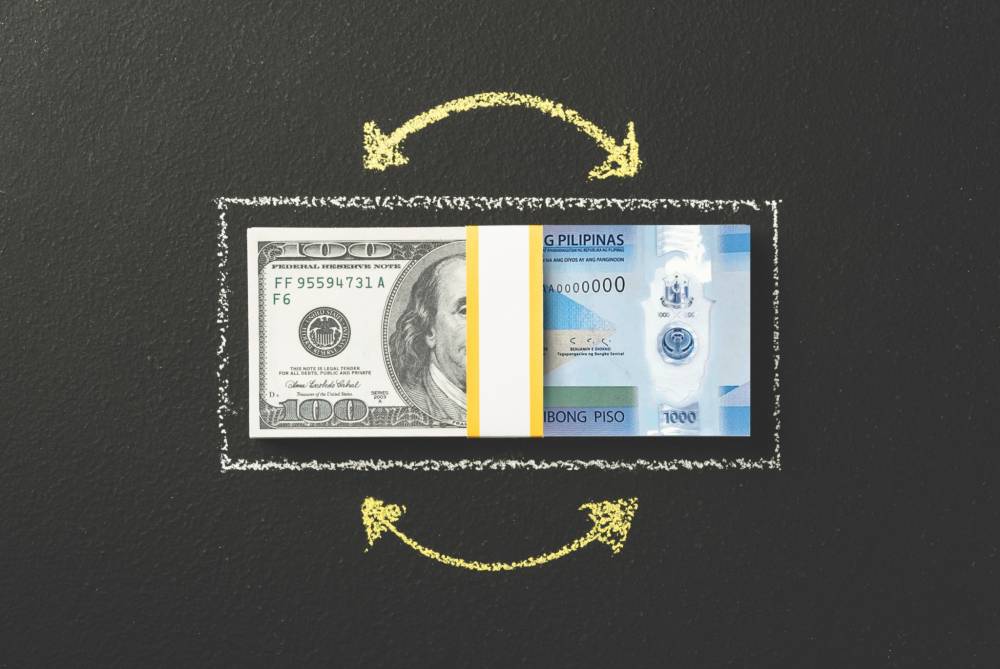
Instead of only sending extra for consumption or gifts, treat Christmas remittance as “home fund acceleration.” This strategic shift can change everything.
Moreover, formalizing and documenting these remittances (bank slips and savings history) can improve eligibility for home loan applications. Banks and financing institutions view consistent documented remittances as proof of income reliability and financial responsibility.
Risks can be manageable
True, there are risks: currency fluctuations, price inflation, economic uncertainty, delays in documentation, and changing family needs.
Reliance on consumption means remittances may deplete quickly, and savings can erode with inflation. Housing market dynamics also shift: demand, location, infrastructure, and pricing all affect affordability and resale value.
But these risks are manageable. By keeping an emergency buffer, diversifying savings, using conservative investment vehicles, and sticking to a long-term plan, OFWs can protect themselves. The key is to treat remittance not as a windfall, but as the seed capital for an asset that outlasts seasons.

Christmas homecoming
Owning a home indeed makes your homecoming sweeter and more dignified. It turns sacrifice into legacy; distance into foundation; and remittance into real property ownership.
This Christmas, ask yourself: Is this remittance just a gift for now or the first installment on a lifetime of “coming home” to your own door? If you want practical tools, institutional partners, or a simple savings-and-investment roadmap, there are a number of reliable sources and financial entities ready to help. But the first step lies with you–in turning intention into action.
This holiday, may your heart not only travel home but finally rest in a house that is truly yours.