






Communities that encourage movement


During a recent sustainability roundtable discussion in class, my students’ observations stayed with me long after the session ended.
Beyond the usual talk about solar panels and green technologies, they spoke about spending less time in traffic, doing daily errands on foot, and how access to parks and sports facilities influenced where their families spent weekends.
Their thoughts were simple, yet they pointed to something larger.
While sustainability is often associated with environmental performance, these young people were describing a better quality of life. They were talking about time, convenience, health, and the ability to move through their communities with ease.
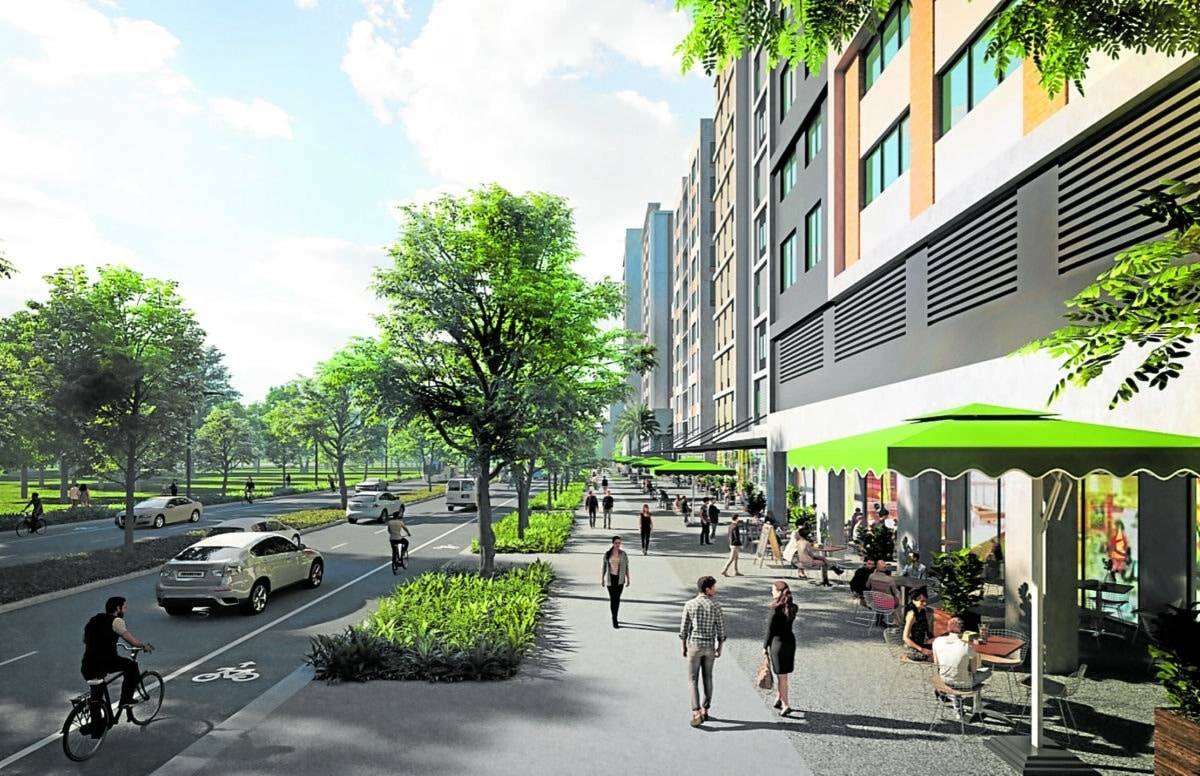
Active, healthy living
As educators, we often remind students that they are the future architects, engineers, planners and decision-makers who will shape our built environment. Just as importantly, they are future homeowners, workers and end-users.
Listening to their discussion offered a glimpse into what the next generation may value in the communities they choose to live in.
Our class focused on Active Score, a planning framework that evaluates how well a neighborhood supports active and healthy living.
Unlike traditional property metrics that focus on buildings, Active Score looks at the environment around them. Walkability, access to parks, cycling infrastructure, street connectivity, public transport, and proximity to daily destinations all contribute to the score.
The Active Score framework asks a simple question: Does the environment encourage people to move? The answer matters more than many would realize.
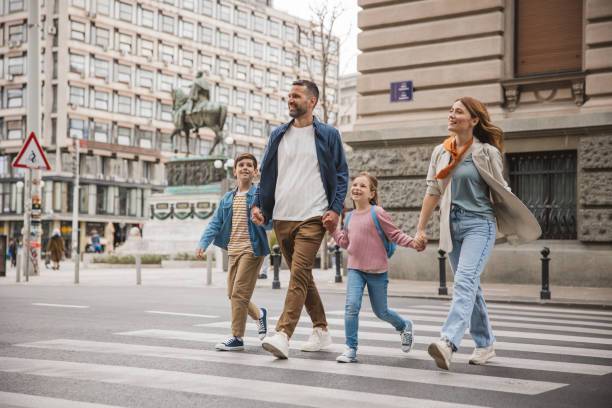
Community design
For decades, urban development has prioritized vehicle movement. This made our roads wider, destinations farther apart, and communities increasingly organized around driving.
While this supported growth, it also contributed to longer commutes and fewer opportunities for daily physical activity.
There is now growing recognition that community design influences health and well-being. A short walk to the grocery, a bicycle ride to the park, or an evening jog along a shaded pathway may seem insignificant. But when these experiences become part of everyday life, they help encourage healthier habits, stronger social connections and a greater sense of belonging.
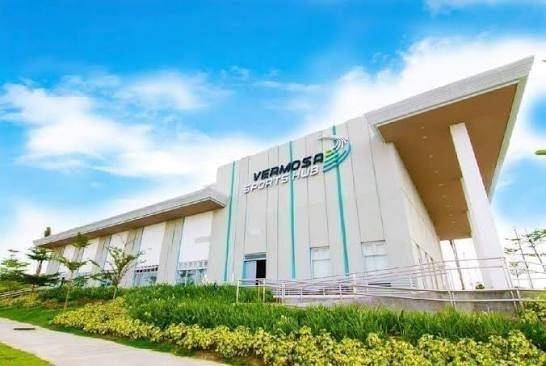
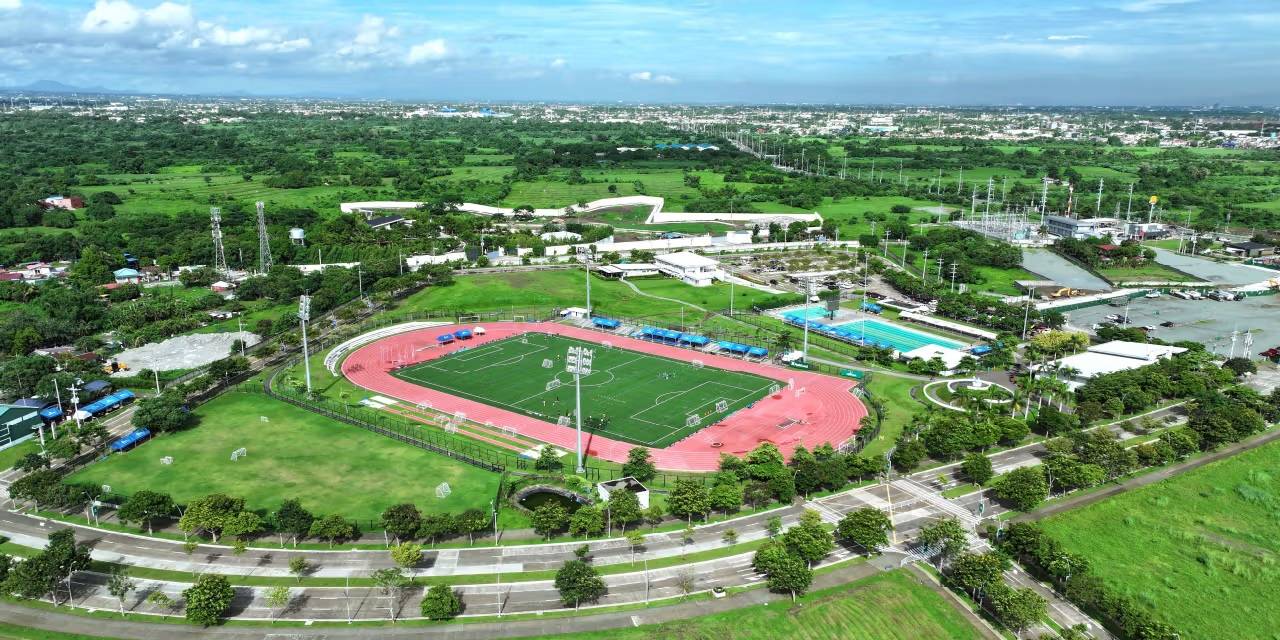
This shift is evident in large-scale developments south of Metro Manila, where recreation facilities are not treated as afterthoughts but as organizing elements of the estate plan. Residential districts, schools, commercial areas, open spaces and athletic facilities are intentionally woven together to encourage movement throughout the day.

Sustainability and wellness
This is where sustainability and wellness intersect.
Truly sustainable communities must also support the people who live in them. A neighborhood that reduces travel stress, provides access to green spaces, encourages physical activity and creates opportunities for social interaction delivers benefits that extend environmental performance.
The younger generation seems focused on experience. They want shorter commutes, healthier lifestyles, safer streets and more opportunities to spend time outdoors. They value convenience as it gives them more time for family, friends, learning and personal interests.
Perhaps this reflects a broader shift in expectations. The communities that remain relevant in the decades ahead may not be those with the tallest buildings or the largest clubhouses, but those that make healthy choices easier, encourage human interaction and create environments where people can thrive.
If the conversations in today’s classrooms are any indication, active living is no longer simply a desirable feature. For many in the next generation, it is becoming an expectation.
The author is a LEED Fellow, ASEAN Architect, UAP Fellow, and educator with over 25 years of professional practice in architecture and sustainability


