







Design that builds trust

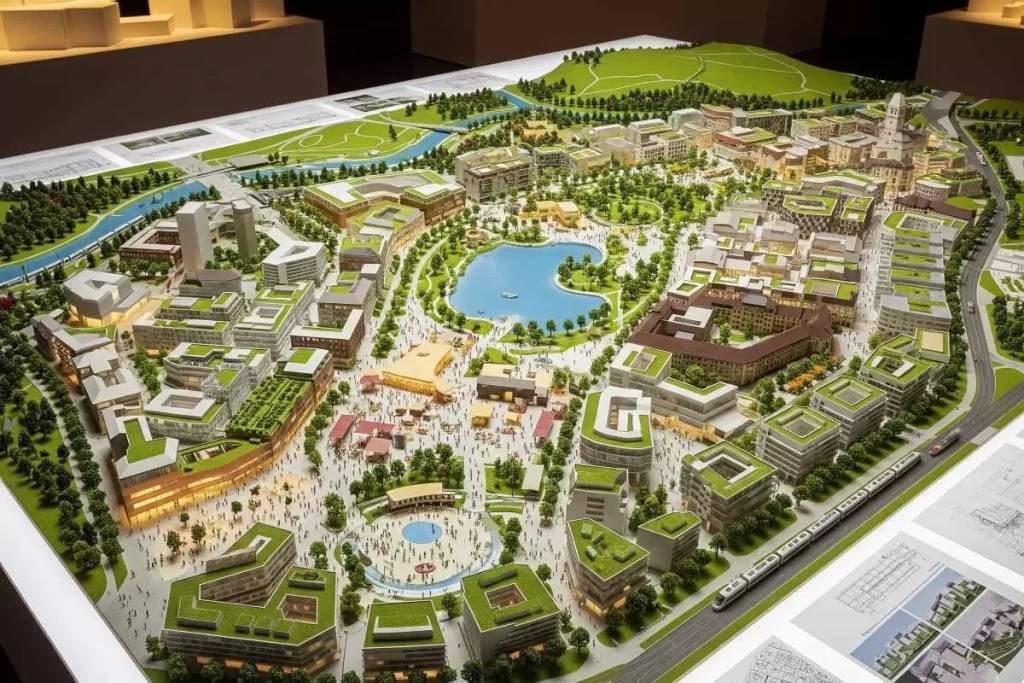
Mindful building is an attitude toward every decision in a project.
Each choice responds to climate, orientation, user behavior, regulation, and long-term maintenance. The architect and the team pay attention to sun paths, prevailing winds, surrounding traffic, nearby structures, and the area’s future growth.
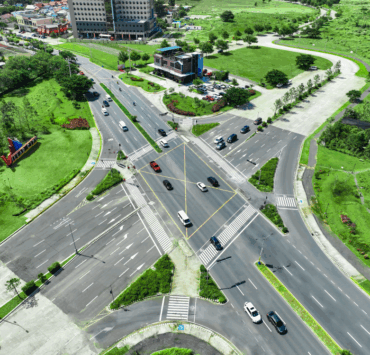
In Philippine cities, a well-designed envelope shields interiors from intense sunlight while allowing daylight to enter. Site planning accounts for flooding risks and channels water away from entrances and parking zones. Circulation design considers jeepney routes, ride-hailing drop-off points, and pedestrian pathways.
Design as capital for developers
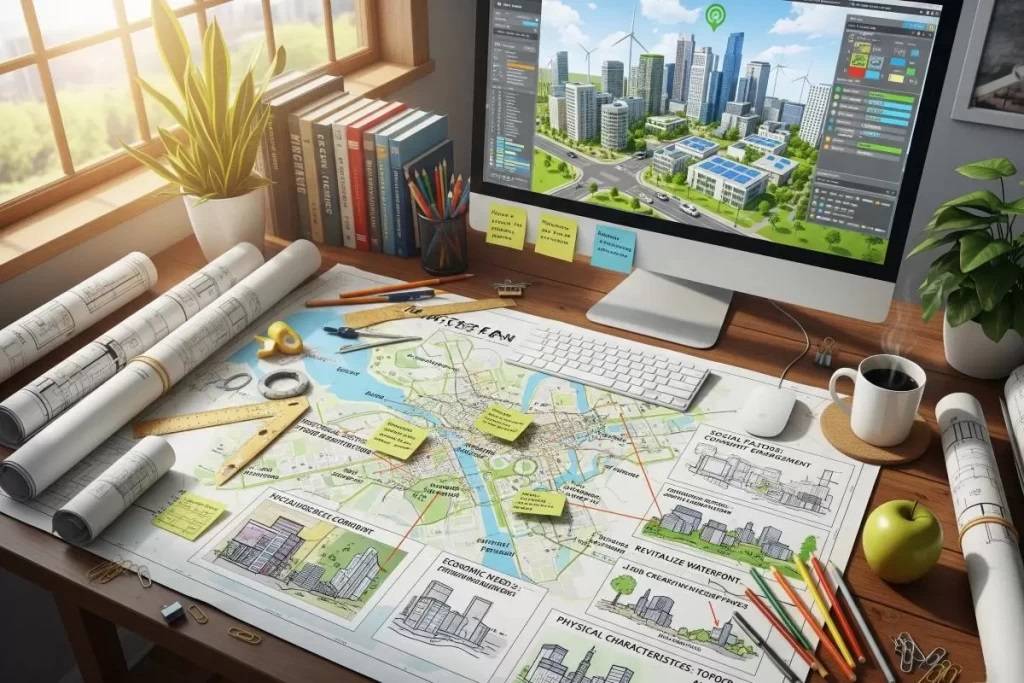
For property developers, disciplined design shapes the business case.
Efficient planning creates a spacious feeling and supports a realistic unit mix and pricing. Facades, lobbies, and amenities express character through space.
Early design decisions also influence lifetime operating costs. Window orientation, shading, insulation, and mechanical systems affect energy use for decades, which, in turn, influences association dues and values.
When the design anticipates maintenance, cleaning, and equipment replacement, property management teams work with ease, and residents experience fewer disruptions.
Architecture that builders can execute
Builders deliver their best work when drawings and specifications achieve clarity.
A mature design package includes coordinated architectural, structural, and building services plans that align with the site’s realities. Clear sections, details, and schedules reduce guesswork for trades and encourage safe, orderly site operations.
Organized coordination before groundbreaking ensures efficient sequencing, with structural elements designed to respect space for pipes, ducts, and cables. Ceiling heights and bulkheads follow a logical pattern, not reacting to conflicts inside the cast slab.
Processes that sustain quality
Design and planning processes ensure a project’s long-term health.
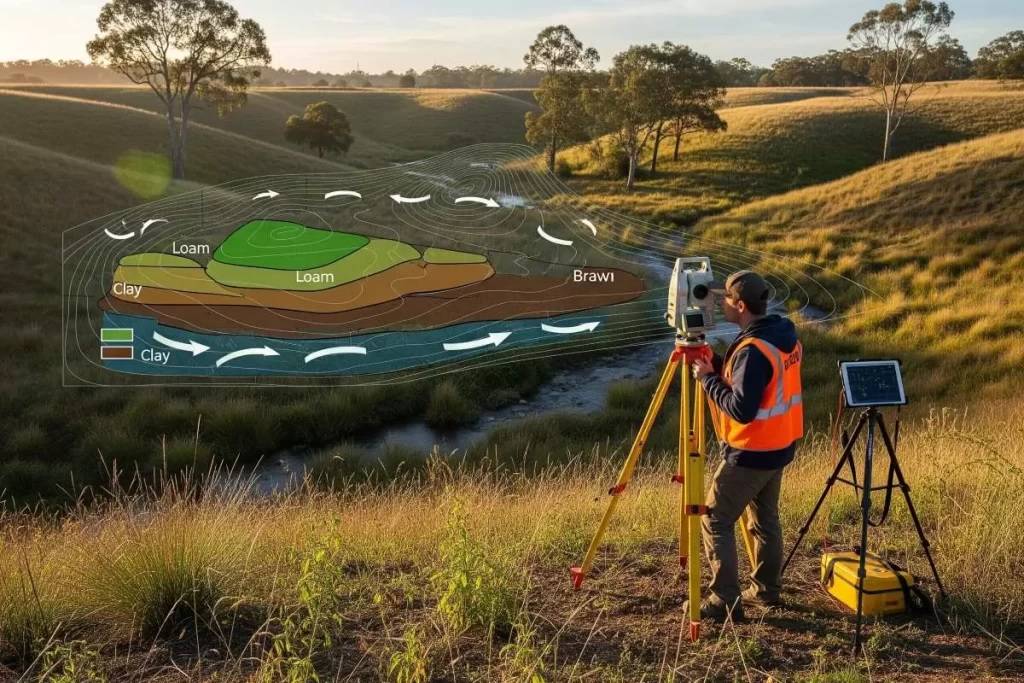
Site analysis and feasibility studies review zoning, easements, soil, views, and neighboring uses. Environmental and climatic studies help determine breezes, glare, and overlooks, guiding initial massing and circulation choices. User and market profiling follows, as each development type, like residential, hospitality, workplace, or mixed, has unique circulation patterns.
The design team, through research and experience, understands future occupants. Concept and schematic planning shape accessible movement and balanced spaces.
Design development refines this framework, aligning structural grids, columns, and beams with room and window layouts. MEP and fire systems are integrated into the architecture, with technical documentation supporting pricing, scheduling, and safety.
Light and airy
From the entry door, the journey toward the living areas, dining zone, bedrooms, and service areas should feel natural. Paths of movement remain direct, and important destinations receive clear sight lines.
Units and homes that invite daylight from at least two sides feel generous, and cross ventilation encourages comfort even during warm months. Buyers gain insight when they review the unit’s actual orientation within the building or subdivision rather than relying solely on perspective images.
Understanding life in a space
Proportion and storage reveal the designer’s understanding of daily life.
Ceiling height affects openness and supports lighting, cabinetry, and air conditioning. Bedrooms with full furniture and integrated storage accommodate changing families. A well-designed kitchen includes modern appliances, grocery delivery, and waste management.
Transitions between public and private areas benefit from subtle buffers such as short hallways, foyers, or wardrobe zones. Bathroom and bedroom doors align to preserve dignity and comfort.
During viewings, buyers can listen to noise between rooms and observe how walls, doors, and corridors help maintain concentration, rest, and privacy for personal conversations.
Shared responsibility for better cities
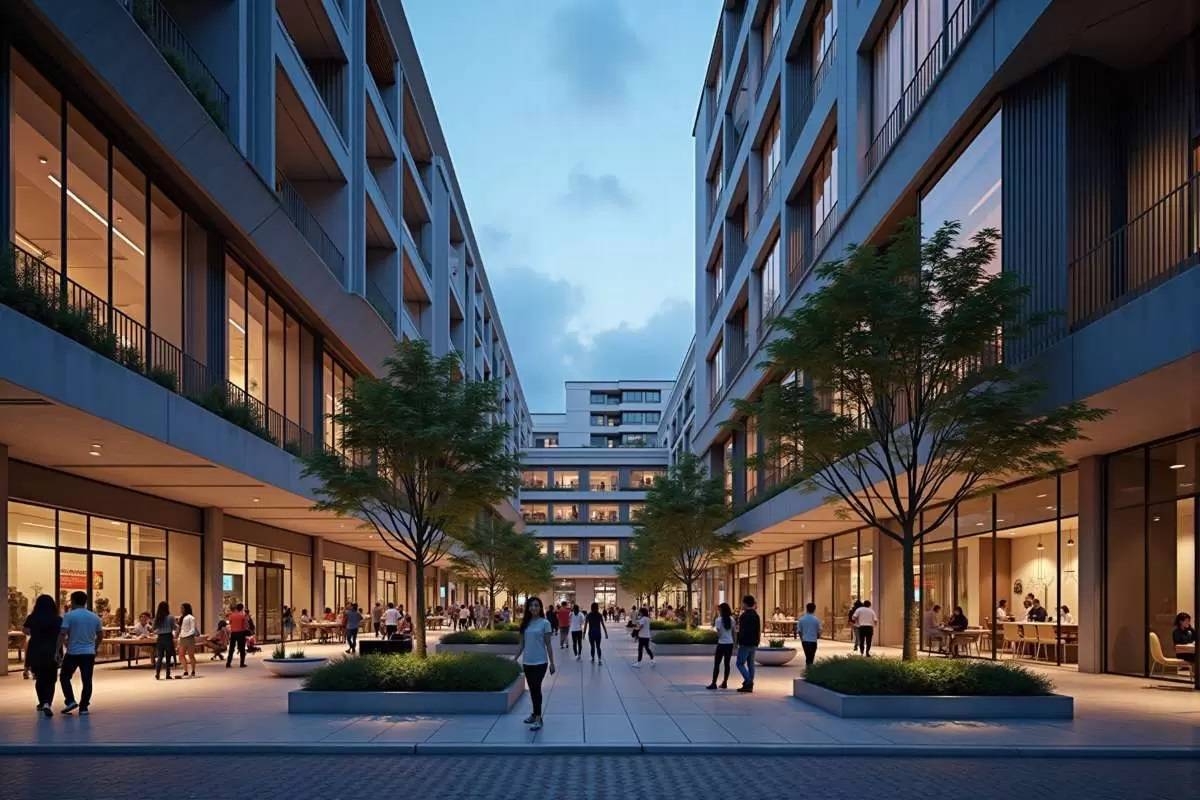
As Philippine projects develop from shared mindfulness, cities have buildings that reliably serve generations. Streets are safer, homes stay comfortable in bad weather, and workplaces foster focus and teamwork.
Each well-designed structure silently supports daily life, shaping a future of growing trust from the first sketch.